Fishing Guides · Delaware
Fishing Guides in Delaware
Cast 10 guides across Delaware. Maps, hours, contact info, photos, and verified operator profiles, all in one place.
Atlantic beaches, Delaware Bay, and salt-marsh estuaries.
About Delaware
Best time to go
When to fish in Delaware
May through October.
- March–May: the spring spawn is prime time for big bass
- October–November: a strong fall feed-up
- Summer: fish dawn, dusk, and deeper water in the heat
10 on the map
Tap a pin to open its profile.
Quick facts
- Fishing spots mapped
- 223
- Rivers mapped
- 36
- Guides listed
- 10
- Best season
- May through October
All listings
10 guides
across Delaware
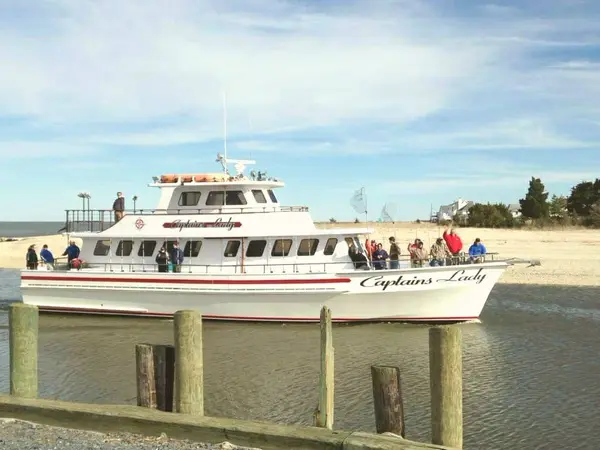
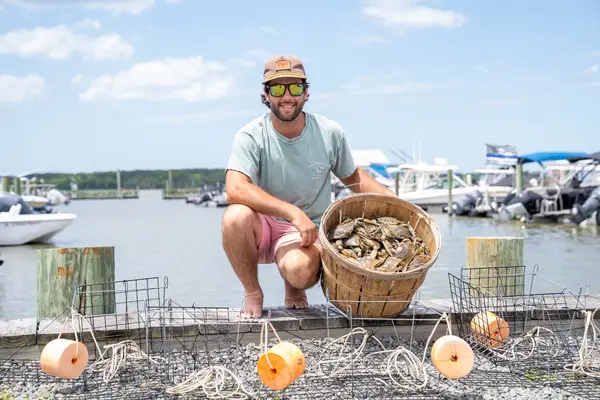
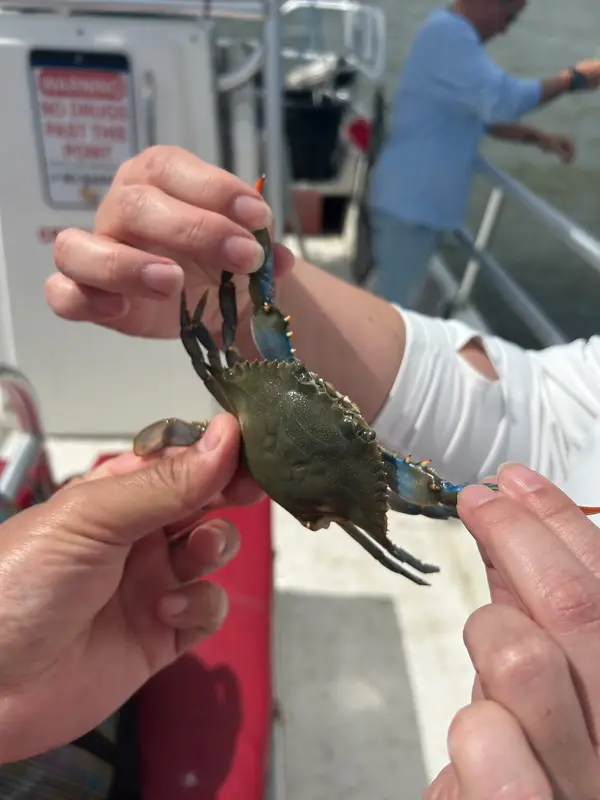
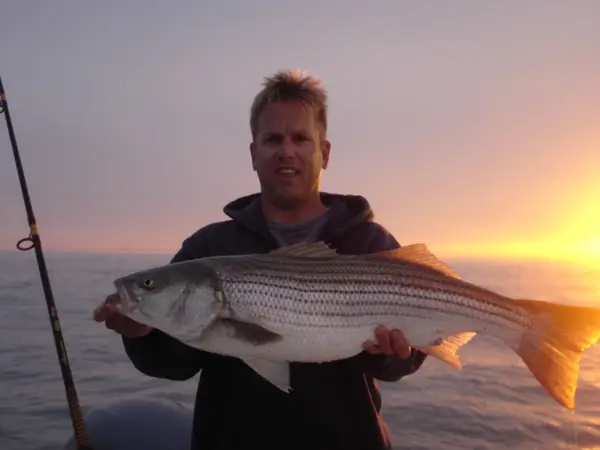
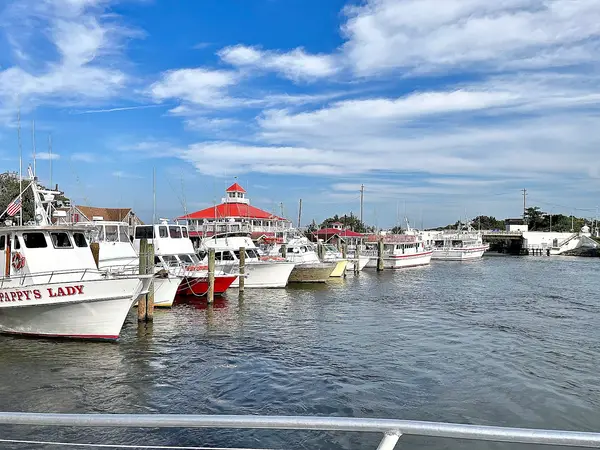
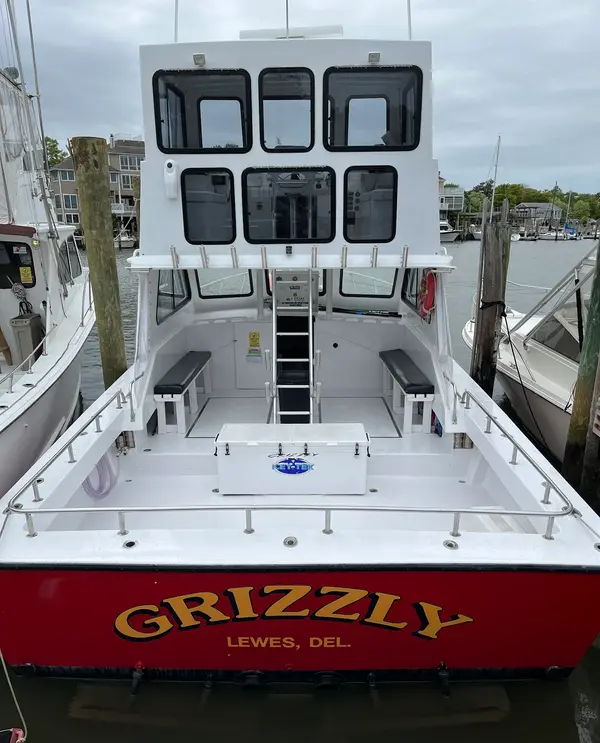
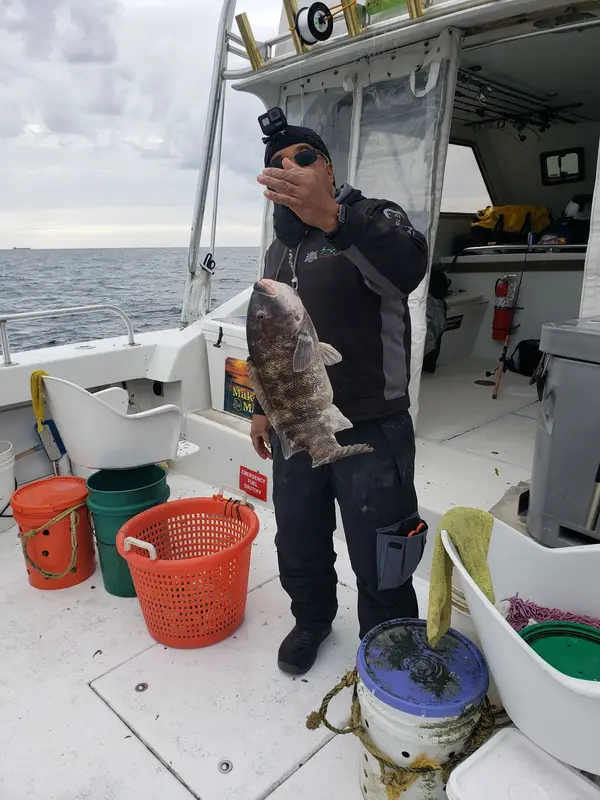
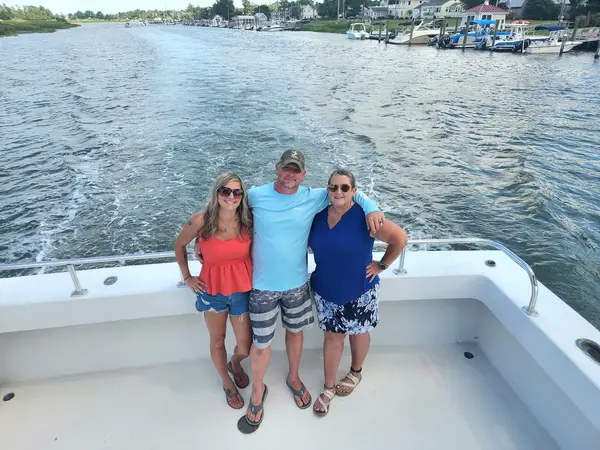
Plan your trip
Plan your trip to Delaware
Fishing License Requirements
All anglers aged 16 and older require a valid Delaware fishing license for both freshwater and saltwater fishing. Non-residents must also obtain a Delaware license. Charter and head boat fees typically do not include the license, so purchase it beforehand.
The FIN Number (Fisherman Information Network)
Even if you are exempt from needing a Delaware fishing license (residents 65 and older, for example), you still need a free annual Delaware Fisherman Information Network (FIN) number to fish the state's waters. It's issued automatically when you buy a license; the license-exempt must obtain it separately. Anglers under 16 are exempt from both the license and the FIN.
Freshwater vs. Saltwater Options
Delaware offers distinct guided experiences. Freshwater trips focus on rivers and ponds for bass, crappie, and pickerel. Saltwater trips range from inshore bay fishing for flounder and stripers to offshore canyon trips for tuna and mahi-mahi.
What a Guided Trip Includes
Most guided fishing trips in Delaware include the boat, fuel, an experienced captain/guide, all necessary fishing gear (rods, reels, tackle), and bait. It is always wise to confirm specific inclusions with your chosen guide when booking.
Peak Runs and Spawns
Key fishing periods include the spring and fall striped bass migrations, peak summer for offshore pelagics, and late spring/early summer for flounder in the bays. Guides are experts on these cycles and will target trips around them for best success.
Confirm current requirements with the state agency before your trip. Rules and fees change every season.
Delaware Fishing License
Anyone 16 years of age or older must possess a valid Delaware fishing license to fish in the state's public waters, both freshwater and saltwater. This applies to both residents and non-residents. Licenses can be purchased online or from authorized agents.
Delaware DNRECFisherman Information Network (FIN) Registry
All anglers 16 years of age or older fishing in any of Delaware's waters, tidal or non-tidal, are required to register annually with the Delaware Fisherman Information Network (FIN). This is a free registration and is separate from the fishing license requirement, though it is often combined during the license purchase process.
Delaware DNRECSize and Creel Limits
Delaware enforces specific size and creel (possession) limits for various fish species, which can vary by season and location. Guided fishing operators are knowledgeable about these regulations and will ensure all catches comply with current state and federal guidelines.
- 01
1. Define Your Fishing Goals
Pick your water first (fresh or salt, inshore or offshore), then the species you want most. That single decision sorts the guide list for you.
- 02
2. Research and Select a Guide
Browse Delaware guides and charters on Angling Hubs, read the reviews, and compare specialties. The captain who runs your target fishery every week is the one you want.
- 03
3. Confirm License Requirements
Sort out your Delaware fishing license, and the free Saltwater FIP registration if you're fishing tidal water, before trip day. Your guide can point you in the right direction if anything's unclear.
- 04
4. Communicate with Your Guide
Once you're booked, nail down the details: what gear the boat carries, what you should bring (food, drinks, sunscreen), and anything particular you want out of the day.
- 05
5. Prepare for Your Trip
Watch the forecast, dress for the water rather than the parking lot, and confirm the meeting time and dock. Arrive rested, the good bite rarely waits.
01Do I need a fishing license for a guided trip in Delaware?
02What species can I expect to catch on a guided trip in Delaware?
03What should I bring on a guided fishing trip in Delaware?
04Are guided fishing trips in Delaware suitable for beginners?
05What's the difference between an inshore and offshore guided trip?
Free tools
Your free outdoor toolkit

Everything Map
Listings, trails, spots, clubs and public land on a single full-screen map. Switch layers on and off, then tap any point for the details.
Open Everything MapFishing Spots
Browse 24,783 named waters, then read the state stocking record: species, size, and when.
Open Fishing SpotsRiver Explorer
Explore named rivers from the USGS hydrography dataset. Filter by water type or whitewater class.
Open River ExplorerRoute Planner
Drop stops on a map and watch distance and drive time add up. Export a GPX or share the link.
Open Route PlannerFishing Clubs
Browse local clubs with meeting info and how to join, or start your own for free.
Open Fishing ClubsPhoto ID
Point your camera at whatever you found and get a structured identification. No signup.
Open Photo ID
Keep exploring