Fishing Guides · Kansas
Fishing Guides in Kansas
Cast 8 guides across Kansas. Maps, hours, contact info, photos, and verified operator profiles, all in one place.
Tallgrass prairie remnants and the Smoky Hills.
About Kansas
Best time to go
When to fish in Kansas
April through October.
- March–May: the spring spawn is prime time for big bass
- October–November: a strong fall feed-up
- Summer: fish dawn, dusk, and deeper water in the heat
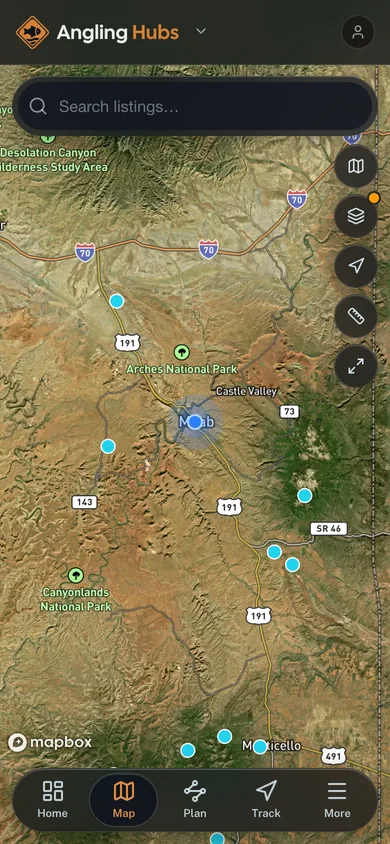
8 on the map
Tap a pin to open its profile.
Quick facts
- Fishing spots mapped
- 397
- Rivers mapped
- 246
- Guides listed
- 8
- Best season
- April through October
All listings
8 guides
across Kansas
Plan your trip
Plan your trip to Kansas
Fishing License Requirements
All anglers aged 16 and older are required to possess a valid Kansas fishing license. Non-resident licenses are available for various durations. Guides typically do not provide licenses, so purchase yours in advance from the Kansas Department of Wildlife and Parks (KDWP) website or authorized vendors.
Freshwater Focus
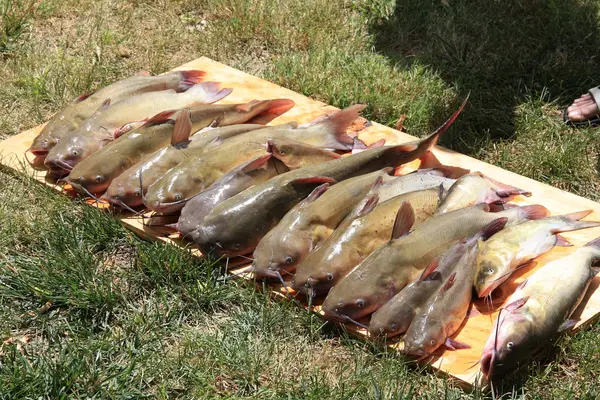
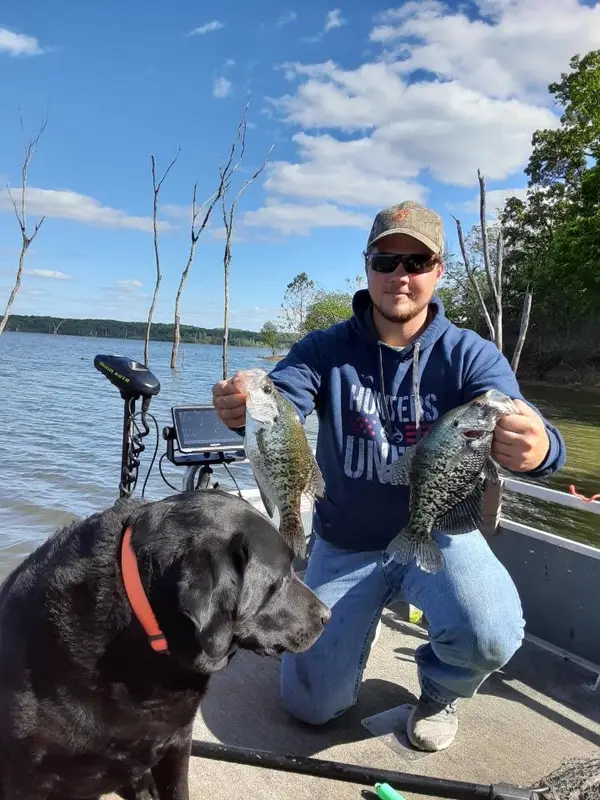
Kansas is a landlocked state, meaning all guided fishing opportunities are exclusively freshwater. Target species include walleye, largemouth bass, smallmouth bass, crappie, white bass, striped bass hybrids, and various catfish species, depending on the specific lake or river.
Peak Runs and Spawns
The most active fishing periods often coincide with spring spawns for crappie, white bass, and walleye, typically from March through May. Fall also offers excellent action as fish aggressively feed before winter. Consult with your guide for the best timing for your target species.
What a Guided Trip Typically Includes
A guided fishing trip in Kansas generally includes a fully equipped boat, all necessary fishing tackle (rods, reels, lures, bait), safety equipment, and the expertise of your licensed guide. Anglers are usually responsible for their fishing license, food, drinks, sunscreen, and appropriate clothing.
Target Species by Season
Spring is excellent for crappie, white bass, and walleye. Summer excels for catfish, deep-water bass, and wipers. Fall offers strong action for nearly all species as they feed heavily. Winter provides opportunities for ice fishing or targeting deep-water crappie and walleye.
Confirm current requirements with the state agency before your trip. Rules and fees change every season.
Kansas Fishing License
Every angler 16 years of age or older must possess a valid Kansas fishing license. This applies to both residents and non-residents. Licenses can be purchased online through the Kansas Department of Wildlife and Parks (KDWP) or from authorized vendors statewide.
Length and Creel Limits
Kansas enforces specific length and creel (bag) limits for various fish species, which can vary by water body. It is the angler's responsibility to know and adhere to these regulations. Your fishing guide will be knowledgeable about current limits for your target species and location.
Youth Fishing Regulations
Anglers under the age of 16 are generally not required to purchase a fishing license in Kansas. However, they must still comply with all applicable length and creel limits. It is advisable to confirm specific age exemptions with the Kansas Department of Wildlife and Parks.
- 01
1. Define Your Fishing Goals
Trophy walleye or a livewell full of crappie? Spring spawn chaos or a slow summer catfish drift? Decide what kind of day you actually want, the answer determines which guides and which waters make the shortlist.
- 02
2. Research Kansas Fishing Guides
Look at who works your target region or specializes in your species. The guides worth booking are licensed, experienced, well-reviewed, and fish their home waters often enough to know what changed last week.
- 03
3. Book Your Guided Trip
Get your chosen guide on the phone. Sort out dates, rates, and the shape of the day, and pin down exactly what's included versus what you're expected to bring.
- 04
4. Obtain a Kansas Fishing License
Anyone 16 or older needs a valid Kansas license before lines go in the water. Buying it online through the Kansas Department of Wildlife and Parks website takes a few minutes, do it before trip day.
- 05
5. Prepare for Your Trip
Check in with your guide a few days out to confirm details. Then pack for the actual forecast (layers, sunscreen, snacks, drinks), and whatever else keeps you comfortable through a full day on the water.
01What species can I expect to catch with a guide in Kansas?
02Do I need a fishing license to fish with a guide in Kansas?
03What does a typical guided fishing trip in Kansas include?
04When is the best time of year for guided fishing in Kansas?
05Are there any age restrictions for guided fishing trips?
06What should I bring on my guided fishing trip?
Free tools
Your free outdoor toolkit

Everything Map
Listings, trails, spots, clubs and public land on a single full-screen map. Switch layers on and off, then tap any point for the details.
Open Everything MapFishing Spots
Browse 24,783 named waters, then read the state stocking record: species, size, and when.
Open Fishing SpotsRiver Explorer
Explore named rivers from the USGS hydrography dataset. Filter by water type or whitewater class.
Open River ExplorerRoute Planner
Drop stops on a map and watch distance and drive time add up. Export a GPX or share the link.
Open Route PlannerFishing Clubs
Browse local clubs with meeting info and how to join, or start your own for free.
Open Fishing ClubsPhoto ID
Point your camera at whatever you found and get a structured identification. No signup.
Open Photo ID
Keep exploring