Fishing Guides · Wisconsin
Fishing Guides in Wisconsin
Cast 21 guides across Wisconsin. Maps, hours, contact info, photos, and verified operator profiles, all in one place.
Apostle Islands, the Driftless, and 15,000 lakes.
About Wisconsin
Best time to go
When to fish in Wisconsin
May through October.
- March–May: the spring spawn is prime time for big bass
- October–November: a strong fall feed-up
- Summer: fish dawn, dusk, and deeper water in the heat
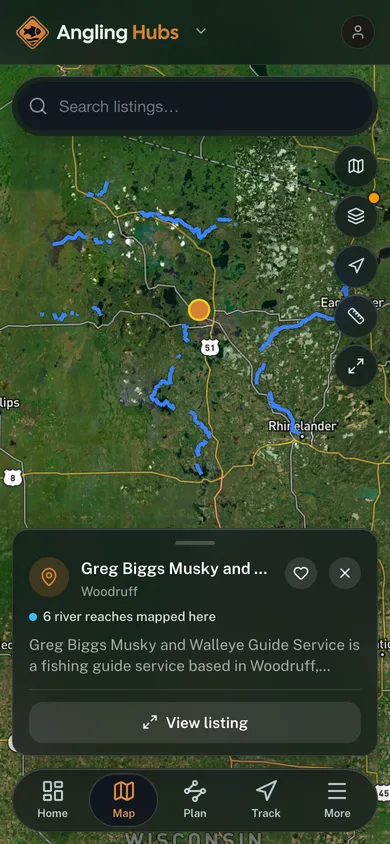
21 on the map
Tap a pin to open its profile.
Quick facts
- Fishing spots mapped
- 2,627
- Rivers mapped
- 190
- Guides listed
- 21
- Best season
- May through October
All listings
21 guides
across Wisconsin
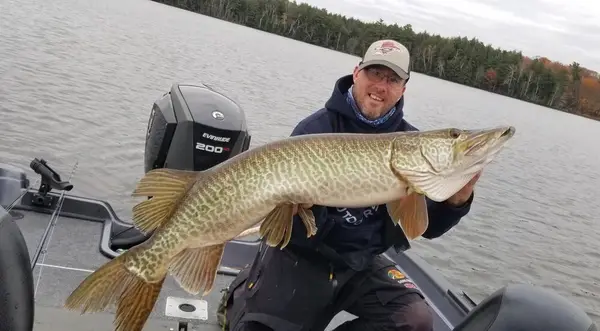
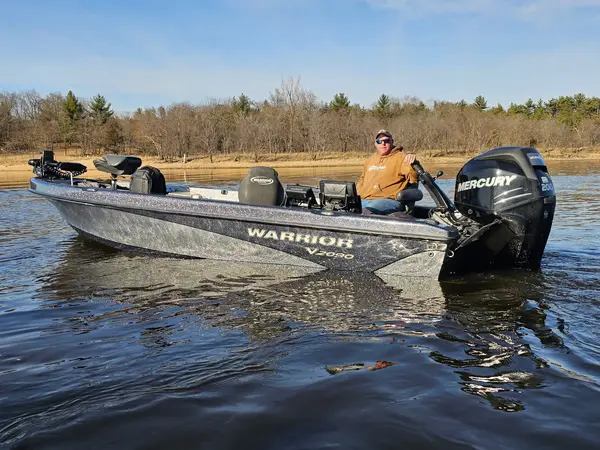
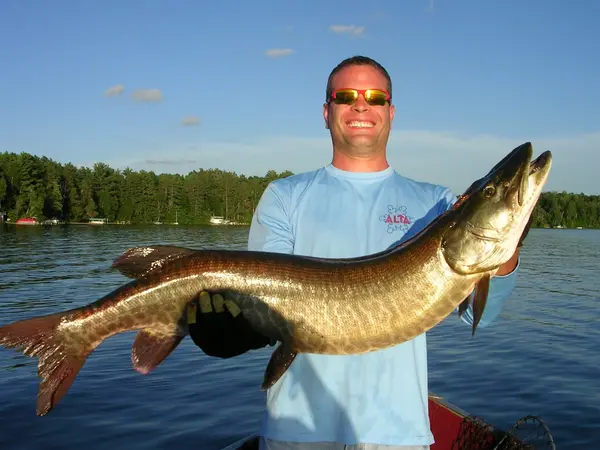
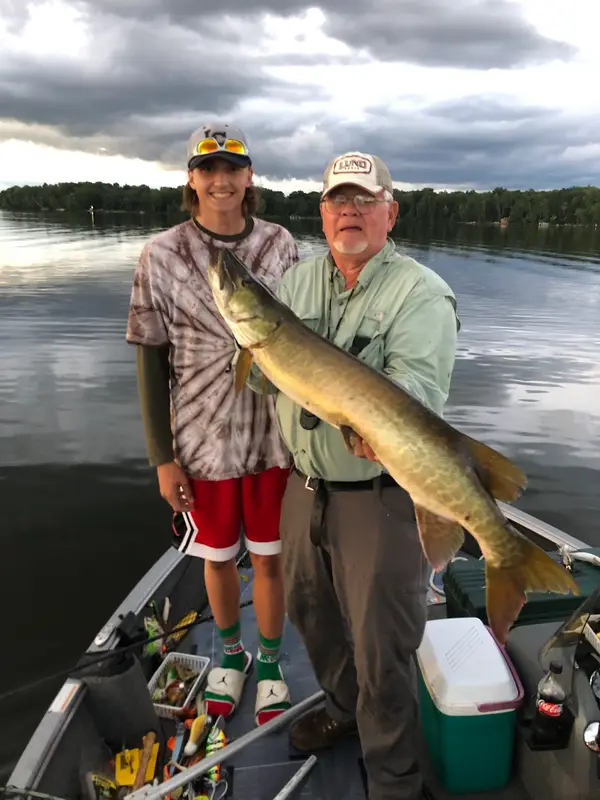
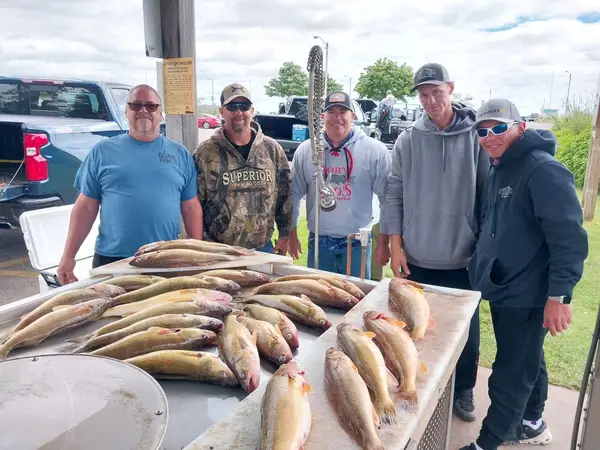
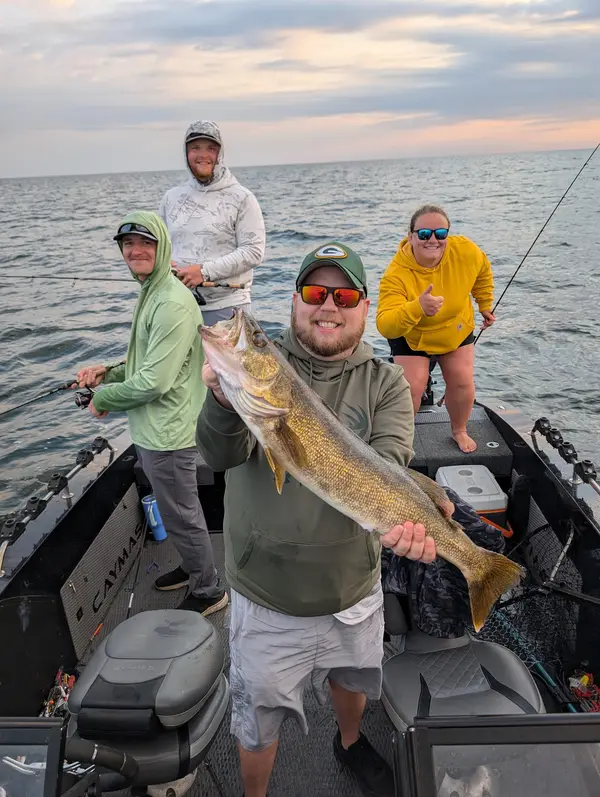
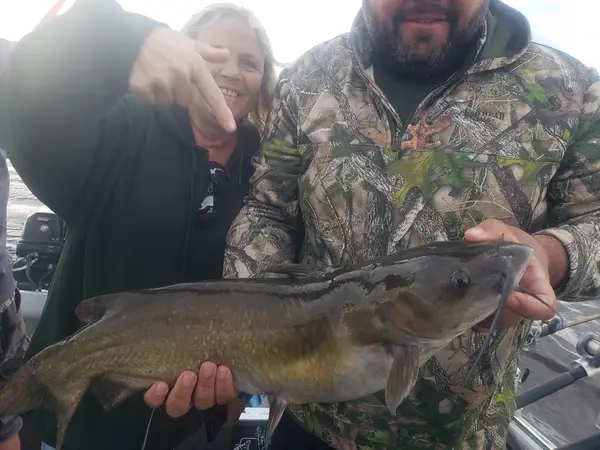
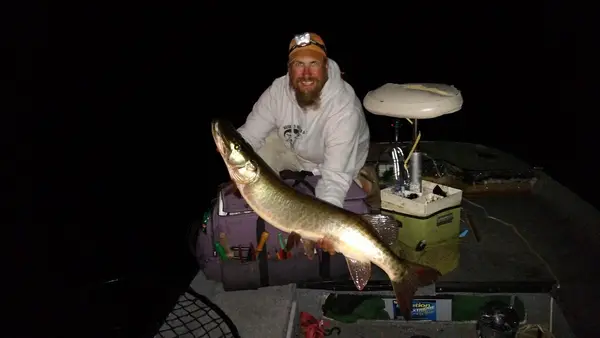
Watch it live
Live webcams in Wisconsin
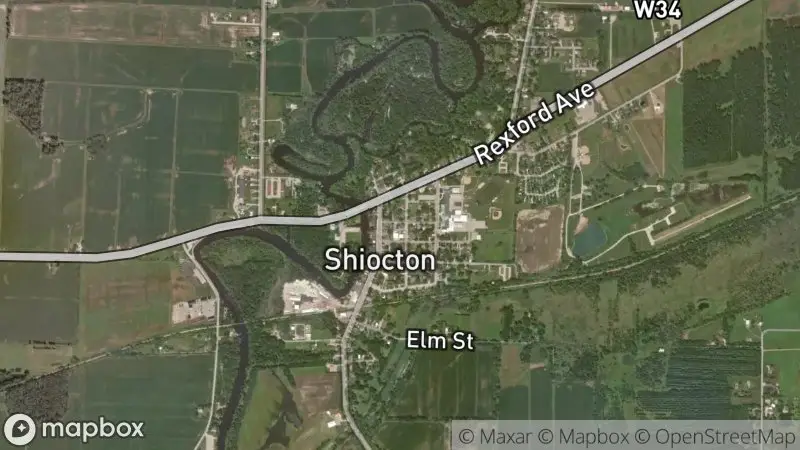 Location
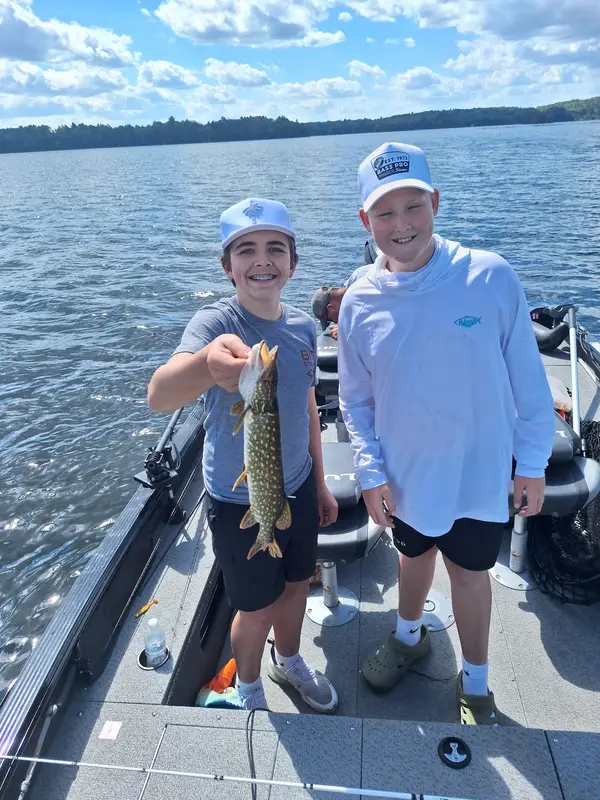
Wolf River Underwater Cam (Sturgeon Spawn)
via Wolf River Cam
Watch livePlan your trip
Plan your trip to Wisconsin
Fishing License Requirements
All anglers 16 years of age and older need a valid Wisconsin fishing license. Non-residents have various options, including annual, 15-day, or 1-day licenses. A Great Lakes Salmon/Trout Stamp is also required to fish for salmon and trout in the Great Lakes and their tributaries.
Target Species & Peak Seasons
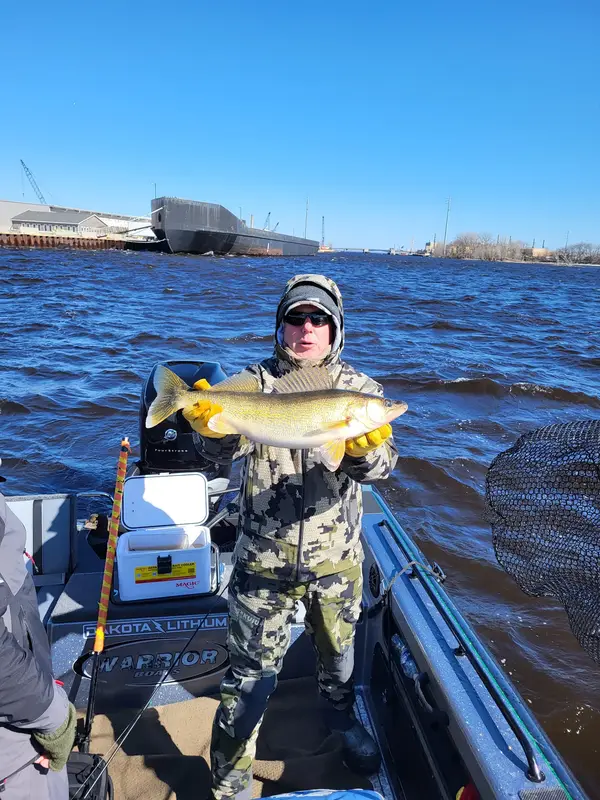
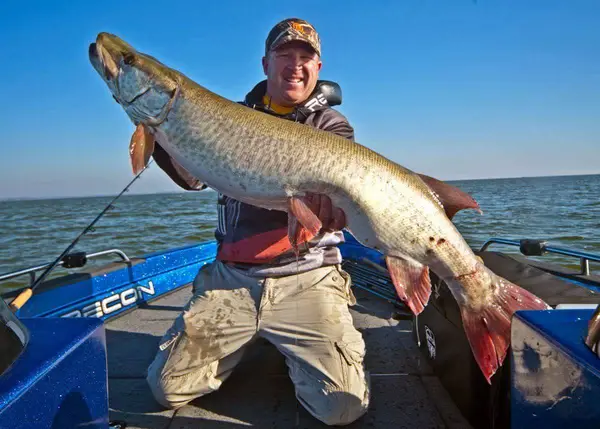
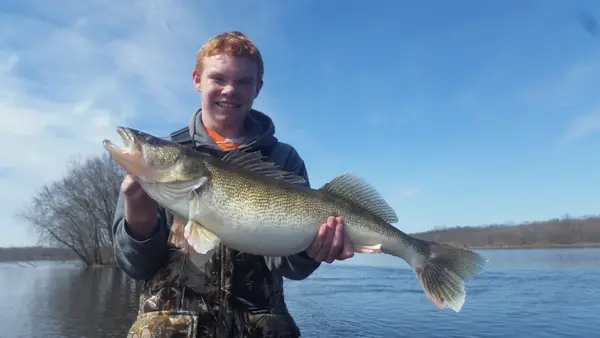
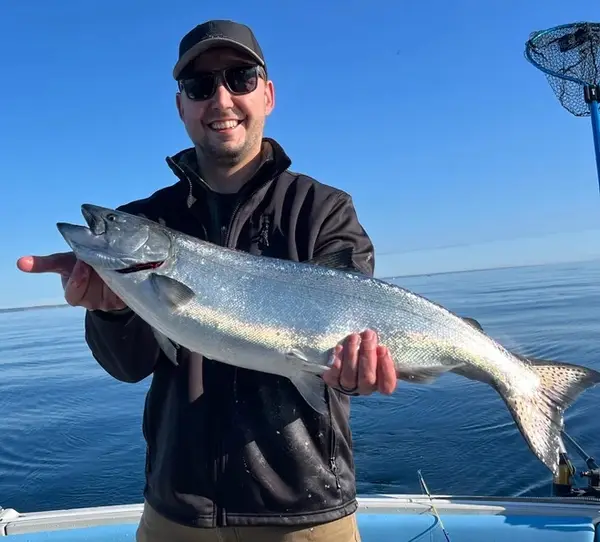
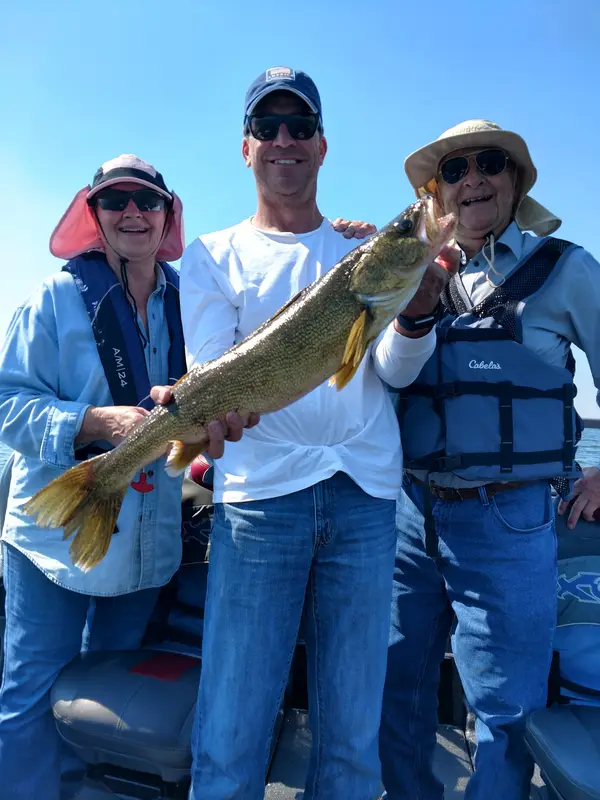
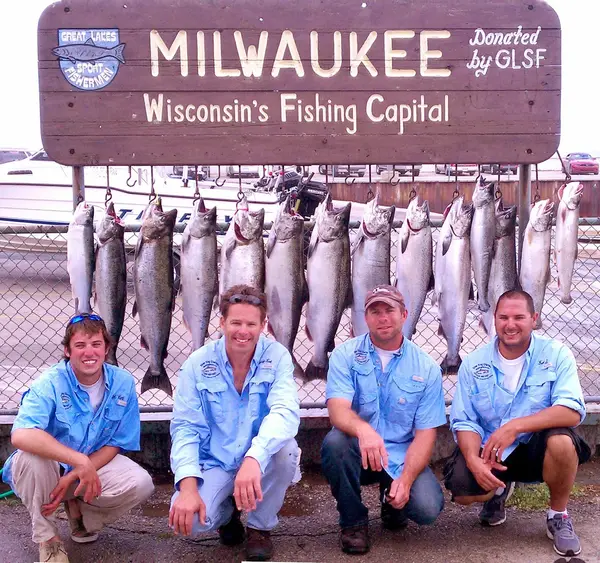
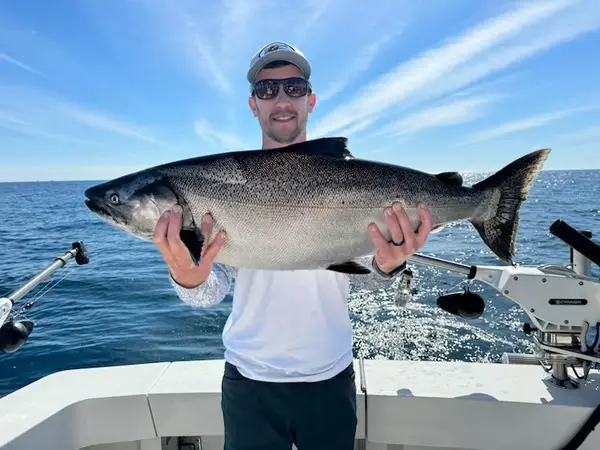
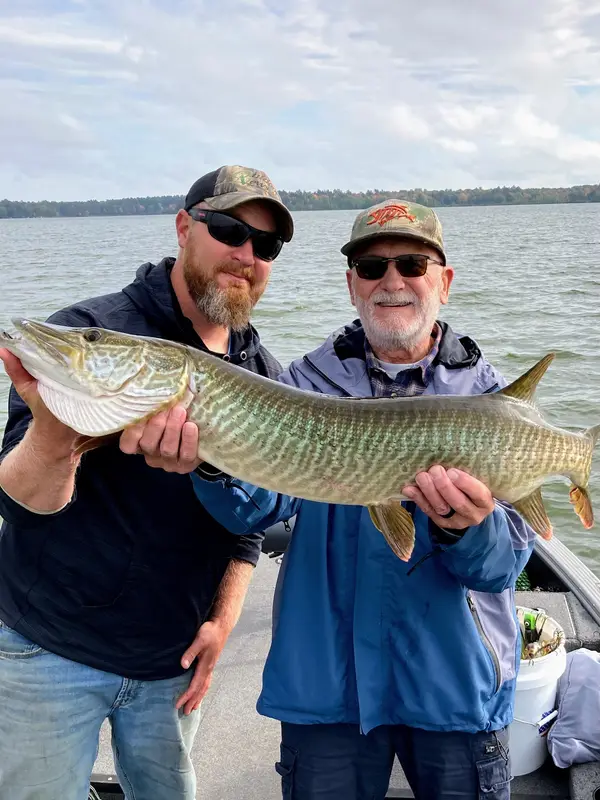
Wisconsin offers year-round fishing. Musky are best targeted in late spring through fall; walleye are strong in spring and fall, and through the ice; bass peak in summer; and Great Lakes salmon and trout are targeted from spring through fall, with tributary runs in autumn.
Freshwater Dominance
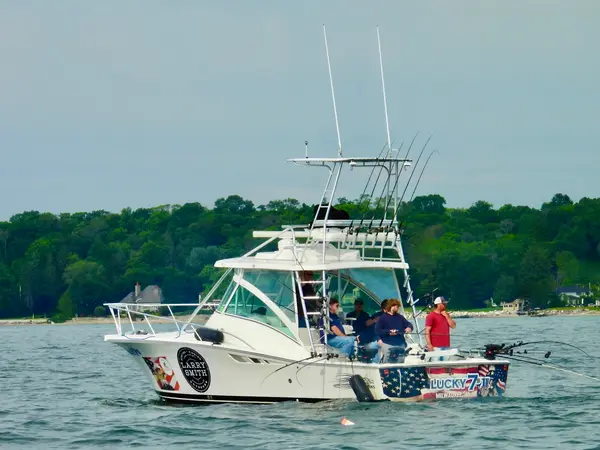
Wisconsin is exclusively a freshwater fishing destination. While Lake Michigan and Lake Superior offer large-water 'offshore' experiences for salmon and trout, there is no saltwater fishing. Guided trips are available across all freshwater environments, from vast lakes to small streams.
What a Guided Trip Includes
A typical guided fishing trip in Wisconsin includes the guide's expertise, a fully equipped boat or ice shanty, all necessary fishing gear (rods, reels, tackle), bait, and safety equipment. Anglers are usually responsible for their fishing license, appropriate clothing, food, and drinks.
Conservation & Catch Limits
Wisconsin has specific regulations regarding catch limits, size restrictions, and seasons for various species and bodies of water. Your guide will be knowledgeable about these rules, but it is always wise to familiarize yourself with the Wisconsin Department of Natural Resources (DNR) fishing regulations.
Confirm current requirements with the state agency before your trip. Rules and fees change every season.
Wisconsin Fishing License
Anyone 16 years of age or older must possess a valid Wisconsin fishing license to fish in the state's waters. Licenses are available for residents and non-residents, with options for annual, 15-day, or 1-day permits. Specific stamps, like the Great Lakes Salmon/Trout Stamp, may also be required depending on target species and location.
Great Lakes Salmon/Trout Stamp
Anglers wishing to fish for salmon or trout in Lake Michigan, Lake Superior, or their tributaries must purchase a Great Lakes Salmon/Trout Stamp in addition to their regular fishing license. This stamp supports the management and enhancement of these valuable fisheries.
Fishing Regulations Pamphlet
All anglers are responsible for knowing and following Wisconsin's fishing regulations, which include season dates, length limits, and bag limits for various species and water bodies. Regulations can vary significantly by lake, river, or region. Consult the current Wisconsin Fishing Regulations pamphlet provided by the DNR or your fishing guide for specific rules.
- 01
1. Define Your Target & Season
Musky, salmon, or walleye: the fish you pick decides the region, the water, and the kind of guide you need. Settle that first, then pick your dates.
- 02
2. Research & Select a Guide
Find guides who actually specialize in your species and region, a Hayward musky guide and a Milwaukee charter captain run very different days. Check their reports, experience, and client reviews.
- 03
3. Book Your Trip in Advance
The good calendars fill early, especially for musky and Great Lakes charters. Book several months out if you want your first-choice dates.
- 04
4. Confirm Details & Prepare
Sort out what to bring (license, stamps, food, clothing), plus meeting point and any water-specific rules. Have your Wisconsin license and any required stamps squared away before trip day.
- 05
5. Enjoy the Experience
Show up ready to listen. The guide handles expertise, equipment, and safety; your job is to take the advice, make the casts, and enjoy some of the most productive freshwater in the country.
01Do I need a fishing license for a guided trip in Wisconsin?
02What kind of fish can I expect to catch on a guided trip in Wisconsin?
03What should I bring on my guided fishing trip?
04What happens if the weather is bad on the day of my trip?
05Can I keep the fish I catch on a guided trip?
06How far in advance should I book a guided fishing trip in Wisconsin?
Free tools
Your free outdoor toolkit
Everything Map
Listings, trails, spots, clubs and public land on a single full-screen map. Switch layers on and off, then tap any point for the details.
Open Everything MapFishing Spots
Browse 24,783 named waters, then read the state stocking record: species, size, and when.
Open Fishing SpotsRiver Explorer
Explore named rivers from the USGS hydrography dataset. Filter by water type or whitewater class.
Open River ExplorerRoute Planner
Drop stops on a map and watch distance and drive time add up. Export a GPX or share the link.
Open Route PlannerFishing Clubs
Browse local clubs with meeting info and how to join, or start your own for free.
Open Fishing ClubsPhoto ID
Point your camera at whatever you found and get a structured identification. No signup.
Open Photo ID
Keep exploring