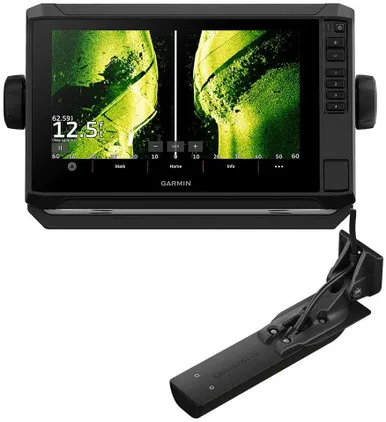
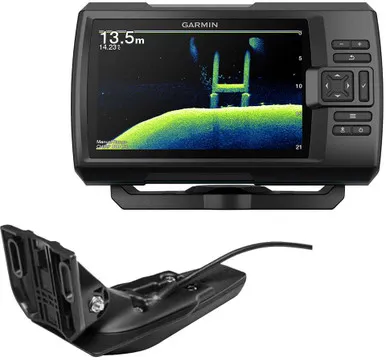
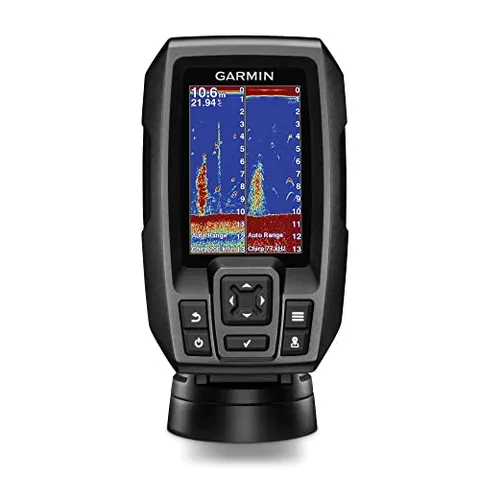
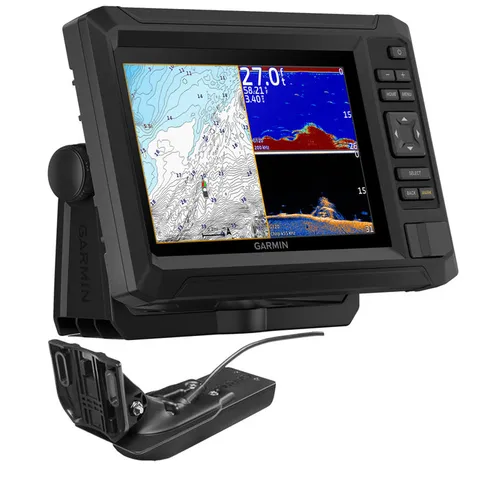
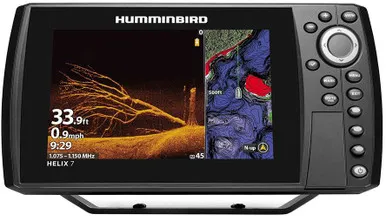
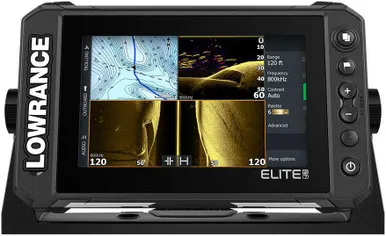
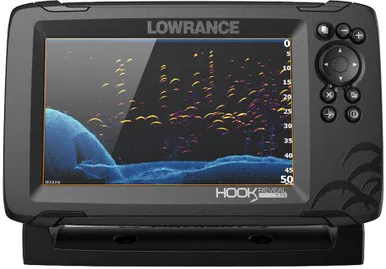
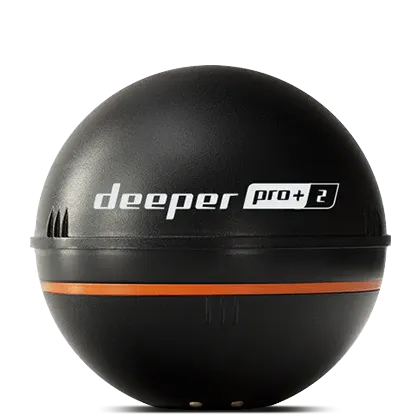
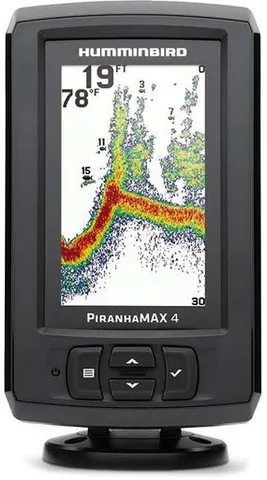
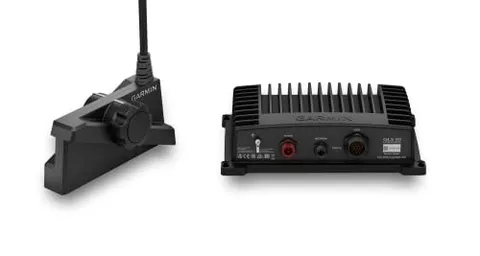
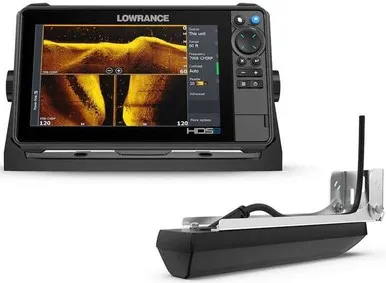
A fish finder is the single piece of gear most likely to change how many fish you put in the boat, and the market in 2026 spans a wider gulf than almost any other angling category. You can spend $110 on a pocket-sized GPS sonar that bolts to a kayak, or $2,500 on a 9-inch glass-bridge chartplotter with live forward-facing sonar that shows fish reacting to your lure in real time. The trouble is that retail channels flatten that spectrum: a search result throws a $130 Striker and a $1,300 LiveScope system onto the same page with five gold stars apiece, and nothing tells you which one actually fits the way you fish.
This guide is built to map that spectrum. We sorted real, currently-available models into three tiers (budget, mid, and premium), so you can see where the meaningful jumps in capability happen and where you're paying for a bigger screen you may not need. The honest truth is that most anglers are over-served by the premium tier and under-served by the budget tier's GPS limitations. A weekend bass or panfish angler on a small lake is genuinely well-equipped with a $150 unit; an offshore or tournament angler chasing structure in 120 feet of water will feel every shortcut a cheap transducer takes.
The three brands that matter here (Garmin, Humminbird, and Lowrance), each have a personality. Garmin leads on ease of use, value, and preloaded coastal charts; Humminbird owns side-imaging clarity and pairs naturally with Minn Kota; Lowrance has the tournament-bass following and the strongest live-sonar ecosystem. We've called those leanings out per model so you can match the tool to your water.