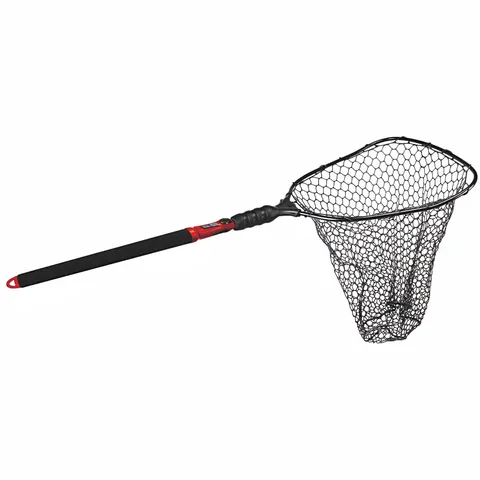
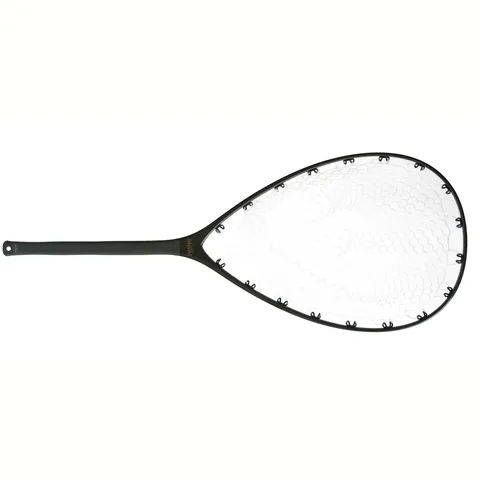
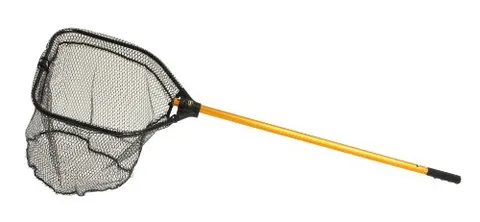
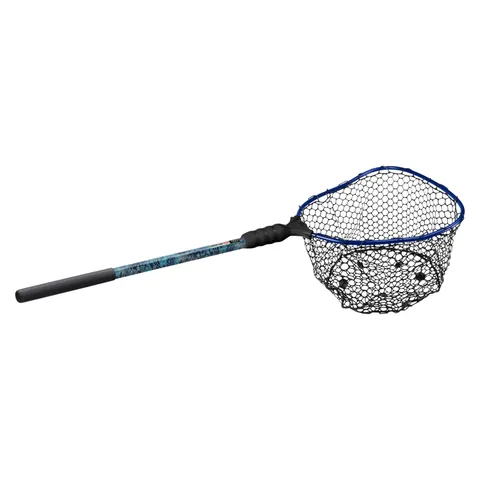
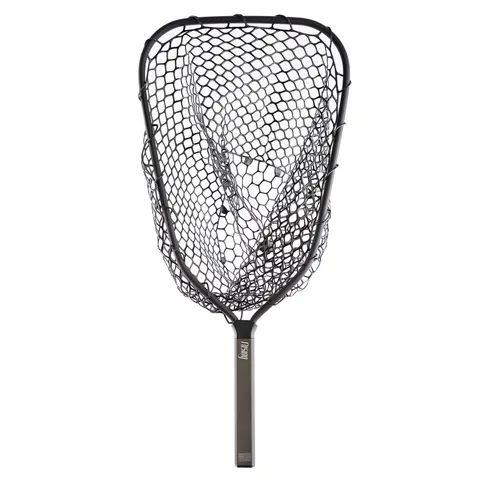
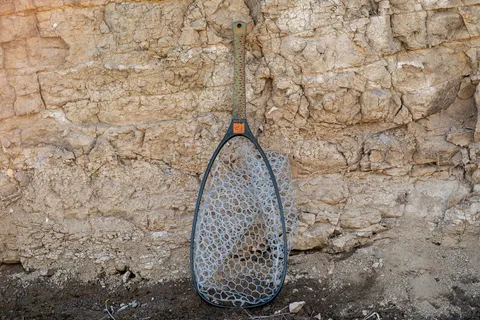
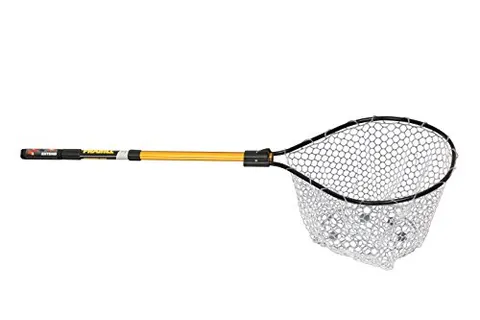
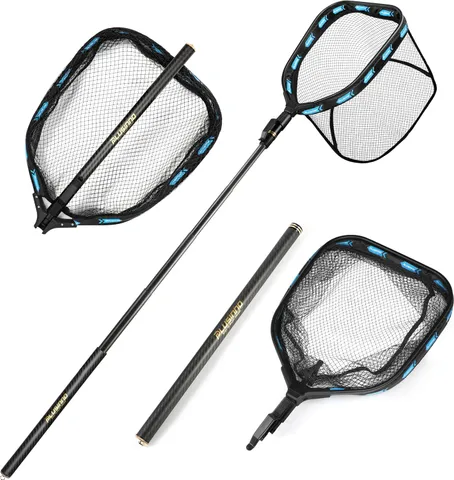
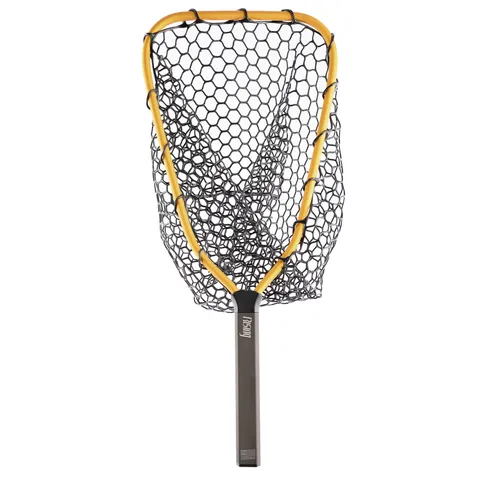
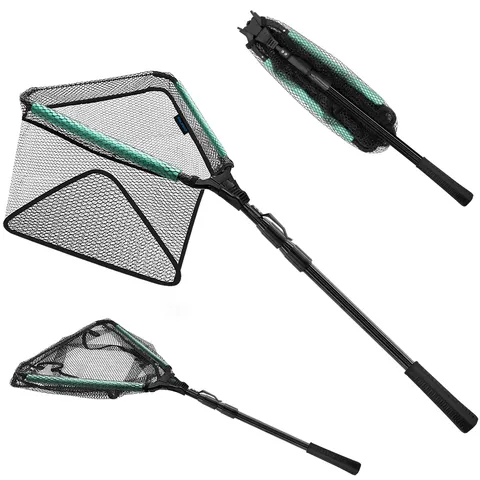
The landing net is the last piece of gear standing between a hooked fish and a clean release, and it does more work than most anglers give it credit for. A good one brings fish to hand faster, keeps a treble hook from turning a quick photo into a ten-minute untangling session, and protects the slime coat a fish needs to survive after you let it go. This guide covers real nets you can buy in 2026, from twenty-dollar telescoping models that live in a kayak crate to carbon-fiber boat nets that cost more than some rods.
The single most important decision is the net bag. Knotless rubber or rubber-coated mesh has become the standard for good reason. It is gentle on scales and fins, it does not soak up water and grow heavy, and it sheds hooks far better than old knotted nylon. Frame and handle come next. Fly anglers wading small streams want a compact hoop and a short handle that stays out of the brush. Boat and kayak anglers reaching over a gunwale want an extending handle, and saltwater anglers want corrosion-resistant aluminum with a bag deep enough to cradle a redfish or a striper.
We spread these picks across three price tiers so you can see the whole market in one place, which is exactly what a marketplace search will not show you. Budget nets get the job done for panfish, trout, and bass without much fuss. Mid-tier nets add better handles, tougher frames, and rubber bags built to survive seasons rather than trips. Premium nets are where you find hand-built USA frames, carbon composites that float, and finishes that shrug off years of hard guide use.