Skip to content
Top-rated outdoor gear, ranked

Best Of 2026

Best Fishing Rods of 2026

Our top 11 picks, independently ranked. Budget to premium.

A fishing rod is the one piece of tackle you hold in your hand every second you're on the water, and it's where the gap between cheap and expensive actually shows up in your catch rate. The good news for 2026 is that the floor has never been higher: a $35 rod today casts and fights fish better than a $100 rod did fifteen years ago. The bad news is that retailers and marketplaces flatten everything into a wall of near-identical listings, so a beginner spends the same energy evaluating a disposable combo rod and a tournament-grade blank. This guide is built to give you the map Amazon won't: where real value lives, where you start paying for diminishing returns, and where the premium price actually buys you a measurably better tool.

We focused on rods anglers genuinely buy and keep, across both freshwater (bass, walleye, trout, panfish) and inshore saltwater (redfish, trout, snook, flounder). Power and action matter more than brand prestige: a medium-power, fast-action 6'10" to 7'2" rod handles the widest range of techniques, which is why most of our picks cluster there. We weighted sensitivity, blank quality, components (guides and reel seat), warranty, and, critically, whether the rod's price matches what you actually feel in hand.

Prices below are realistic US street ranges as of mid-2026 and will drift with sales and specific length/power combos. Every rod here comes in many configurations; buy the one that fits your target species and lure weight, not just the model name.

At a glance

#ProductPrice
1$200–$210
2$110–$130
3$30–$45
4$280–$330
5$300–$340
6$100–$115
7$130–$150
8$80–$110
9$120–$150
10$40–$65
11$450–$540
Premier Spinning Rod (2026)
Best OverallMid-range

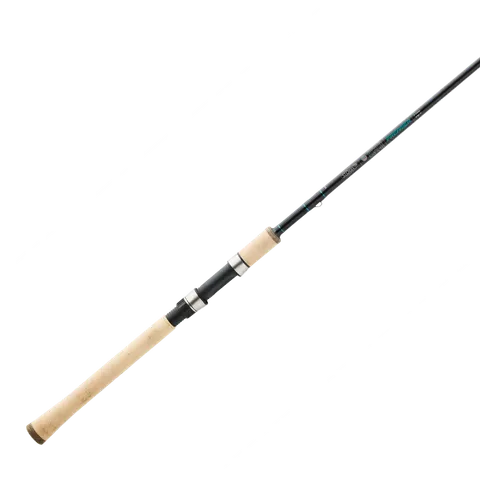
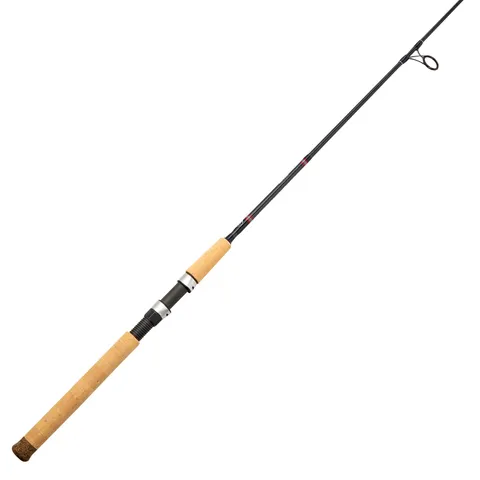
1. Premier Spinning Rod (2026)

St. Croix

$200–$210

St. Croix re-engineered the Premier for 2026 with lighter SCII graphite blanks (~10% weight savings) and refined tapers, delivering a rod that handles like a custom stick for around $200. It's the do-everything pick that satisfies both beginners stepping up and seasoned anglers.

Best for: The angler who wants one premium-feeling rod that does almost everything

Premium feel and sensitivity well below tournament pricing · Refreshed 2026 blank is noticeably lighter than prior gen · Huge range of lengths/powers for any technique · Backed by St. Croix's strong warranty

Pricier than entry rods · Aluminum-oxide guides aren't quite SiC-grade

Bass X Spinning Rod
Best ValueMid-range

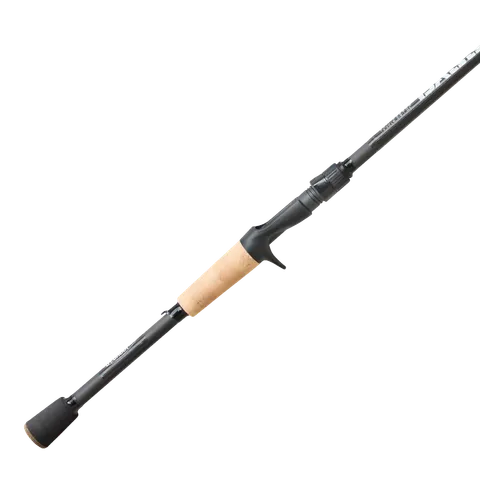
2. Bass X Spinning Rod

St. Croix

$110–$130

Built on premium SCII graphite with a fast-action tip, the Bass X delivers feel and handling that punch far above its ~$120 price. It's the rod that converts budget anglers into St. Croix loyalists.

Best for: Dedicated bass anglers on a budget who still want genuine sensitivity

Real high-modulus graphite sensitivity near $100 · Crisp fast tip for accurate casts and solid hooksets · Available in both spinning and casting

Components are functional, not premium · Not as refined or light as the Premier

Ugly Stik GX2 Spinning Rod
Best BudgetBudget

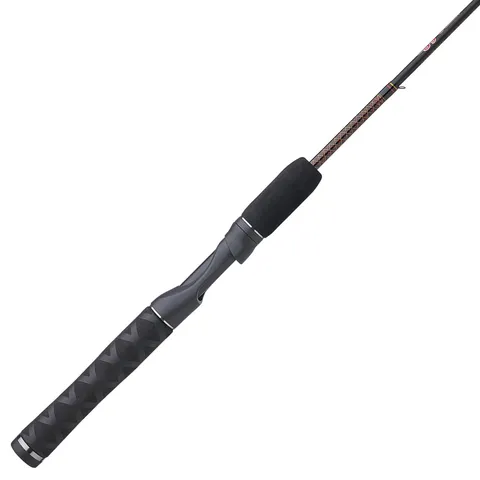
3. Ugly Stik GX2 Spinning Rod

Ugly Stik

$30–$45

The legendary near-indestructible graphite/fiberglass blend that survives being stepped on, dropped, and dragged. It's not the lightest or most sensitive rod, but for durability per dollar nothing touches it.

Best for: Beginners, kids, and anglers who fish rough conditions or saltwater jetties

Virtually indestructible build · Clear Tip design adds sensitivity for the price · Tiny price, 7-year warranty

Heavier and less sensitive than graphite rods · Basic action limits finesse techniques

Expride B Casting Rod
Editor's PickPremium

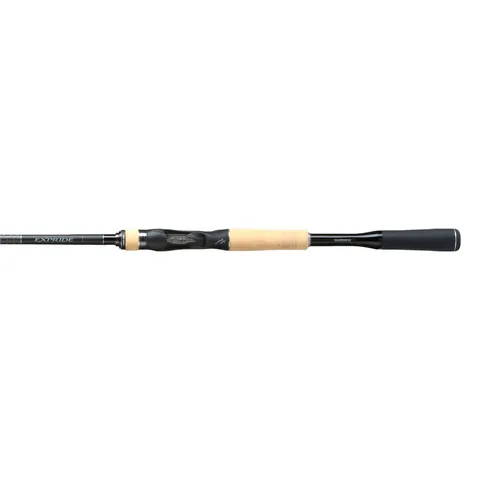
4. Expride B Casting Rod

Shimano

$280–$330

A Carbon Monocoque handle transfers vibration straight into your palm for up to 30% more sensitivity, paired with CI4+ reel seats and Fuji SiC guides. Owners routinely say it performs like rods costing $500–$700.

Best for: Serious bass anglers chasing maximum sensitivity for bottom-contact baits

Exceptional sensitivity via Carbon Monocoque handle · Premium Fuji SiC guides and light, balanced blank · Wide technique-specific lineup

Premium price · Exposed-blank handle telegraphs every bump, a love-it-or-not feel

Legend Tournament Bass Casting Rod
Best PremiumPremium

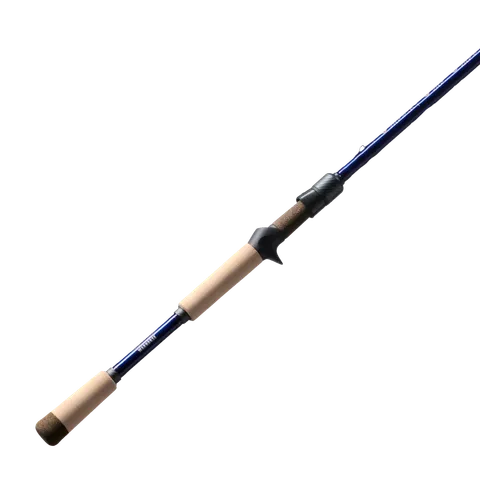
5. Legend Tournament Bass Casting Rod

St. Croix

$300–$340

Super-high-modulus SCIV+ carbon with Integrated Poly Curve tooling makes this one of the most sensitive, technique-tuned bass rods you can buy, in dozens of purpose-built actions. A genuine tournament stick at ~$300.

Best for: Tournament and avid anglers who match a precise rod to each technique

Elite sensitivity and balance from SCIV+ blanks · Deep lineup of technique-specific models · Made in USA with St. Croix's premium warranty

Expensive · So technique-specific that you'll want more than one

Fury Casting Rod
Mid-range

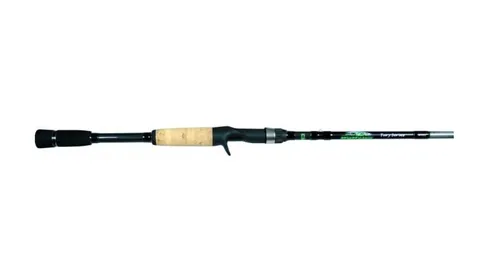
6. Fury Casting Rod

Dobyns

$100–$115

Dobyns' reputation for sensitive, well-balanced blanks at an accessible price made the Fury the go-to recommendation for anglers stepping up from spinning gear. High-modulus graphite, Fuji reel seat, and Kevlar wrapping for ~$100.

Best for: Anglers moving into baitcasting who want real performance for the money

Sensitivity and balance that punch above $100 · Fuji reel seat and AA-grade cork grip · Kevlar-wrapped blank adds durability

Fewer ultra-finesse options than rivals · Stock guides aren't top-tier SiC

Tatula XT Spinning Rod
Mid-range

7. Tatula XT Spinning Rod

Daiwa

$130–$150

A long-running favorite that pairs lightweight high-modulus graphite with a clean, sensitive blank and reliable components. Tournament-leaning performance and feel at a mid-tier price.

Best for: All-around freshwater anglers who want a proven, dependable mid-tier stick

Light, sensitive blank with crisp action · Durable build with quality guides and seat · Strong reputation for consistency

Pricier than the Bass X for similar use · Cosmetics are understated

Battalion II Inshore Spinning Rod
Budget

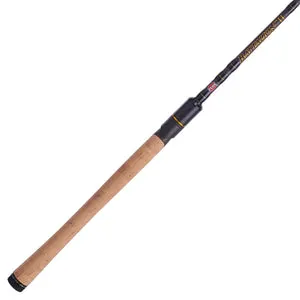
8. Battalion II Inshore Spinning Rod

Penn

$80–$110

Penn's second-gen Battalion is a super-light, surprisingly powerful inshore rod built to take salt abuse: popular for redfish, trout, snook, and even tarpon when matched to the right reel. One of the best value plays in saltwater.

Best for: Inshore saltwater anglers wanting proven performance without overspending

Light, powerful blank tuned for inshore species · Corrosion-resistant components for salt use · Excellent value and broad model range

Not as refined as $200+ inshore rods · Cork-and-EVA grips show wear over heavy seasons

Stellar Lite Inshore Spinning Rod
Mid-range

9. Stellar Lite Inshore Spinning Rod

Star Rods

$120–$150

A cult-favorite inshore rod built on lightweight, sensitive IM7 graphite with premium Fuji guides, a Fuji reel seat, and cork handle. Anglers consistently say it casts like a dream and tests as strong as rods well above its price.

Best for: Inshore anglers who want premium components without a flagship price

Light and sensitive IM7 blank · Premium Fuji guides and reel seat · Strong backbone for its weight class

Less widely stocked than Penn · A step up in price from entry inshore rods

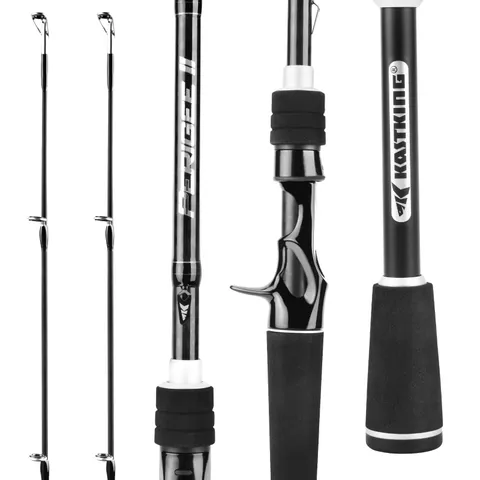
Perigee II Fishing Rod
Budget

10. Perigee II Fishing Rod

KastKing

$40–$65

A two-piece travel-friendly rod built on Toray 24-ton carbon with Fuji O-ring guides, and it ships with two interchangeable tips for two actions in one rod. Strong, sensitive, and a fraction of premium pricing.

Best for: Budget and traveling anglers who want versatility in a single packable rod

Two tips give you two actions in one rod · Fuji O-ring guides at a budget price · Travel-friendly two-piece design · Strong owner ratings (4.8/5 across ~200 reviews)

Not as refined as one-piece premium blanks · Twin-tip ferrule adds a slight dead spot for purists

Destroyer P5 Casting Rod
Premium

11. Destroyer P5 Casting Rod

Megabass

$450–$540

The aspirational halo rod: Megabass's Destroyer P5 series is prized for its exotic blank engineering, technique-specific tapers, and unmistakable feel. It's expensive and indulgent, but for anglers chasing the absolute top, it delivers.

Best for: Enthusiasts and tournament anglers who want a flagship, no-compromise rod

Elite blank design with signature Megabass feel · Beautifully finished, technique-specific models · A genuine dream-tier rod

$450+ pricing is hard to justify on performance alone · Limited availability and steep replacement cost

How we choose

We ranked these rods by overall recommendation for a typical angler, not by price, drawing on hands-on reviews from Outdoor Life, Wired2Fish, Tactical Bassin', and tackle specialists (Tackle Warehouse, FishUSA), plus manufacturer specs and long-run owner feedback. The three tiers reflect what you're paying for: budget rods (roughly $30–$70) prioritize durability and a forgiving blank so a beginner or rough-conditions angler can't go wrong; mid-tier rods ($100–$220) is where high-modulus graphite, better tapers, and quality Fuji-style guides make a rod noticeably lighter and more sensitive without tournament pricing: this is the sweet spot for most serious anglers; premium rods ($280–$550) buy refined carbon blanks, monocoque/exposed-blank handles, and SiC guides that translate the faintest bottom-contact bite. A rod earned a higher rank when it over-delivered for its tier. This guide is editorially independent: we accept no payment for placement or rankings, and retailer links may be affiliate links that don't affect price, our picks, or their order.

Common questions

A 6'10" to 7' medium-power, fast-action spinning rod is the most versatile single rod you can own. It throws lures roughly 1/8–1/2 oz, handles everything from panfish to bass to inshore trout and redfish, and is forgiving enough to learn casting mechanics on. Buy spinning (not baitcasting) first, it's far easier to use with light lures and won't backlash.

On a spinning rod the reel hangs under the rod and the guides face down; it excels with lighter lures and lighter line and is beginner-friendly. A baitcasting (casting) rod has the reel and guides on top, gives you more pinpoint accuracy and cranking power with heavier lures and line, but has a learning curve (backlashes). Most anglers eventually own both: spinning for finesse and light presentations, casting for heavier cover and bigger baits.

There's a real performance jump from a $35 rod to a roughly $120–$200 mid-tier rod, they're dramatically lighter and more sensitive, which means more bites detected and less fatigue. Above about $250 you're paying for refinement: marginally better sensitivity, premium guides, and balance that matters most to anglers who fish 8 hours a day or use bottom-contact techniques. For most people, a great mid-tier rod is the smartest money in this guide.

Yes, if you fish salt regularly. Inshore-specific rods (like the Penn Battalion II or Star Stellar Lite) use corrosion-resistant guides and reel seats designed to survive salt spray, and have backbone tuned for redfish, snook, and trout. A freshwater bass rod will work occasionally, but rinse it religiously, untreated components corrode fast. Always freshwater-rinse any reel and rod after saltwater use.

Action describes where the rod bends. Fast action bends mostly in the top third: more sensitivity and faster, harder hooksets, ideal for jigs, worms, and single-hook lures. Moderate action bends deeper into the blank, loading more slowly, which keeps treble-hook lures (crankbaits, jerkbaits) pinned during a fight. Match action to technique: fast for bottom contact and big hooksets, moderate for moving baits with trebles.

Graphite is strong but brittle to point impacts and high-angle loads. Never high-stick (point the rod straight up) when fighting or freeing a snag, pull from a low angle. Don't lean rods against walls under tension, store them in tubes or a rack out of direct sun, and rinse guides and reel seat after salt use. Most quality rods carry a limited warranty (St. Croix and Ugly Stik are notably good), so register yours.

Some links are affiliate links, and we may earn a commission at no extra cost to you. It never affects our rankings.

In your pocket

Take every fishing spot with you.

Free, no account needed. River levels, maps, and an AI fish identifier in your pocket.

  • Every charter, guide, and access point in your pocket

  • Snap a photo. AI names the catch

  • Public-land boundaries so you know the bank is open

  • GPS tracking that keeps recording on water with no signal

The Angling Hubs app dashboard

For operators

Run your fishing business?
Launch your branded surface.

Get your own branded surface in the Angling Hubs app and a directory listing in minutes. Bookings, digital waivers, and your whole operation live in one cockpit.