Skip to content
Top-rated outdoor gear, ranked

Best Of 2026

Best Fishing Spinning Reels of 2026

Our top 10 picks, independently ranked. Budget to premium.

Walk down the spinning-reel aisle in 2026 and the price tags run from $35 to north of $800, with very little on the box to tell you why. The truth is that the gap is real but not linear: the last decade of trickle-down engineering means a $60 reel today casts and drags better than a $200 reel did ten years ago, while the flagship tier has pushed into sealed, machined territory that genuinely survives years of saltwater abuse. The trick is knowing which tier your fishing actually demands, a weekend bass or trout angler and a surf-casting striper hunter have almost nothing in common in what they need from a reel.

This guide covers ten reels we'd actually recommend in 2026, spanning that whole spectrum: sub-$50 starter reels that don't feel like toys, the $150–$250 sweet spot where most serious freshwater and inshore anglers should shop, and the $300+ sealed-body machines built for salt, surf, and offshore work. We've leaned on hands-on testing reports from Outdoor Life's reel test and Wired2Fish's 2026 buyer's guides, current retailer pricing, and the manufacturers' own spec sheets, and we've flagged which reels are freshwater-first, which are salt-ready, and which credibly do both.

A quick orientation on sizing before you dive in: 1000–2500 sizes suit trout, panfish, and finesse bass; 2500–4000 covers general bass, walleye, and light inshore; 4500 and up is surf and offshore territory. Every reel below is available in multiple sizes, so the price ranges reflect the spread across a model family, not a single SKU.

At a glance

#ProductPrice
1$200–$230
2$220–$240
3$310–$400
4$750–$900
5$80–$110
6$240–$270
7$550–$650
8$135–$175
9$50–$75
10$35–$50
Shimano Stradic FM
Best OverallMid-range

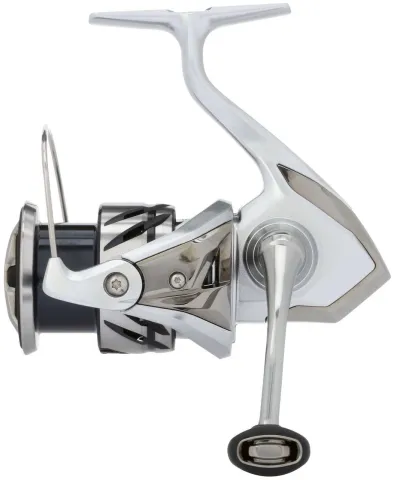
1. Shimano Stradic FM

Shimano

$200–$230

The Stradic FM brings Shimano's flagship tech (HAGANE cold-forged gears, InfinityXross, Silent Drive), down to a ~$220 reel that fishes flawlessly in both fresh and salt. It's the default answer to 'which spinning reel should I buy' in 2026.

Best for: The serious all-around angler who wants one reel for bass, walleye, and light inshore work.

Cold-forged HAGANE gearing with InfinityXross gives near-Stella smoothness and durability · 24 lb max drag (4000/5000 sizes) handles inshore salt as readily as bass water · Long-stroke spool and anti-twist fin noticeably improve casting distance and line management

Not a sealed reel, needs rinsing discipline if you fish salt regularly · Price has crept up; with tariff-era pricing it flirts with $230 at some retailers
Daiwa Ballistic MQ LT
Editor's PickMid-range

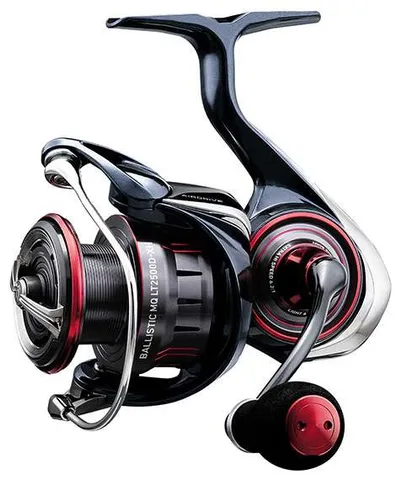
2. Daiwa Ballistic MQ LT

Daiwa

$220–$240

Outdoor Life's best-overall test winner and an ICAST award recipient, the Ballistic MQ LT pairs a one-piece Monocoque body with Magsealed protection at a price that undercuts what this build quality usually costs. The 22-lb drag and effortless castability stood out in head-to-head testing.

Best for: Anglers who want flagship-adjacent Daiwa engineering for around $230.

Monocoque aluminum body allows a bigger drive gear in a smaller, stiffer frame · Magsealed main shaft keeps water and grime out, credible in light saltwater · Tested drag strength (22 lbs) and casting distance led its price class

Standard models use a lower gear ratio, so retrieve is slower than HG competitors · Daiwa's size/model naming (2500D, D-XH, etc.) is confusing to shop

Penn Slammer IV
Premium

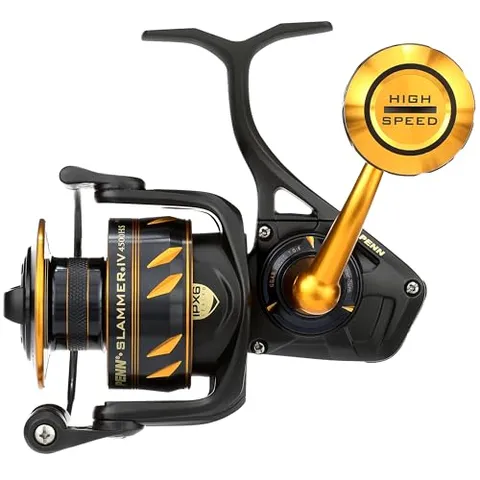
3. Penn Slammer IV

Penn

$310–$400

The Slammer IV is the saltwater workhorse standard: full-metal body, CNC-cut brass main gear, and IPX6 sealing on body and spool. Wired2Fish named it the best offshore spinning reel for 2026, and it's the reel you see on surf beaches and charter decks for a reason.

Best for: Surf, jetty, and offshore anglers who need a sealed reel that shrugs off salt spray and sand.

IPX6-sealed body and spool genuinely keep salt out, proven over the Slammer line's long service history · CNC brass gearing and HT-100 drag (up to 30+ lbs) muscle big fish without fade · Huge size run (2500–10500) covers inshore through serious offshore

Heavy compared with Daiwa/Shimano equivalents: this is a tank, not a finesse reel · At $310+, casual salt anglers may be better served by the Battle IV

Shimano Stella FK
Best PremiumPremium

4. Shimano Stella FK

Shimano

$750–$900

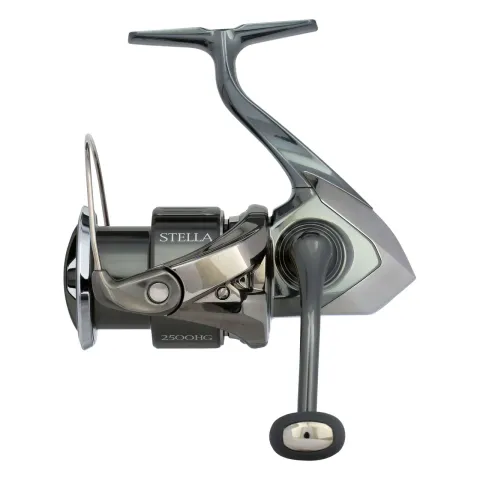
The Stella FK remains the reel every other spinning reel is measured against: InfinityLoop oscillation, InfinityXross gearing, and DuraCross drag in a package that feels frictionless under load. It's an heirloom-grade tool for anglers who fish enough to justify it.

Best for: Obsessive anglers and full-time guides who want the best and will use it hard.

The smoothest gear train in production; smoothness holds up under load and over years · DuraCross drag is dramatically more durable than conventional felt/carbon stacks · Exceptional casting control and line lay improve light-line fishing measurably

$750+ buys three Stradics, diminishing returns for occasional anglers · Freshwater FK models aren't fully sealed; big-salt duty belongs to the Stella SW

Daiwa BG
Best ValueBudget

5. Daiwa BG

Daiwa

$80–$110

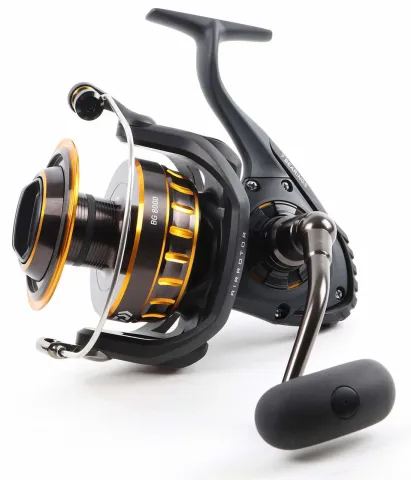
A decade in, the BG is still the best dollar-for-dollar saltwater spinning reel you can buy: anodized aluminum body, oversized Digigear, and a carbon ATD drag for around $90. Wired2Fish tapped it as the best kayak saltwater reel for 2026, and it's just as at home on a pier or jon boat.

Best for: Budget-minded saltwater and kayak anglers who want metal-body durability under $100.

Machined-aluminum 'HardBodyz' housing at a price where competitors use graphite · Oversized Digigear and ATD carbon drag punch far above the price class · Massive size range (1500–8000) from bass to small tuna

Not sealed: it survives salt through robustness and rinsing, not gaskets · Noticeably heavier and less refined-feeling than modern LT-series Daiwas

Shimano Vanford A
Mid-range

6. Shimano Vanford A

Shimano

$240–$270

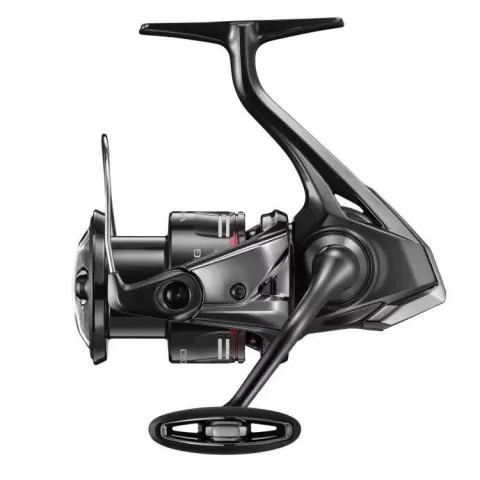
The Vanford is the finesse specialist of Shimano's lineup, a CI4+ carbon body and MGL rotor make it the lightest reel in its class (6.3 oz in 2500), which Outdoor Life recognized with its best-lightweight award. The updated A generation carries the same DNA with refreshed internals.

Best for: Finesse bass, trout, and light-tackle anglers who prize weight and sensitivity above all.

Class-leading light weight transforms all-day finesse fishing and ultralight setups · MGL rotor starts and stops instantly for superior sensitivity and lure control · HAGANE gearing and 20 lb max drag are plenty for bass through light inshore

Carbon body flexes more than metal under heavy load, not a surf reel · Testers noted the tall spool can let slack line slip under it

Daiwa Certate HD
Premium

7. Daiwa Certate HD

Daiwa

$550–$650

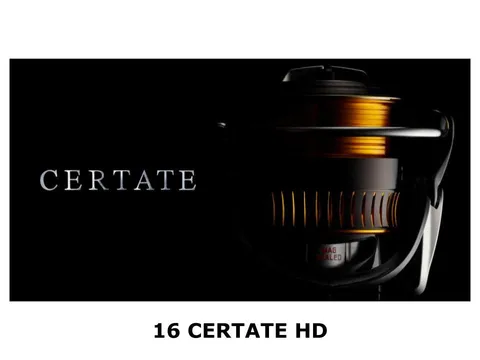
Wired2Fish's best-overall reel for 2026, the new Certate HD wraps Daiwa's one-piece Monocoque aluminum body and Magsealed tech into a 'heavy duty' package that's astonishingly light, about 8.5 oz in the 3000 size with 22 lbs of drag. It's the thinking angler's alternative to the Stella for crossover fresh/salt duty.

Best for: Anglers splitting time between trophy freshwater and inshore salt who want one premium reel.

Monocoque aluminum body delivers metal-frame rigidity at near-carbon weight · Magseal on shaft and line roller provides real corrosion protection for inshore salt · 22 lb drag and big Digigear in the 3000 size, legitimate big-fish capability in a compact reel

$550+ is deep in flagship territory without the Stella's resale cachet · Magseal service must go through Daiwa, DIY maintenance voids the magic

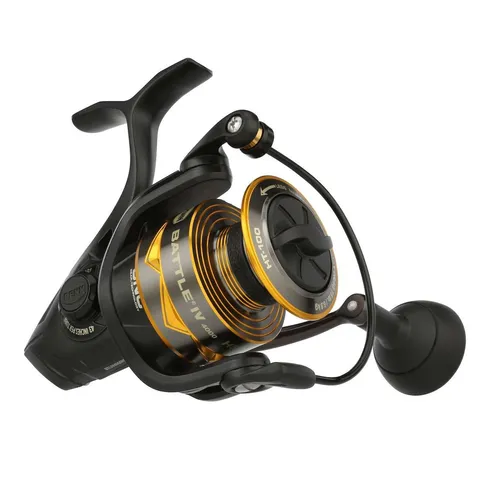
Penn Battle IV
Mid-range

8. Penn Battle IV

Penn

$135–$175

The Battle IV gives you most of the Slammer's saltwater toughness (full metal body, CNC gears, HT-100 carbon drag, new Hydro Armor sealing), at less than half the price. Salt Strong's long-term testing found it solid, smooth, and consistent, and it's the inshore default for thousands of anglers.

Best for: Inshore saltwater anglers who want Penn toughness without the Slammer price.

Full-metal body and CNC gear train at a $135–$175 street price · HT-100 carbon drag is proven across decades of Penn reels · Hydro Armor sealing meaningfully improves salt resistance over the Battle III

Heavier than freshwater-oriented competitors at the same price · Sealing is splash-resistant, not Slammer-grade IPX6, don't dunk it

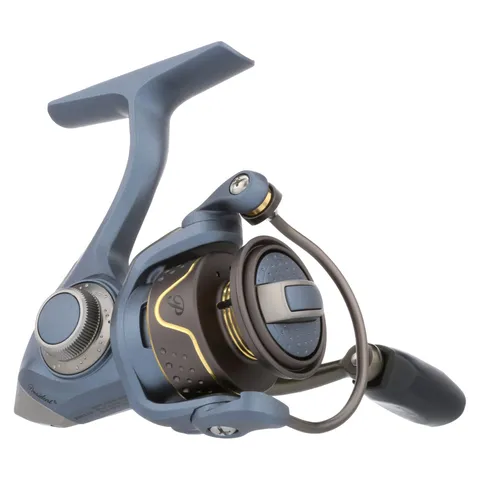
Pflueger President
Best BudgetBudget

9. Pflueger President

Pflueger

$50–$75

The President has been the gateway drug to quality fishing tackle for two decades: a 7–10 bearing system, sealed oil-felt drag, and a graphite body that keeps weight down, all for well under $75. Field & Stream and Outdoor Life testers keep returning it to their under-$100 podiums year after year.

Best for: Beginners and ultralight trout/panfish anglers wanting the most reel under $75.

Smoothness and drag start-up that embarrass reels twice its price · Lightweight graphite build is ideal for trout and panfish rods · Twenty years of proven reliability and easy parts availability

Modest max drag (the smaller sizes top out under 10 lbs) · Graphite body and unsealed internals make it a freshwater-first reel

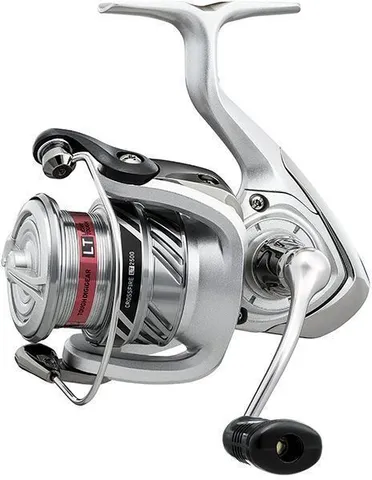
Daiwa Crossfire LT
Budget

10. Daiwa Crossfire LT

Daiwa

$35–$50

At $35–$50 across the whole size run, the Crossfire LT is the best answer for a first reel, a kid's reel, or a glovebox spare, and the LT redesign cut roughly 20 percent of the old Crossfire's weight while adding Daiwa's ATD drag. It fishes like a reel that should cost twice as much.

Best for: First-reel buyers, kids, and anyone outfitting spare rods on a tight budget.

Genuinely smooth ATD Type-L drag at an under-$50 price · LT redesign makes it light enough for all-day casting · Full size range (1000–6000) so the platform scales from trout to light salt

Three-bearing system feels less silky than the President's · Graphite construction and minimal sealing mean it's a fair-weather freshwater tool

How we choose

We selected these ten reels by cross-referencing 2026 hands-on test results from independent outlets (Outdoor Life's tested reviews, Wired2Fish's freshwater and saltwater buyer's guides, Salt Strong's long-term reports) with manufacturer spec sheets and current street prices at Tackle Warehouse, Bass Pro Shops, and Amazon, then ranking by overall recommendation (how much reel you get for the money, proven durability, and breadth of use), not by price. Budget picks (under ~$110) are judged on whether they fish above their price without early failure; mid-tier reels ($130–$260) on whether they deliver near-flagship smoothness and drag for everyday anglers; and premium reels ($300+) on sealing, machined internals, and the kind of multi-year saltwater durability that justifies the spend. We have no relationship with any brand listed, no manufacturer saw this guide before publication, and no placement was paid for; affiliate links, where present, do not affect rankings.

Common questions

For trout, panfish, and finesse bass, a 1000–2500 size is ideal. A 2500–3000 is the do-it-all freshwater size for bass and walleye and also handles light inshore work. For redfish, snook, and general inshore saltwater, go 3000–4000. Surf casting and offshore jigging call for 4500–8000+, where drag strength and line capacity matter more than weight.

Occasionally, yes, if you rinse it with fresh water immediately afterward. But unsealed reels let salt creep into bearings and gears, and corrosion will eventually make them gritty. If you fish salt more than a few times a year, buy a reel with real sealing (Penn's IPX-rated bodies, Daiwa's Magseal) or an aluminum-bodied workhorse like the Daiwa BG that tolerates rinse-and-go maintenance.

For most anglers, no, a $200 Stradic FM delivers 90 percent of the experience. The Stella's case is durability and feel under load: tighter tolerances, better sealing, and smoothness that holds up after years of hard use. If you fish 100+ days a year, guide for a living, or chase fish that punish gear, it amortizes. If you fish a dozen weekends a season, put the difference into rods or line.

The ratio is how many times the rotor spins per handle turn, higher means faster line pickup. A 6.0:1-plus 'high gear' (HG/XG) suits techniques where you pick up slack fast, like jerkbaits or working a jig. Lower ratios (5.2:1 and under) give more cranking torque for slow-rolling baits or fighting strong fish. If you're buying one reel, a mid ratio around 5.7–6.2:1 is the safest pick.

Less than the marketing suggests. You'll rarely fish more than a third of a reel's max drag: 8–10 lbs is plenty for bass and trout, 15–20 lbs covers nearly all inshore saltwater, and 30+ lbs only matters for tuna, big roosterfish, and heavy surf work. Smoothness, drag that starts without a jerk and stays consistent, matters far more than the headline number.

Three habits cover 90 percent of it: rinse (don't soak) the reel with a light freshwater spray after every salt session with the drag cranked tight, back the drag off for storage, and get a proper clean-and-grease service every season or two. Never dunk a non-sealed reel, and don't blast it with a hose, pressure drives salt past the seals.

Some links are affiliate links, and we may earn a commission at no extra cost to you. It never affects our rankings.

In your pocket

Take every fishing spot with you.

Free, no account needed. River levels, maps, and an AI fish identifier in your pocket.

  • Every charter, guide, and access point in your pocket

  • Snap a photo. AI names the catch

  • Public-land boundaries so you know the bank is open

  • GPS tracking that keeps recording on water with no signal

The Angling Hubs app dashboard

For operators

Run your fishing business?
Launch your branded surface.

Get your own branded surface in the Angling Hubs app and a directory listing in minutes. Bookings, digital waivers, and your whole operation live in one cockpit.