Fishing Guides · Alaska
Fishing Guides in Alaska
Cast 22 guides across Alaska. Maps, hours, contact info, photos, and verified operator profiles, all in one place.
America's last great frontier. Fjords, glaciers, and 17 of the 20 highest peaks in the country.
About Alaska
Best time to go
When to fish in Alaska
June through early September. Long days and an accessible interior.
- July–October: peak salmon returns
- December–March: winter steelhead season
- Run timing is river-specific and heavily regulated, so check locally
22 on the map
Tap a pin to open its profile.
Quick facts
- Fishing spots mapped
- 2,500
- Rivers mapped
- 59
- Guides listed
- 22
- Best season
- June through early September
All listings
22 guides
across Alaska
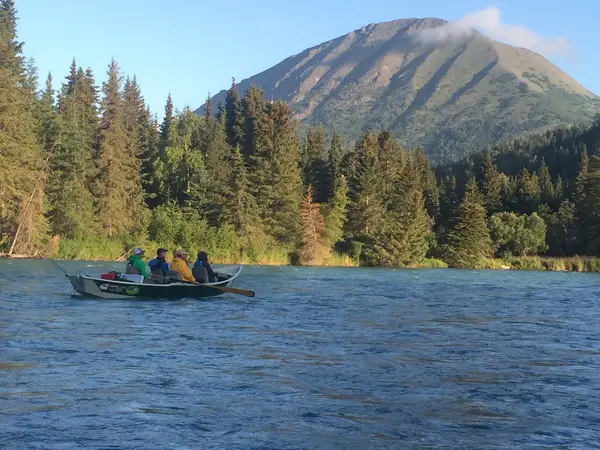
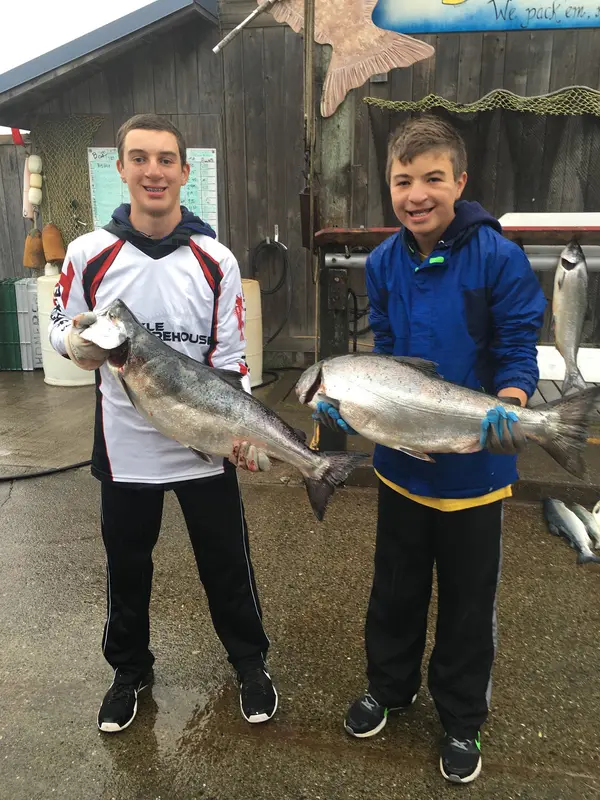
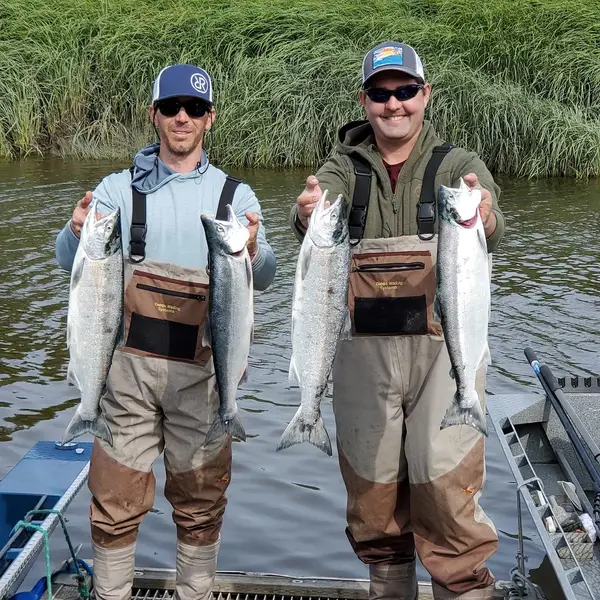
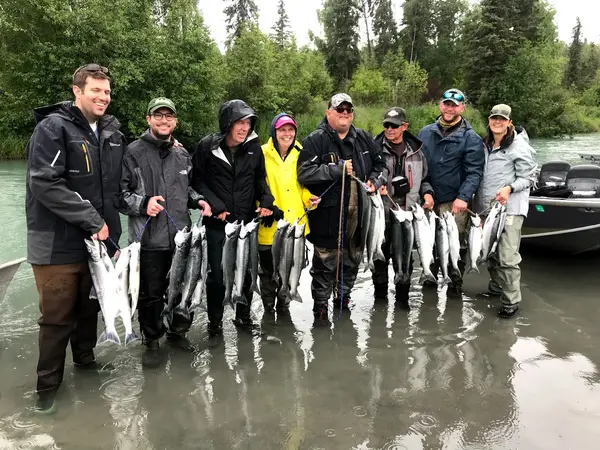
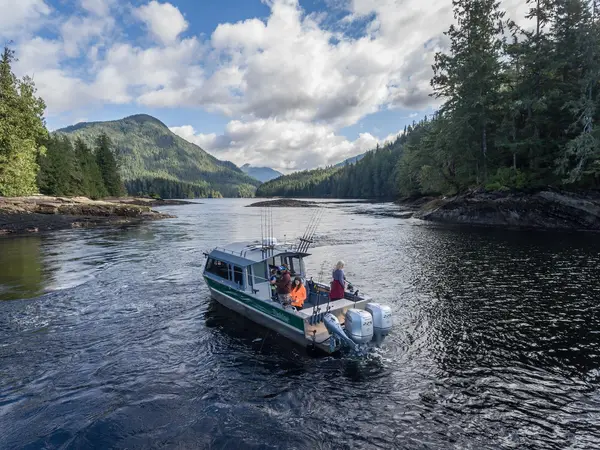
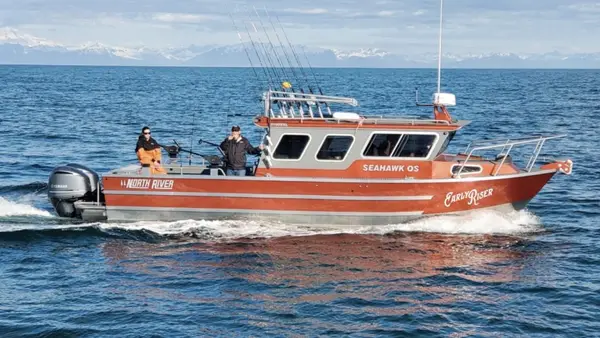
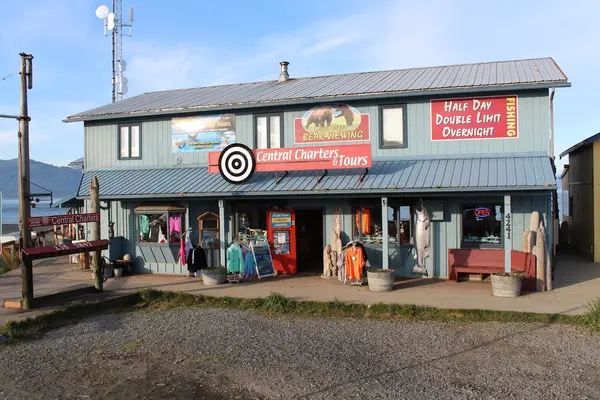
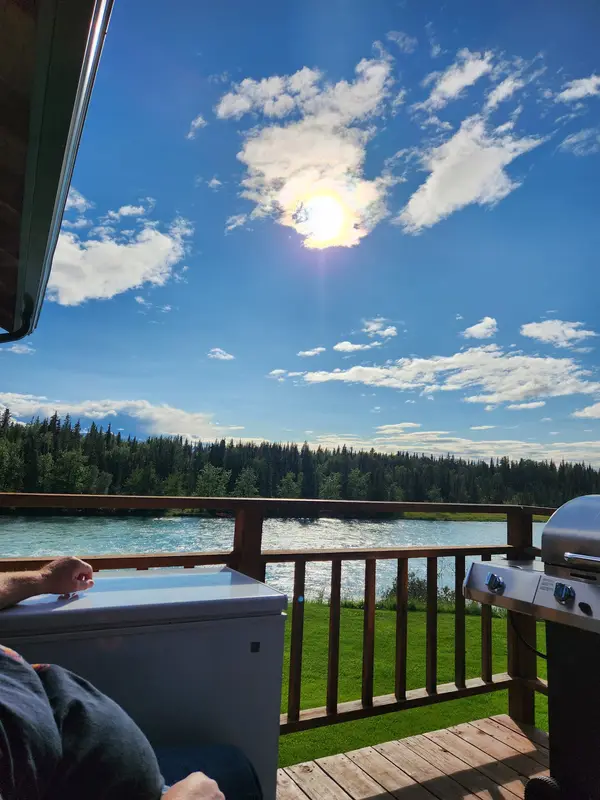
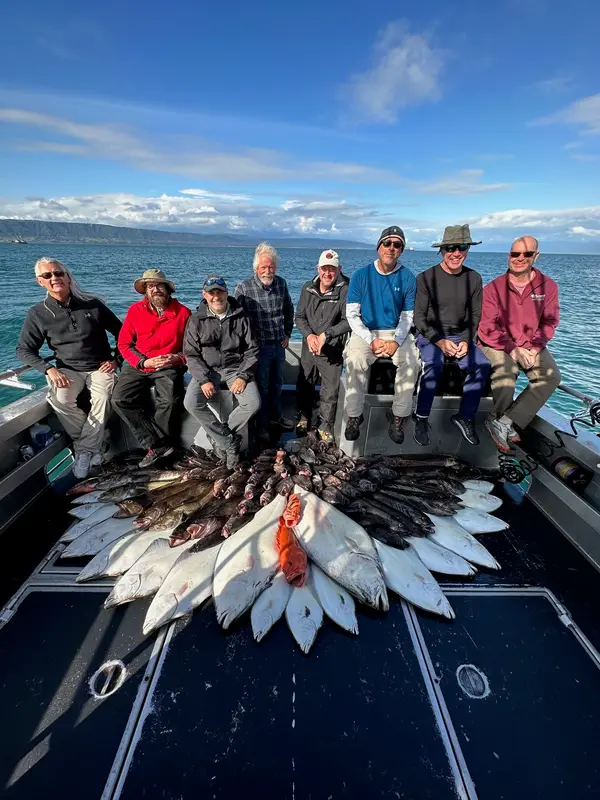
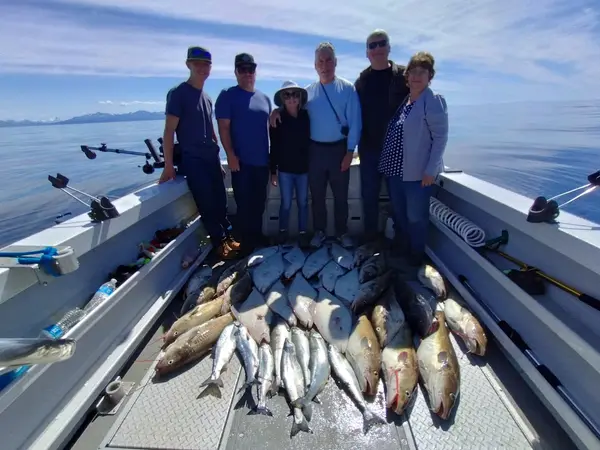
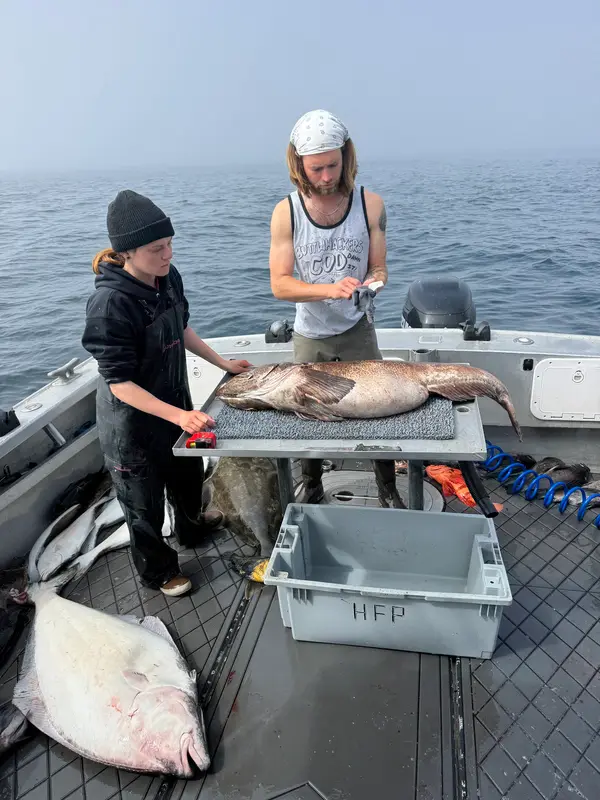
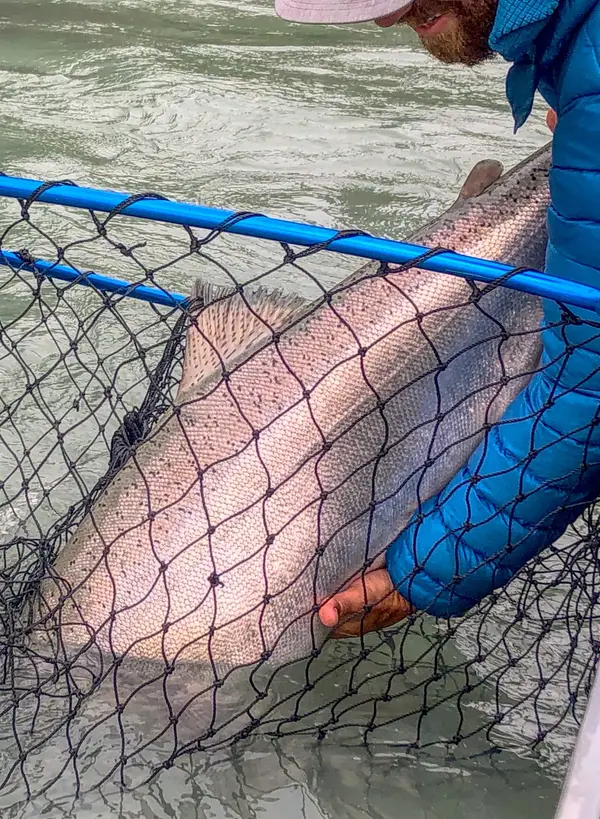
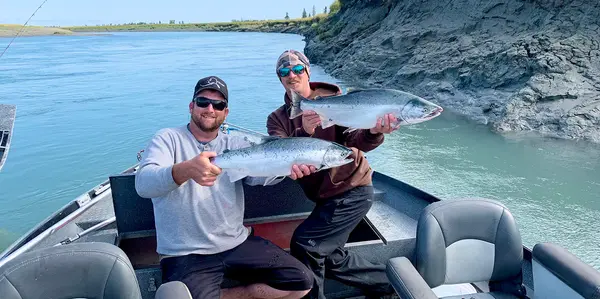
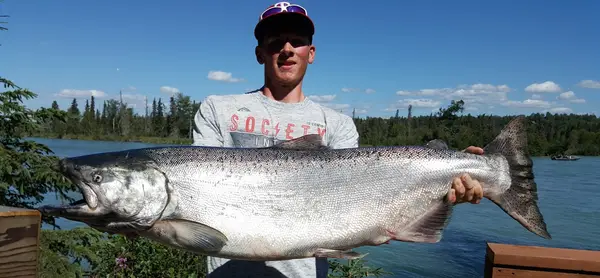
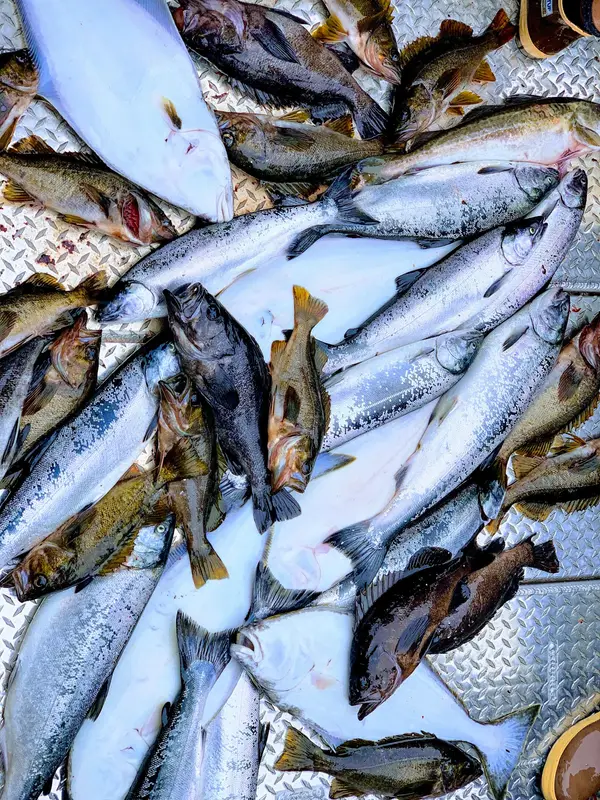
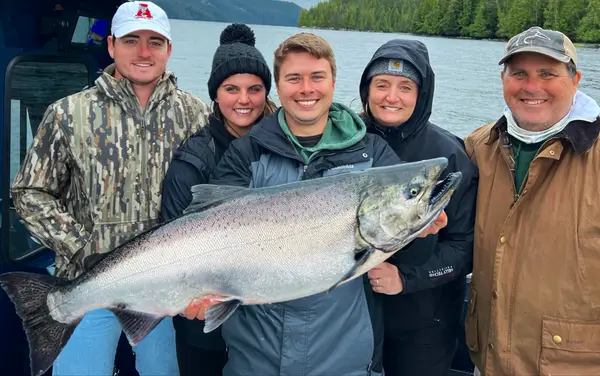
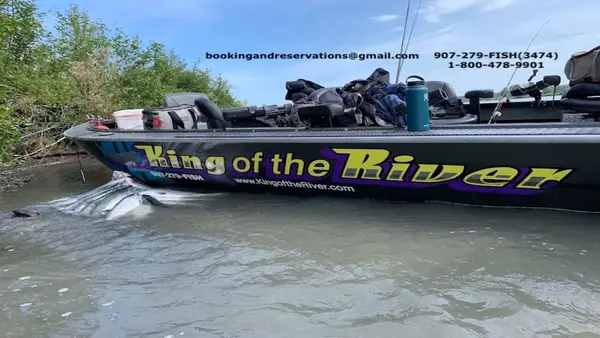
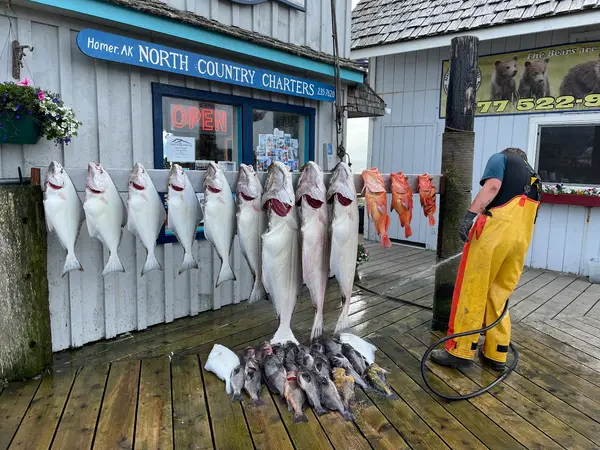
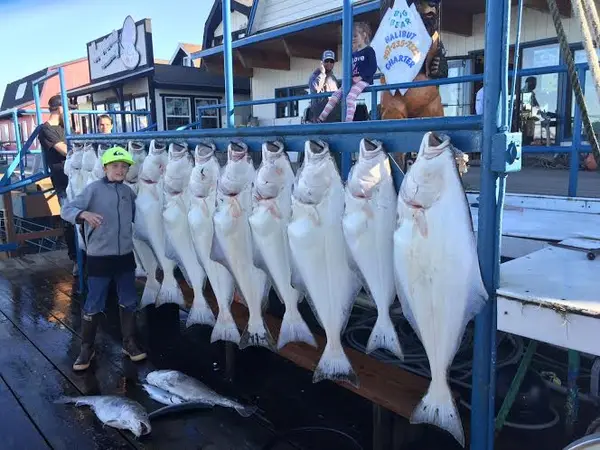
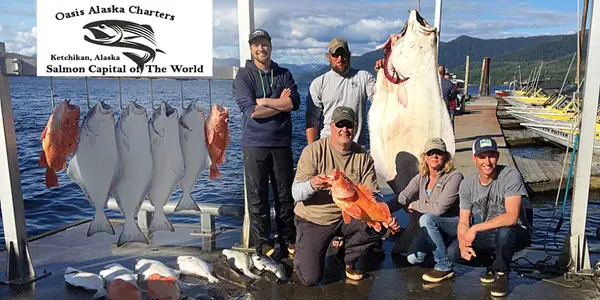
Watch it live
Live webcams in Alaska
 Location
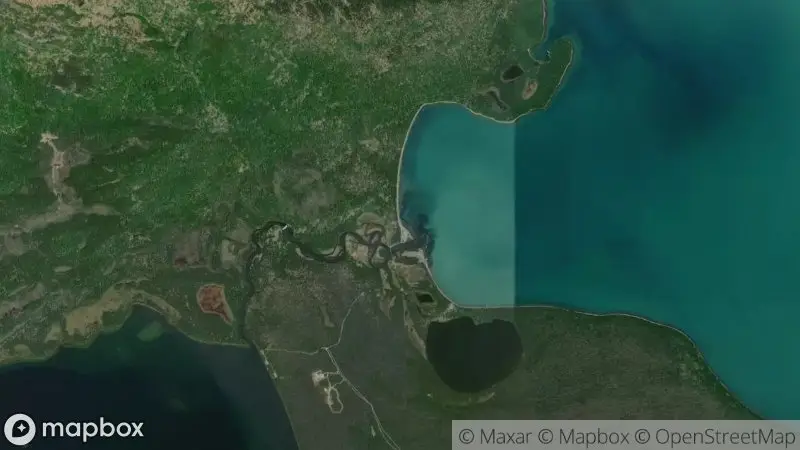
Brooks Falls Brown Bear & Salmon Cam (Katmai)
via explore.org
Watch live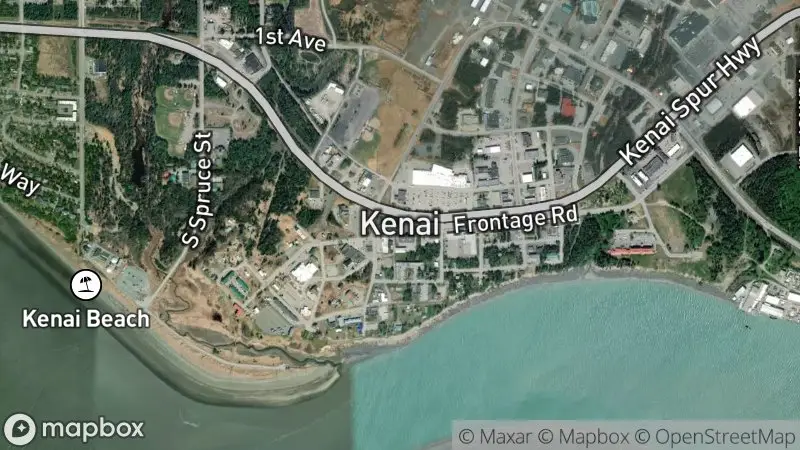 Location
Kenai River Mouth Dipnet Cams
via City of Kenai
Watch livePlan your trip
Plan your trip to Alaska
Fishing License Requirements
All non-residents aged 16 and older must possess a valid Alaska fishing license. Residents typically require a license from age 18. Additionally, a King Salmon stamp is required to fish for King Salmon by anyone old enough to need a license. Verify current requirements with the Alaska Department of Fish and Game (ADF&G) before your trip.
Target Species by Season
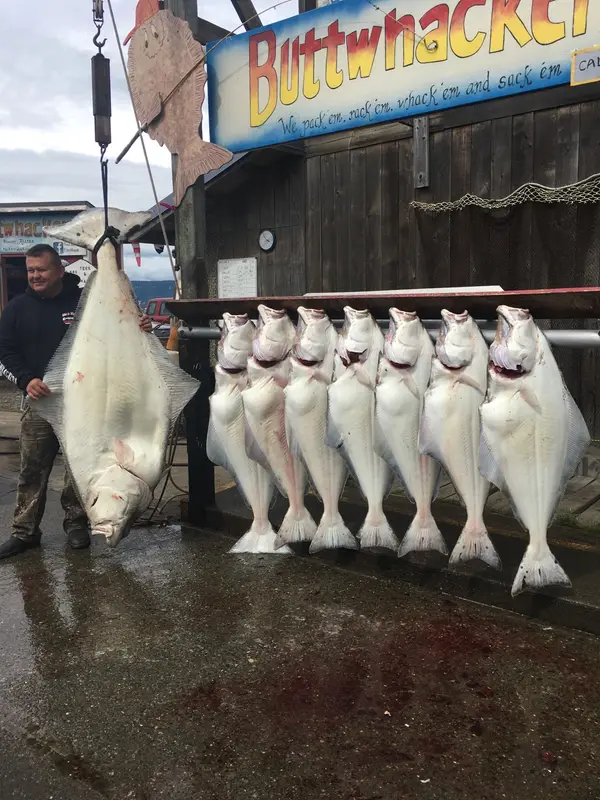
Peak fishing opportunities vary significantly by season and region. Summer is best for all salmon species, halibut, and trout. Spring offers early Kings and steelhead, while fall is excellent for Coho salmon and large rainbow trout. Always discuss target species and optimal timing with your chosen guide or charter operator.
Freshwater vs. Saltwater Options
Alaska provides distinct guided experiences for both freshwater and saltwater. Freshwater trips often involve drift boats or wade fishing for salmon, trout, and char in rivers and streams. Saltwater charters typically operate larger vessels for halibut, salmon, and other bottomfish in bays, inlets, and offshore waters. Some guides offer combination trips.
Peak Runs and Spawns
Salmon runs are highly anticipated events, with specific timing for each species varying annually and by river system. For example, Kenai River King Salmon typically run from mid-May through July, while sockeye runs peak in July. Guided trips are often booked far in advance to coincide with these peak periods. Consult with your guide for precise timing.
What a Guided Trip Typically Includes
Most guided fishing trips in Alaska include all necessary fishing gear, bait, and tackle. Many saltwater charters also provide basic rain gear and often process your catch (filleting). Freshwater guides may offer waders and boots. Meals, snacks, and beverages vary by operator and trip duration. Licenses, stamps, and fish processing beyond basic filleting are usually extra.
Confirm current requirements with the state agency before your trip. Rules and fees change every season.
Alaska Sport Fishing License
Every angler aged 16 or older (non-resident) or 18 or older (resident) must purchase an Alaska Sport Fishing License. Non-resident licenses are available for various durations (1-day, 3-day, 7-day, 14-day, annual). Specific conservation stamps may also be required depending on residency and license type.
King Salmon Stamp
Any angler required to hold a sport fishing license (residents 18 and older, non-residents 16 and older), must also carry a King Salmon Stamp to fish for King Salmon (Chinook). Anglers too young to need a license are exempt. This stamp is mandatory for retention or even catch-and-release of King Salmon in many areas. Verify stamp requirements for your specific fishing location and target species.
Harvest Limits and Regulations
Alaska has strict daily and annual harvest limits, size restrictions, and gear restrictions for all sport fish species, which can vary significantly by region, river, and date. It is the angler's responsibility to know and follow all current regulations. Guided fishing operators are generally well-versed in these rules, but always confirm with the Alaska Department of Fish and Game.
- 01
Define Your Fishing Goals
Kings on a river, a trophy halibut, or a fly rod on a remote trout stream, pick the trip first. The target species and fishing style determine both the region and the month, which narrows the guide search fast.
- 02
Research and Select a Guide or Charter
With the goal set, look for operations that specialize in that water and that species. Weigh reviews, licensing, and track record, plus the practical stuff: boat type, group size, and exactly what the package covers.
- 03
Book Your Trip in Advance
Peak salmon weeks fill early, the good guides sell out months ahead, sometimes a full year. Lock in dates as soon as you know your window rather than hoping for a cancellation.
- 04
Understand License and Regulation Requirements
Sort out your Alaska fishing license, the King Salmon stamp if Kings are on the menu, and the harvest limits for your water. Guides will point you in the right direction, but compliance is on you.
- 05
Prepare Your Gear and Travel Logistics
Guides supply most of the fishing equipment; confirm what's on you: layers, rain gear, sunglasses, personal items. Then handle the rest of the trip: travel, lodging, and a plan for processing and shipping fish if you intend to bring your catch home.
01What is the best time of year to go guided fishing in Alaska?
02Do I need a fishing license for a guided trip?
03What kind of fish can I expect to catch on a guided trip in Alaska?
04What should I bring on my guided fishing trip?
05Will the guide clean and process my fish?
06What is the typical cost of a guided fishing trip in Alaska?
Watch & learn
Watch & learn, Alaska
Kenai River SOCKEYE SALMON Fishing! (Fly Fishing ALASKA!)
Kevin Rapkoch Fishing
0Barn Door Battle! Halibut Fishing Juneau, Alaska JULY 2019
Captain Zac
0Fishing the Silver Salmon Capital of the World When THIS Happened!
Alaska Small Craft Adventures
0
Free tools
Your free outdoor toolkit
Everything Map
Listings, trails, spots, clubs and public land on a single full-screen map. Switch layers on and off, then tap any point for the details.
Open Everything MapFishing Spots
Browse 24,783 named waters, then read the state stocking record: species, size, and when.
Open Fishing SpotsRiver Explorer
Explore named rivers from the USGS hydrography dataset. Filter by water type or whitewater class.
Open River ExplorerRoute Planner
Drop stops on a map and watch distance and drive time add up. Export a GPX or share the link.
Open Route PlannerFishing Clubs
Browse local clubs with meeting info and how to join, or start your own for free.
Open Fishing ClubsPhoto ID
Point your camera at whatever you found and get a structured identification. No signup.
Open Photo ID