Fishing Guides · West Virginia
Fishing Guides in West Virginia
Cast 9 guides across West Virginia. Maps, hours, contact info, photos, and verified operator profiles, all in one place.
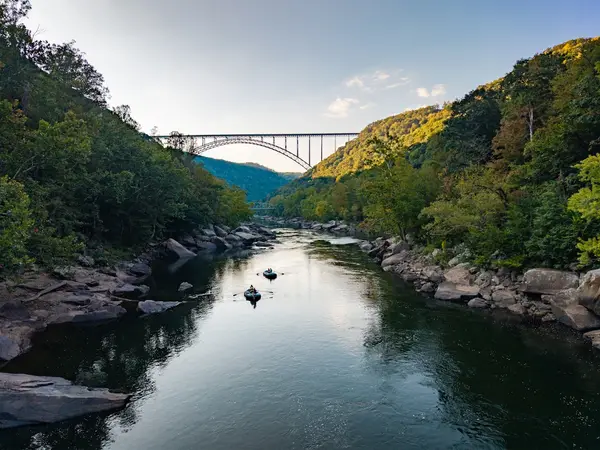
Mountain State. Monongahela, the New River Gorge, and the Allegheny Plateau.
About West Virginia
Best time to go
When to fish in West Virginia
April through November.
- March–May: the spring spawn is prime time for big bass
- October–November: a strong fall feed-up
- Summer: fish dawn, dusk, and deeper water in the heat
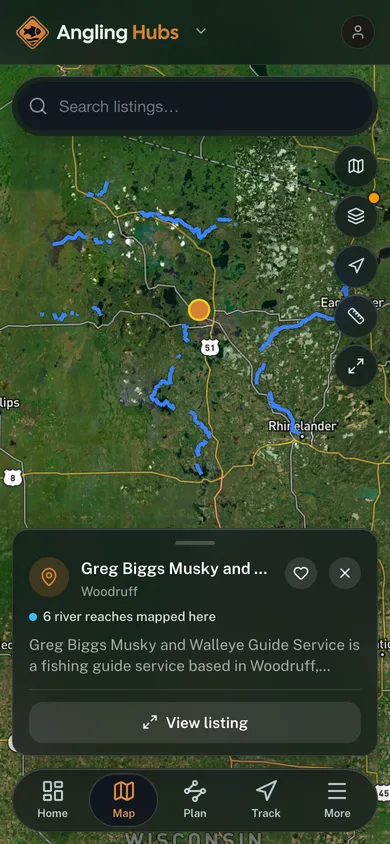
9 on the map
Tap a pin to open its profile.
Quick facts
- Fishing spots mapped
- 259
- Rivers mapped
- 117
- Guides listed
- 9
- Best season
- April through November
All listings
9 guides
across West Virginia
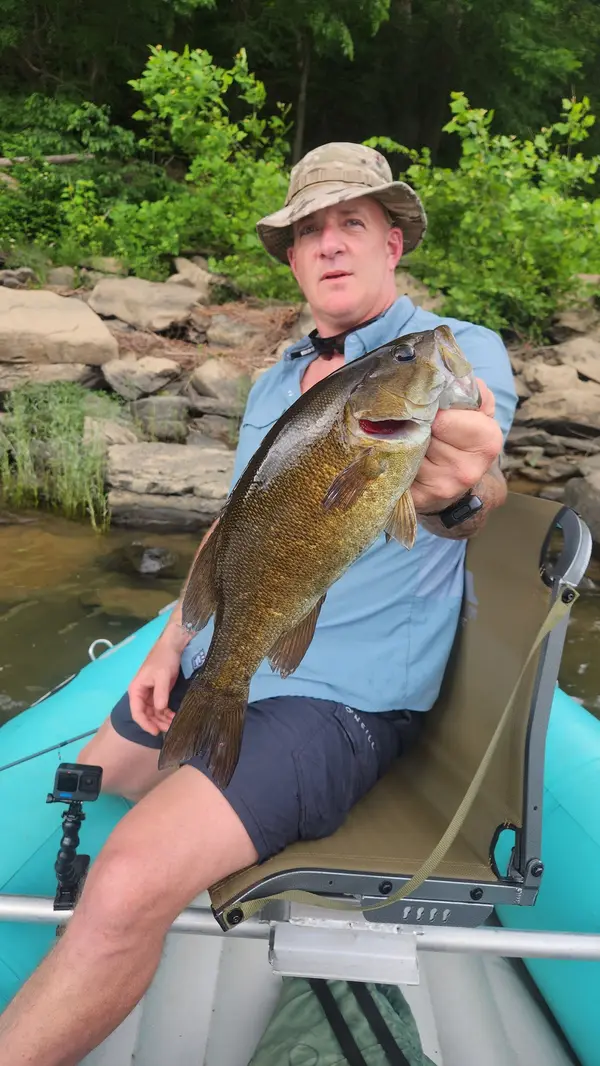
Plan your trip
Plan your trip to West Virginia
Target Species by Season
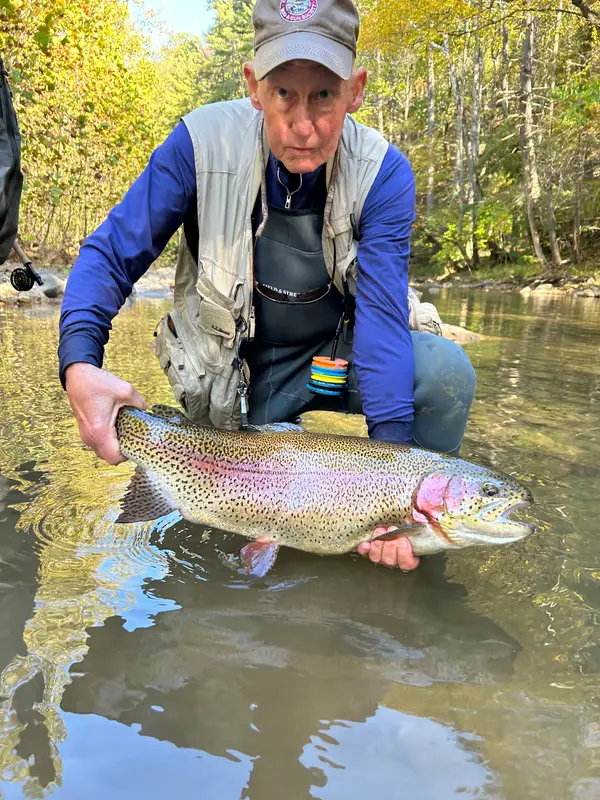
West Virginia offers diverse freshwater species. Spring and Fall are excellent for trout (Rainbow, Brown, Brook) and smallmouth bass. Summer focuses on smallmouth bass, musky, and catfish. Winter provides opportunities for musky and walleye. Guides will tailor trips to the most active species.
Fishing License Requirements
All anglers aged 15 and older, including non-residents, must possess a valid West Virginia fishing license. A trout stamp is additionally required if fishing for or possessing trout. Guides typically do not provide licenses, so purchase yours beforehand.
Freshwater Only
West Virginia is a landlocked state; therefore, all guided fishing opportunities are exclusively freshwater. There are no saltwater or inshore/offshore fishing options available within the state's borders. Focus on its abundant rivers, streams, and lakes.
Peak Runs and Spawns
Trout stocking occurs frequently in spring and fall, creating peak opportunities. Smallmouth bass pre-spawn activity is strong in spring, typically April and May, offering excellent chances for larger fish. Musky activity peaks in fall and through early winter.
What a Guided Trip Typically Includes
Most guided fishing trips in West Virginia include the boat, necessary fishing gear (rods, reels, tackle), bait or flies, and the guide's expertise. Clients are usually responsible for their fishing license, appropriate clothing, food, drinks, and gratuities.
Confirm current requirements with the state agency before your trip. Rules and fees change every season.
West Virginia Fishing License
All individuals aged 15 and older must possess a valid West Virginia fishing license to fish in the state's public waters. Non-residents have various license options, including annual and short-term licenses. Ensure your license is current for the duration of your trip.
Trout Stamp
In addition to a general fishing license, a West Virginia Trout Stamp is required for any angler who intends to fish for or possess trout in the state. This stamp contributes to the state's robust trout stocking and management programs.
Catch Limits and Regulations
Anglers must adhere to all state-specific catch limits, size restrictions, and season dates for various fish species. These regulations can vary by water body and species. Your fishing guide will be knowledgeable about current rules, but it is ultimately the angler's responsibility to comply.
Boater Safety (Client Responsibility)
While your fishing guide will be a licensed and experienced boat operator, if you plan any independent boating activities, be aware of West Virginia's boating safety regulations. Individuals born on or after December 31, 1986, must complete a boating safety course to operate a motorboat or PWC in West Virginia.
- 01
Define Your Fishing Goals
Smallmouth, trout, or musky, and fly rod or spinning gear? Those two answers narrow West Virginia's guides and rivers down to a short, useful list.
- 02
Research and Select a Guide
Browse guided fishing charters in West Virginia on Angling Hubs, filtering for your target species and region. Weigh experience, services, and what past clients actually say.
- 03
Book Your Trip and Confirm Details
Talk to your guide about dates, pricing, and specifics: what's included (gear, bait, lunch) and what's on you. Peak-season dates go fast, so book early.
- 04
Obtain Necessary Licenses and Stamps
Buy your West Virginia fishing license, and a trout stamp if trout are on the menu, online through the WV DNR website before the trip. Your guide can't handle this part for you.
- 05
Prepare for Your Trip
Mountain weather turns quickly, so pack rain gear, layers, and sun protection regardless of the forecast. Add snacks, drinks, any medications, and a camera.
01Do I need a fishing license for a guided trip in West Virginia?
02What kind of fish can I expect to catch with a guide in West Virginia?
03Is saltwater fishing available with guides in West Virginia?
04What is the best time of year for guided fishing in West Virginia?
05What should I bring on a guided fishing trip?
06Are guided trips suitable for beginners?
Free tools
Your free outdoor toolkit

Everything Map
Listings, trails, spots, clubs and public land on a single full-screen map. Switch layers on and off, then tap any point for the details.
Open Everything MapFishing Spots
Browse 24,783 named waters, then read the state stocking record: species, size, and when.
Open Fishing SpotsRiver Explorer
Explore named rivers from the USGS hydrography dataset. Filter by water type or whitewater class.
Open River ExplorerRoute Planner
Drop stops on a map and watch distance and drive time add up. Export a GPX or share the link.
Open Route PlannerFishing Clubs
Browse local clubs with meeting info and how to join, or start your own for free.
Open Fishing ClubsPhoto ID
Point your camera at whatever you found and get a structured identification. No signup.
Open Photo ID
Keep exploring