Fishing Guides · Virginia
Fishing Guides in Virginia
Cast 21 guides across Virginia. Maps, hours, contact info, photos, and verified operator profiles, all in one place.
Shenandoah, the Chesapeake, and the southern Appalachians.
About Virginia
Best time to go
When to fish in Virginia
April through November.
- March–May: the spring spawn is prime time for big bass
- October–November: a strong fall feed-up
- Summer: fish dawn, dusk, and deeper water in the heat
21 on the map
Tap a pin to open its profile.
Quick facts
- Fishing spots mapped
- 1,902
- Rivers mapped
- 310
- Guides listed
- 21
- Best season
- April through November
All listings
21 guides
across Virginia
Plan your trip
Plan your trip to Virginia
Target Species by Season
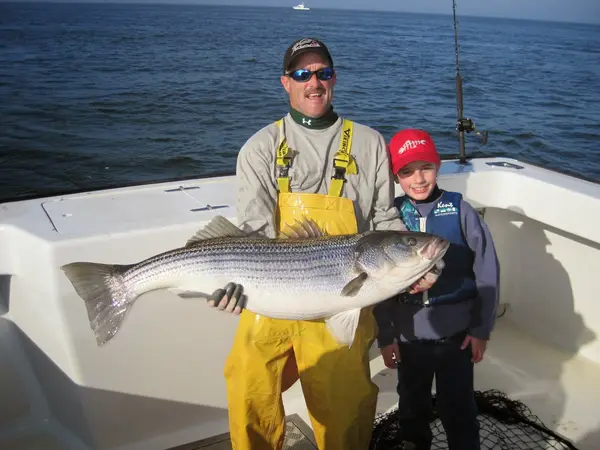
Virginia's diverse waters mean target species vary significantly by season and location. Spring brings striped bass and trout, summer features offshore pelagics and inshore cobia, fall is prime for large striped bass, and winter offers deepwater rockfish. Discuss your preferences with your guide to align with seasonal availability.
Fishing License Requirements
All anglers aged 16 and older require a valid Virginia fishing license. Depending on whether you're fishing freshwater or saltwater, and whether from a boat or shore, different license types apply. Guided trips often require anglers to possess their own license, even though the guide holds commercial licenses for the vessel.
Freshwater vs. Saltwater Options
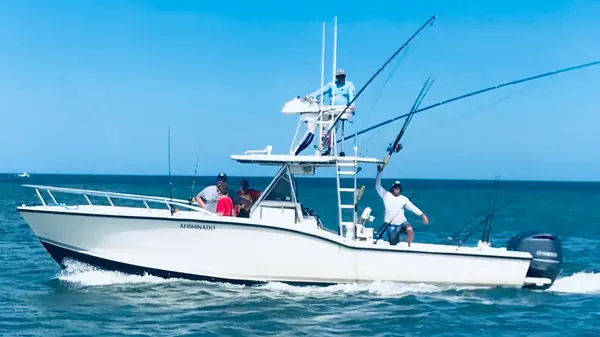
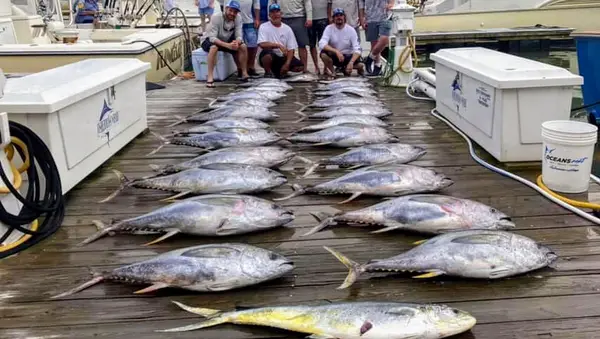
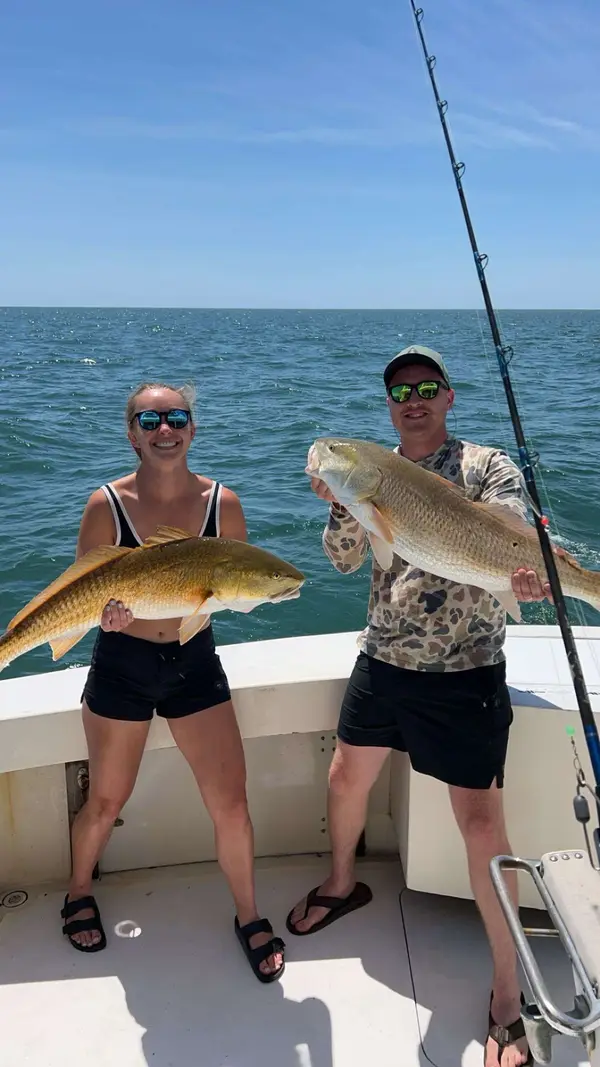
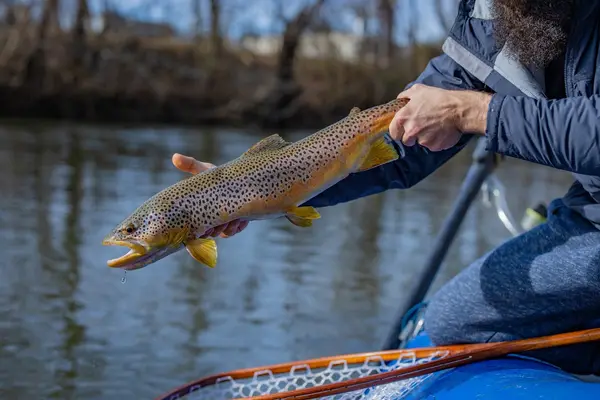
Virginia offers both. Freshwater guides operate on inland lakes and rivers for bass, trout, and musky. Saltwater guides specialize in the Chesapeake Bay (inshore/nearshore for stripers, red drum, flounder) or the Atlantic Ocean (offshore for tuna, mahi-mahi, or nearshore for cobia). Be clear about your preference when booking.
Peak Runs and Spawns
Key periods include the spring striped bass migration into the Bay, summer offshore pelagic runs, the fall striped bass return, and various freshwater spawns. Booking well in advance for these peak times is highly recommended, as guides' schedules fill quickly. Your guide will know the best times for specific fish.
What a Guided Trip Typically Includes
Most guided fishing trips in Virginia include all necessary fishing gear, bait, tackle, and safety equipment. Guides provide expert knowledge of local waters, current conditions, and effective techniques. Anglers are generally expected to bring their fishing license, appropriate clothing, food, drinks, and sun protection.
Confirm current requirements with the state agency before your trip. Rules and fees change every season.
Virginia Fishing License
Anyone 16 years of age or older must possess a valid Virginia fishing license to fish in the Commonwealth's waters. This includes both residents and non-residents. The specific type of license required depends on whether you plan to fish in freshwater or saltwater, and if you're targeting certain species.
Virginia DWRSaltwater Recreational Fishing License
For fishing in saltwater, tidal waters, or for anadromous species like striped bass, a Virginia Saltwater Recreational Fishing License is required. This license covers fishing from shore, piers, or private boats in tidal waters. When fishing from a licensed saltwater charter boat or headboat, passengers are covered by the vessel's for-hire license and do not need their own saltwater license, it's a specific exemption under Virginia law. Just confirm your captain holds the required charter/headboat license.
Virginia Marine Resources CommissionFreshwater Fishing License
Anglers targeting freshwater species in Virginia's non-tidal rivers, lakes, and ponds must possess a valid Freshwater Fishing License. This license is separate from the saltwater license and ensures compliance with state regulations for inland fisheries management. Certain waters, like designated trout streams, may require additional stamps or permits.
Virginia DWR
- 01
1. Define Your Fishing Goals
Fresh or salt, striper or trout, fly rod or trolling spread, Virginia offers enough that you have to choose. Deciding what kind of day you want is the fastest way to shorten the list of guides.
- 02
2. Research and Select a Guide
Match the guide to the fish: check what species and region they actually specialize in, what kind of boat they run, and what past clients say. Reputation is the most reliable signal you'll get.
- 03
3. Book Your Trip in Advance
The best captains are spoken for well before the big runs arrive. Contact your guide early to claim your dates and get pricing and trip details settled while the calendar is still open.
- 04
4. Obtain Necessary Fishing Licenses
Buy the right Virginia license (freshwater, saltwater, or combined), for everyone in your party aged 16 and up. Ask your guide whether your target water needs any extra stamps or endorsements.
- 05
5. Prepare for Your Outing
Pack for the forecast: layers, sunscreen, sunglasses, a hat, snacks, and drinks. Confirm the meeting time and dock with your guide the day before, and show up ready to fish.
01Do I need a fishing license for a guided trip in Virginia?
02What's the difference between a freshwater and saltwater guide in Virginia?
03What should I bring on a guided fishing trip?
04Can beginners go on guided fishing trips?
05What species can I expect to catch in Virginia?
06Are guided fishing charters in Virginia family-friendly?
Free tools
Your free outdoor toolkit

Everything Map
Listings, trails, spots, clubs and public land on a single full-screen map. Switch layers on and off, then tap any point for the details.
Open Everything MapFishing Spots
Browse 24,783 named waters, then read the state stocking record: species, size, and when.
Open Fishing SpotsRiver Explorer
Explore named rivers from the USGS hydrography dataset. Filter by water type or whitewater class.
Open River ExplorerRoute Planner
Drop stops on a map and watch distance and drive time add up. Export a GPX or share the link.
Open Route PlannerFishing Clubs
Browse local clubs with meeting info and how to join, or start your own for free.
Open Fishing ClubsPhoto ID
Point your camera at whatever you found and get a structured identification. No signup.
Open Photo ID
Keep exploring