Fishing Guides · North Carolina
Fishing Guides in North Carolina
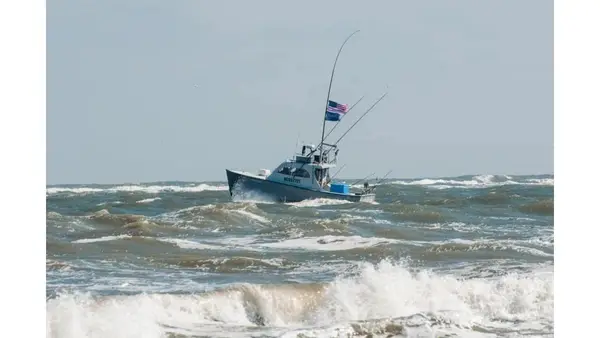
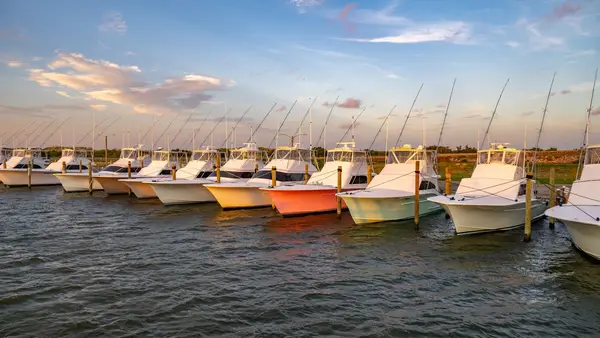
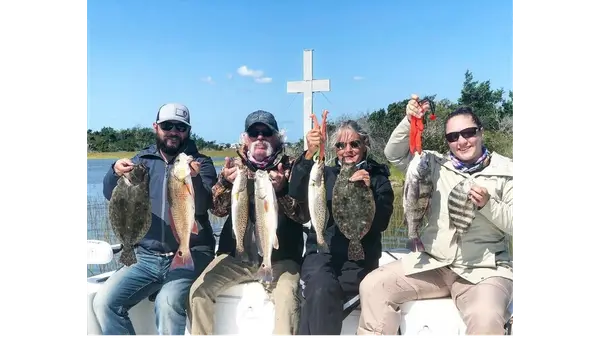
Cast 23 guides across North Carolina. Maps, hours, contact info, photos, and verified operator profiles, all in one place.
Outer Banks, the Smokies, and the longest segment of the Blue Ridge.
About North Carolina
Best time to go
When to fish in North Carolina
April through November.
- April–June and September–October: the most consistent inshore action
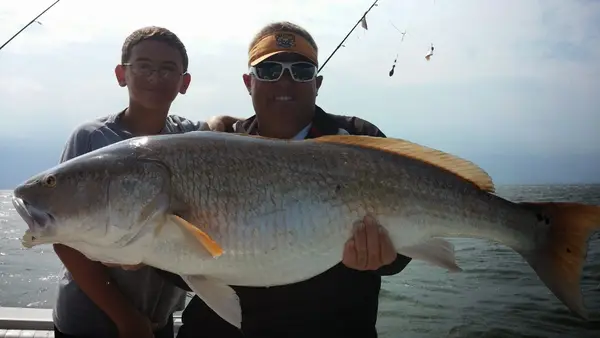
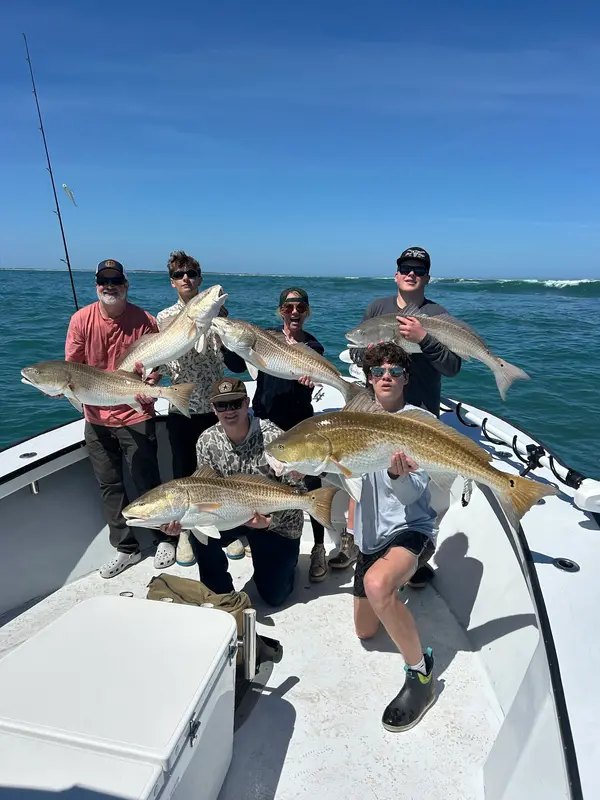
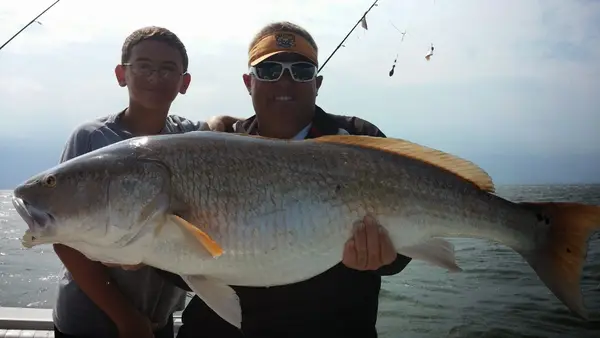
- Fall: bull-redfish run along the coast
- Winter: target deeper, warmer water on milder days
23 on the map
Tap a pin to open its profile.
Quick facts
- Fishing spots mapped
- 2,500
- Rivers mapped
- 149
- Guides listed
- 23
- Best season
- April through November
All listings
23 guides
across North Carolina
Watch it live
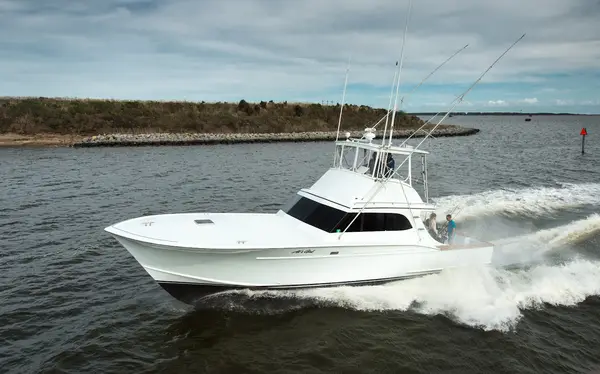
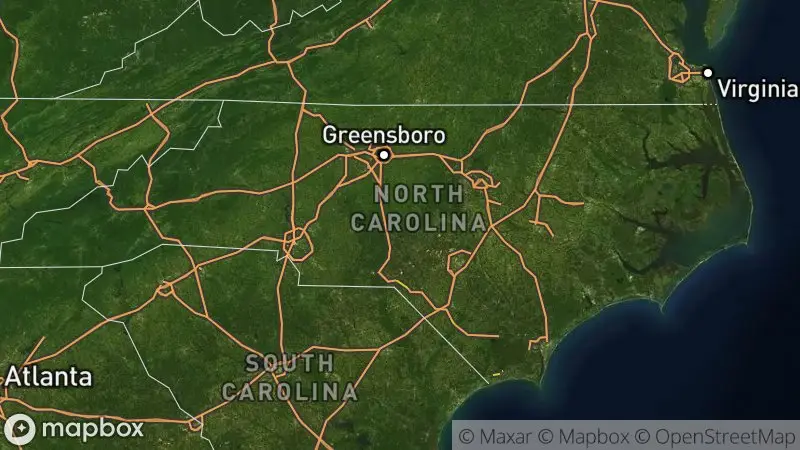
Live webcams in North Carolina
 Location
Outer Banks & NC Cams
via LiveBeaches
Watch live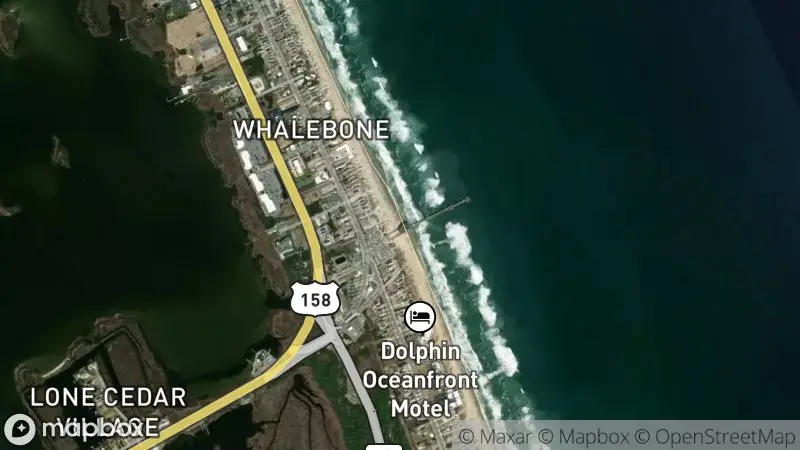 Location
Jennette's Pier Cam (Nags Head)
via SurfChex
Watch livePlan your trip
Plan your trip to North Carolina
Fishing License Requirements
All anglers aged 16 and older need a North Carolina fishing license. This includes both freshwater and saltwater recreational licenses, or a combination license. Guides typically do not provide client licenses, so secure yours before your trip.
Freshwater vs. Saltwater Options
North Carolina offers distinct experiences for freshwater and saltwater guided trips. Freshwater guides specialize in mountain trout, Piedmont bass, or river catfish, while saltwater guides focus on inshore species like red drum or offshore pelagics. Clarify your preference when booking to ensure the right expertise.
Target Species by Season
Different fish species are prevalent during specific seasons. For example, offshore tuna peaks in summer, while coastal striped bass runs are strong in fall and winter. Discuss seasonal targets with your guide to align expectations and maximize your chances for desired catches.
What a Guided Trip Typically Includes
Most guided fishing trips in North Carolina include the boat, fuel, an experienced captain, all necessary fishing tackle (rods, reels, bait, lures), and safety equipment. Some guides may also offer fish cleaning services. Confirm specific inclusions and any items you might need to bring, such as food, drinks, or weather-appropriate clothing.
Peak Runs and Spawns
Knowledge of peak fish runs and spawning seasons can significantly enhance a guided trip. Notable events include the spring crappie spawn in inland lakes, the fall coastal migration of striped bass, and the summer offshore push of mahi-mahi. Guides are experts on these timings and can advise on the best periods to visit for specific species.
Confirm current requirements with the state agency before your trip. Rules and fees change every season.
North Carolina Fishing License
All individuals 16 years of age or older must possess a valid North Carolina fishing license to fish in public waters. This applies to both residents and non-residents. On inland guided trips each angler needs their own license; on the coast, a for-hire captain may hold a blanket for-hire CRFL that covers everyone aboard. Specific licenses are required for freshwater, saltwater, or a combination of both.
Coastal Recreational Fishing License (CRFL)
For saltwater fishing in North Carolina, including estuaries and coastal waters, a Coastal Recreational Fishing License (CRFL) is mandatory. This license is separate from a basic freshwater license and covers most common saltwater species. It can be purchased as an annual, 10-day, or lifetime option.
Trout Privilege License
Fishing for trout in North Carolina's public mountain trout waters requires a North Carolina inland fishing license, trout-water access is now built into the standard inland (and unified/lifetime) licenses rather than sold as a separate 'trout privilege' add-on. A stand-alone Mountain Heritage Trout license is also offered for the designated Mountain Heritage Trout Waters.
Size and Creel Limits
North Carolina enforces specific size and creel (bag) limits for various fish species to ensure sustainable populations. These regulations can vary by species, body of water, and season. Guided trip clients must adhere to these limits, and guides are responsible for informing clients of current rules. Always confirm current regulations with your guide or the state agencies.
- 01
1. Determine Your Preferred Fishing Experience
Freshwater or salt? Mountain trout and lake bass call for one kind of guide; inshore red drum or offshore tuna call for another. Settle this first, it decides your region and your outfitter.
- 02
2. Research and Select a Guided Trip
Browse Angling Hubs for guides and charters working your chosen part of North Carolina. Read their profiles, check what species they actually specialize in, and note what's included and what kind of boat they run.
- 03
3. Book Your Trip and Confirm Details
Reach out to the guide directly to lock in dates, pricing, and logistics: what they provide, what you bring, and exactly where and when to meet. Do it well before your travel date.
- 04
4. Obtain Necessary Fishing Licenses
Buy the right North Carolina license before the trip: freshwater, saltwater, or combination, plus the trout privilege if you're headed to designated mountain trout waters. Everything is available online through the NC Wildlife Resources Commission.
01What types of fish can I expect to catch on a guided trip in North Carolina?
02Do I need to purchase a fishing license for a guided trip?
03What should I bring on a guided fishing trip?
04Are guided fishing trips suitable for beginners or families with children?
05What is the best time of year to book a guided fishing trip in North Carolina?
06What is the difference between an inshore and offshore guided trip?
Free tools
Your free outdoor toolkit
Everything Map
Listings, trails, spots, clubs and public land on a single full-screen map. Switch layers on and off, then tap any point for the details.
Open Everything MapFishing Spots
Browse 24,783 named waters, then read the state stocking record: species, size, and when.
Open Fishing SpotsRiver Explorer
Explore named rivers from the USGS hydrography dataset. Filter by water type or whitewater class.
Open River ExplorerRoute Planner
Drop stops on a map and watch distance and drive time add up. Export a GPX or share the link.
Open Route PlannerFishing Clubs
Browse local clubs with meeting info and how to join, or start your own for free.
Open Fishing ClubsPhoto ID
Point your camera at whatever you found and get a structured identification. No signup.
Open Photo ID
Keep exploring