Fishing Guides · South Carolina
Fishing Guides in South Carolina
Cast 22 guides across South Carolina. Maps, hours, contact info, photos, and verified operator profiles, all in one place.
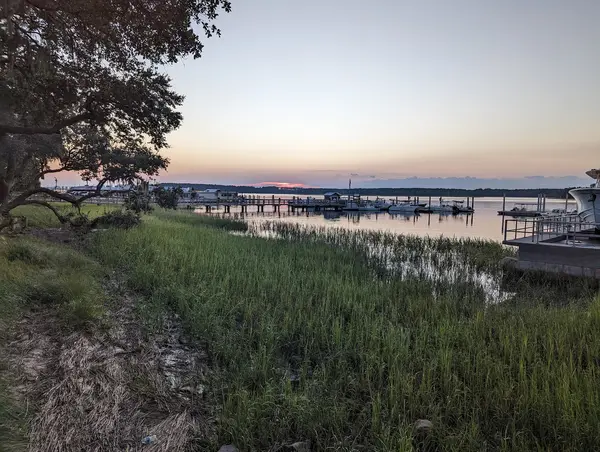
Lowcountry marsh, the Blue Ridge escarpment, and Atlantic barrier islands.
About South Carolina
Best time to go
When to fish in South Carolina
October through May.
- April–June and September–October: the most consistent inshore action
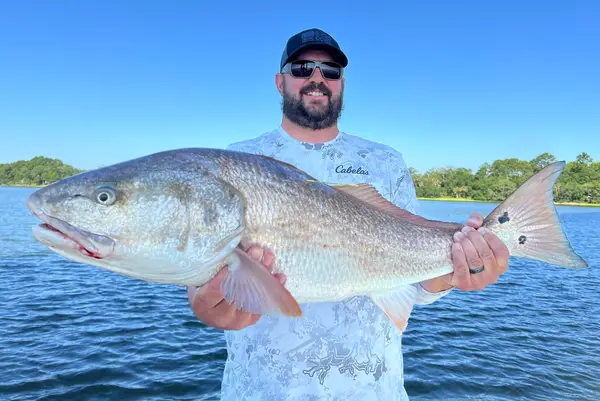
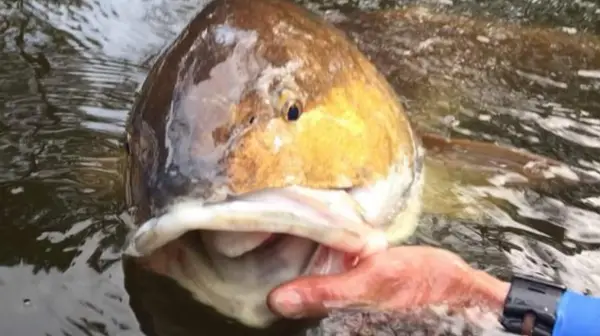
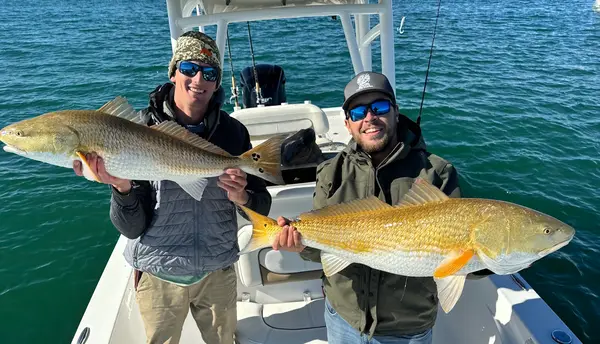
- Fall: bull-redfish run along the coast
- Winter: target deeper, warmer water on milder days
22 on the map
Tap a pin to open its profile.
Quick facts
- Fishing spots mapped
- 2,174
- Rivers mapped
- 130
- Guides listed
- 22
- Best season
- October through May
All listings
22 guides
across South Carolina
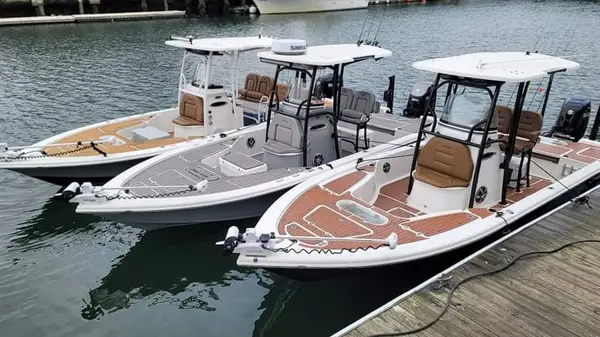
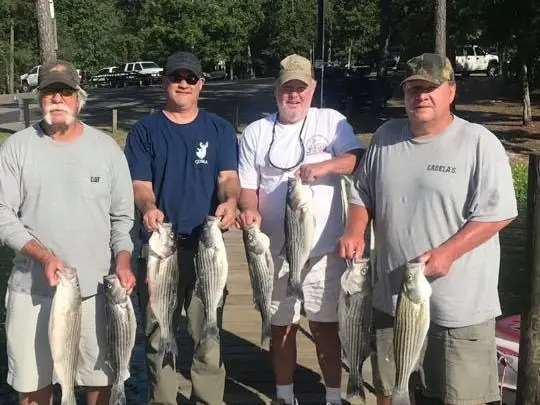
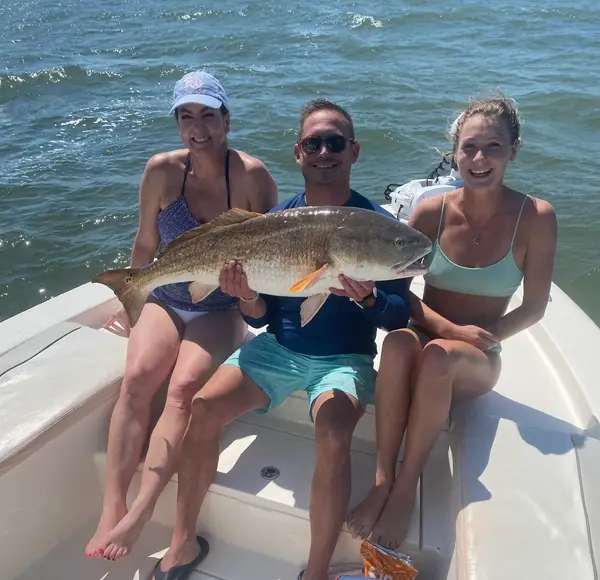
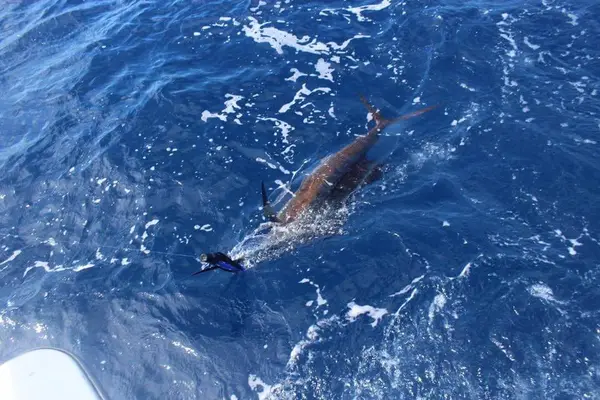
Plan your trip
Plan your trip to South Carolina
Fishing License Requirements
All anglers aged 16 and older, including non-residents, must possess a valid South Carolina fishing license. This applies to both freshwater and saltwater fishing. Guided trip operators typically do not provide individual licenses, so it is essential to purchase one in advance from the South Carolina Department of Natural Resources (SCDNR) or authorized vendors.
Freshwater vs. Saltwater Options
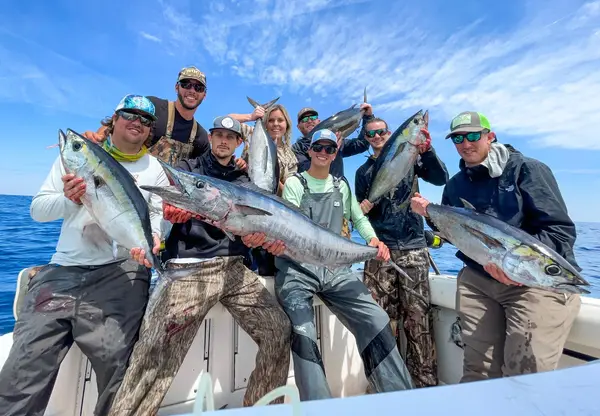
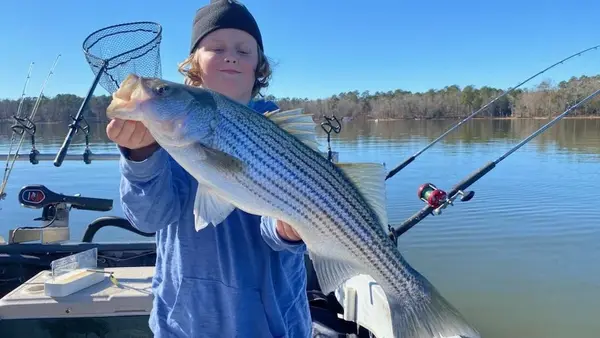
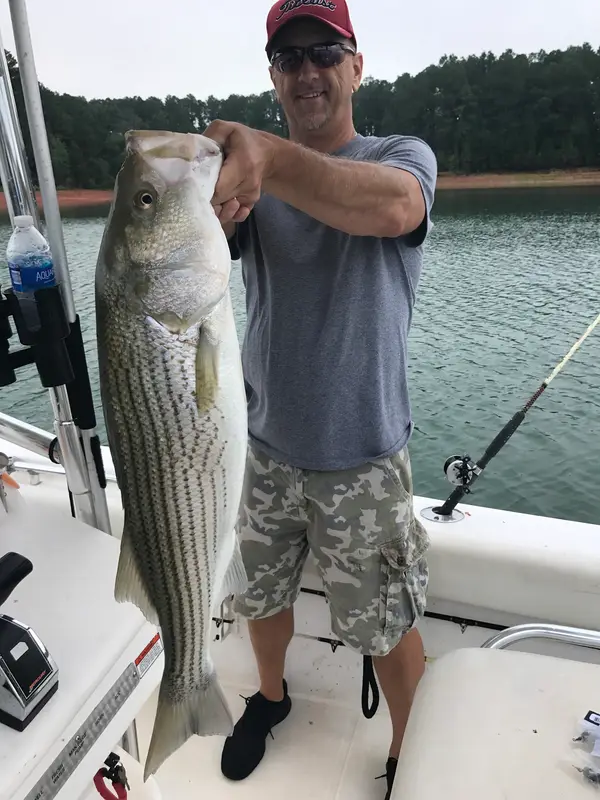
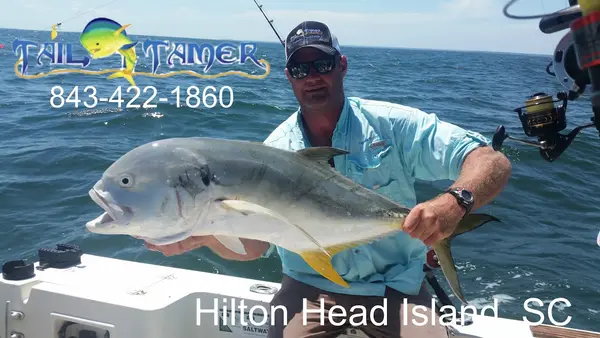
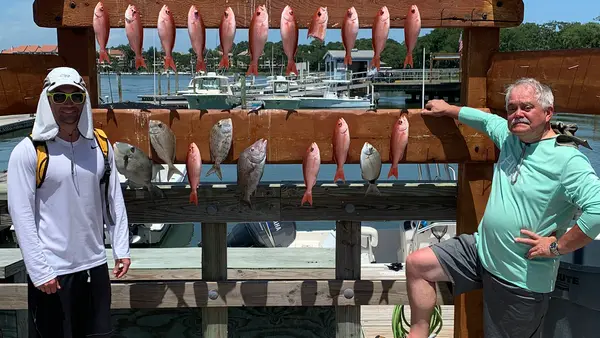
South Carolina offers distinct guided experiences for freshwater and saltwater. Freshwater trips primarily target largemouth bass, striped bass, crappie, and catfish in lakes and rivers. Saltwater trips are split between inshore (redfish, speckled trout, flounder in estuaries) and offshore (king mackerel, mahi-mahi, wahoo, snapper, grouper). Discuss your preference with the guide to ensure the right trip.
Peak Runs and Spawns
Understanding seasonal patterns enhances guided trips. Spring brings bass and crappie spawning in freshwater and the start of migratory runs offshore. Fall is renowned for the 'bull red' drum run in coastal estuaries and aggressive feeding by most species. Guides are experts in these cycles and will optimize your trip accordingly.
What a Guided Trip Typically Includes
Most guided fishing trips in South Carolina include all necessary fishing gear (rods, reels, tackle), bait, and safety equipment. The guide will also typically handle all vessel-related permits. Anglers should confirm what to bring, such as appropriate clothing, sunscreen, snacks, drinks, and a cooler for any keepers. Fish cleaning services may be offered or available for an additional fee.
Conservation and Regulations
South Carolina has specific size and bag limits for various species, which guides strictly adhere to. Many guides also practice catch-and-release, especially for certain trophy fish. Anglers should familiarize themselves with current regulations or rely on their guide's expertise to ensure compliance and promote sustainable fishing practices.
Confirm current requirements with the state agency before your trip. Rules and fees change every season.
South Carolina Fishing License
Any person 16 years of age or older must possess a valid South Carolina fishing license to fish in the state's fresh or saltwater. Non-resident licenses are available for various durations. It's required for freshwater guided trips, but passengers aboard a licensed for-hire saltwater charter are covered by the vessel's license and don't need their own. Confirm with your captain.
South Carolina DNRSaltwater Recreational Fishing License
South Carolina sells saltwater and freshwater fishing as separate licenses, so a freshwater license alone won't cover a saltwater trip, you need a standalone Saltwater Recreational Fishing License. Note that the state's Combination and Sportsman licenses bundle freshwater fishing but NOT saltwater. Verify the specific license type needed for your intended guided trip.
South Carolina DNRCatch, Size, and Bag Limits
South Carolina enforces specific catch, size, and bag limits for various freshwater and saltwater species. These regulations are designed to manage fish populations sustainably. Your licensed guide will be fully aware of and adhere to all current limits for the species targeted during your trip. Anglers should always defer to the guide's instructions regarding keeping fish.
- 01
Define Your Fishing Goals
Salt or fresh, inshore or offshore, redfish or striper, decide first. South Carolina offers all of it, and knowing what you're after cuts the field of guides down to the right handful.
- 02
Research and Select a Guide
Look for a guide who specializes in your water and your fish. Check experience, the boat, what's included, and what recent clients say, reputation is easy to verify and worth the effort.
- 03
Book Your Trip and Confirm Details
Talk directly with your guide about dates, pricing, inclusions, and the cancellation policy. Book early, peak-season calendars fill fast, especially on the coast in fall.
- 04
Secure Your Fishing License
Every angler 16 and up needs the right South Carolina license: freshwater, saltwater, or combination. Buy it online through the SCDNR or at an authorized retailer before trip day.
- 05
Prepare for Your Outing
Pack for the conditions: weather-appropriate clothing, sunscreen, sunglasses, a hat, snacks, and drinks. Any last questions, put them to your guide in the days before departure, not at the dock.
01Do I need a fishing license for a guided trip in South Carolina?
02What is typically included in a guided fishing trip?
03What should I bring on my guided fishing trip?
04What species can I expect to catch with a guide in South Carolina?
05Is tipping customary for fishing guides?
06What happens if the weather is bad on the day of my trip?
Free tools
Your free outdoor toolkit

Everything Map
Listings, trails, spots, clubs and public land on a single full-screen map. Switch layers on and off, then tap any point for the details.
Open Everything MapFishing Spots
Browse 24,783 named waters, then read the state stocking record: species, size, and when.
Open Fishing SpotsRiver Explorer
Explore named rivers from the USGS hydrography dataset. Filter by water type or whitewater class.
Open River ExplorerRoute Planner
Drop stops on a map and watch distance and drive time add up. Export a GPX or share the link.
Open Route PlannerFishing Clubs
Browse local clubs with meeting info and how to join, or start your own for free.
Open Fishing ClubsPhoto ID
Point your camera at whatever you found and get a structured identification. No signup.
Open Photo ID
Keep exploring