Fishing Guides · Connecticut
Fishing Guides in Connecticut
Cast 22 guides across Connecticut. Maps, hours, contact info, photos, and verified operator profiles, all in one place.
Long Island Sound coastline plus Litchfield Hills hardwoods.
About Connecticut
Best time to go
When to fish in Connecticut
May through October. Peak fall color late October.
- March–May: the spring spawn is prime time for big bass
- October–November: a strong fall feed-up
- Summer: fish dawn, dusk, and deeper water in the heat
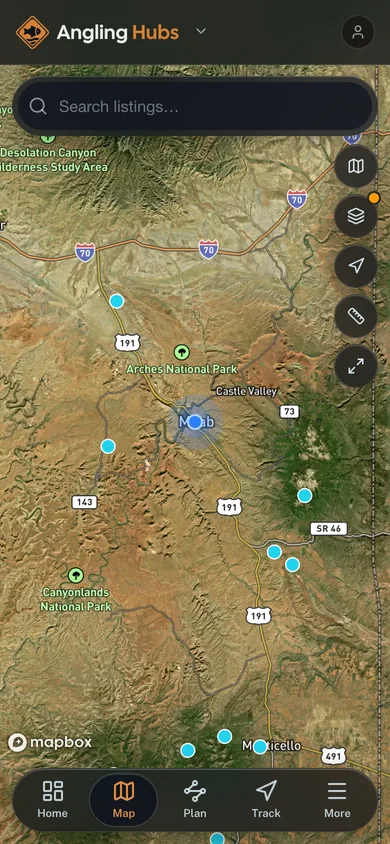
22 on the map
Tap a pin to open its profile.
Quick facts
- Fishing spots mapped
- 1,768
- Rivers mapped
- 94
- Guides listed
- 22
- Best season
- May through October
All listings
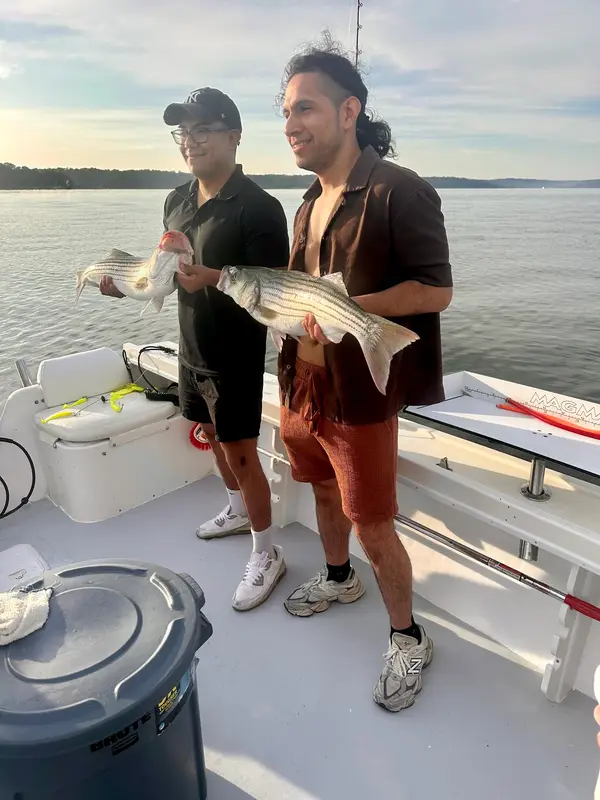
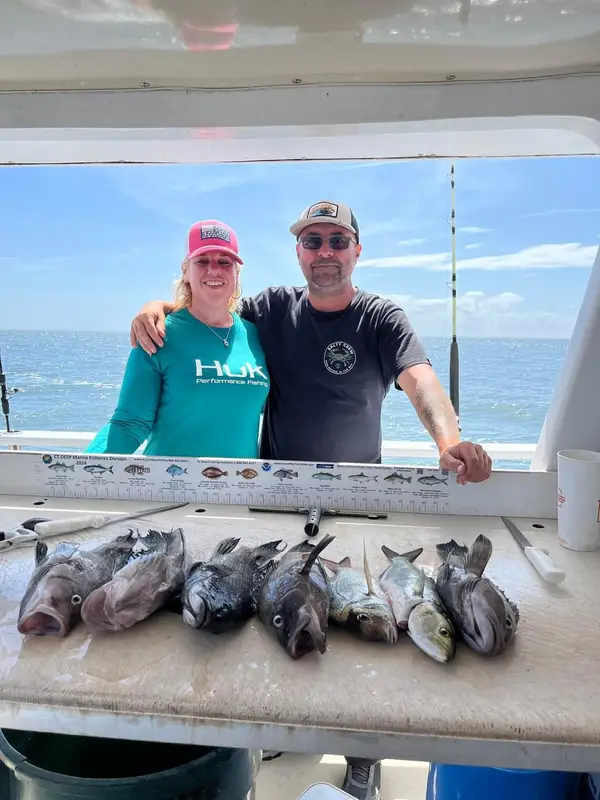
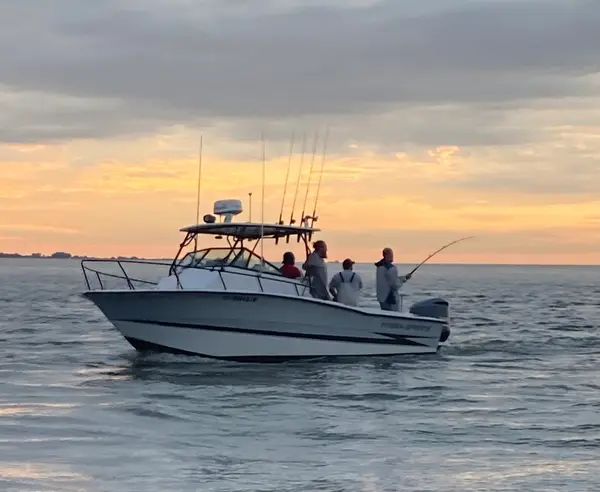
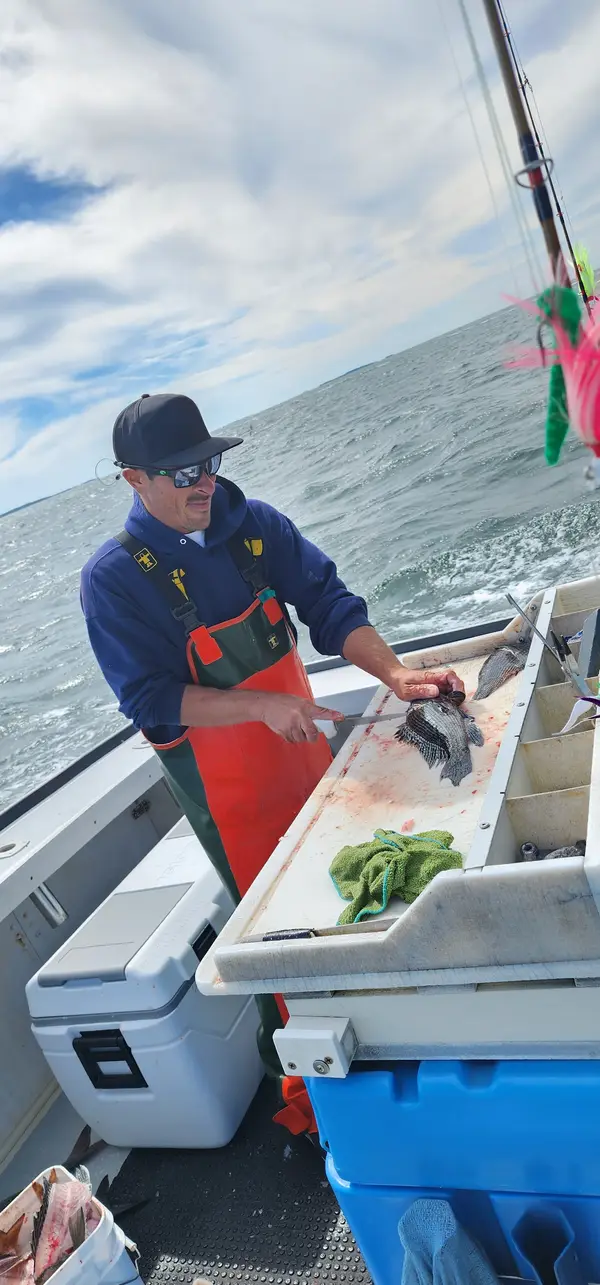
22 guides
across Connecticut
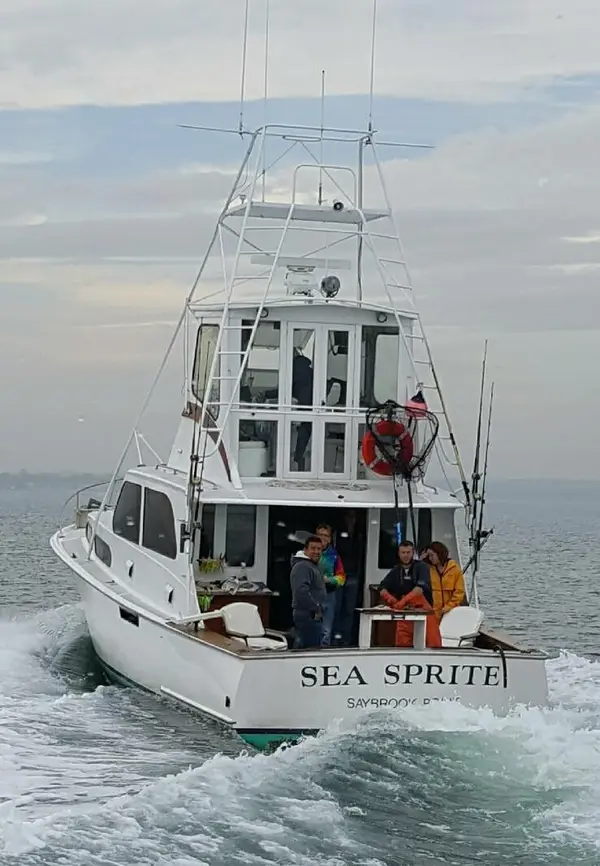
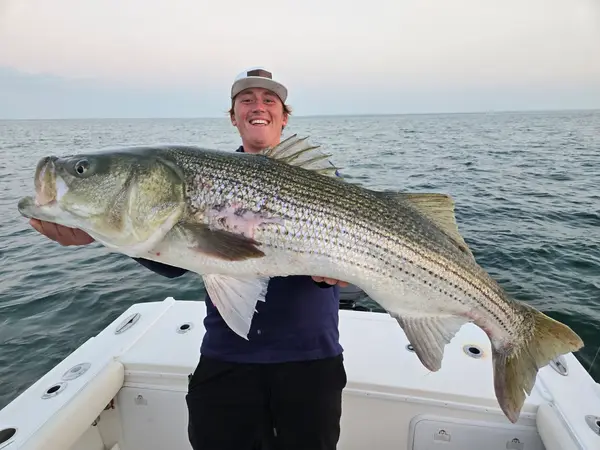
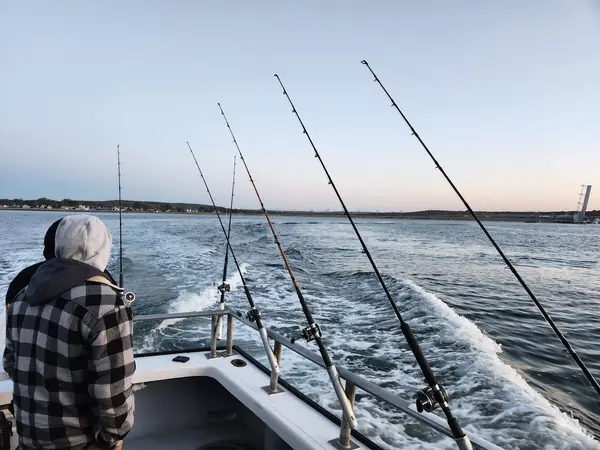
Plan your trip
Plan your trip to Connecticut
Fishing License Requirements
All anglers aged 16 and older require a Connecticut fishing license. Depending on your target species and location, you may need a freshwater, saltwater, or combination license. Guided trips generally require you to have your own valid license.
Target Species by Season
Spring sees trout and migratory striped bass. Summer is ideal for bluefish, fluke, and offshore species. Fall brings false albacore and continued striped bass action. Winter offers opportunities for holdover trout and offshore cod.
Freshwater vs. Saltwater Options
Connecticut offers both. Saltwater guides typically operate on Long Island Sound for species like striped bass, bluefish, and fluke. Freshwater guides focus on rivers like the Farmington and Housatonic for trout and bass, or various lakes for warmwater species.
What a Guided Trip Includes
Most guided fishing trips in Connecticut include all necessary fishing gear, bait, tackle, and safety equipment. Your guide will provide expert knowledge of local waters, techniques, and fish behavior. It is advisable to confirm specifics with your chosen operator.
Peak Runs and Spawns
Notable periods include the spring striped bass migration, the spring shad run on the Connecticut River, and the fall false albacore blitz along the coast. These times often represent the most productive and exciting fishing, making early booking essential.
Confirm current requirements with the state agency before your trip. Rules and fees change every season.
Connecticut Fishing License
Anyone 16 years of age or older must possess a valid Connecticut fishing license to fish in the state's inland or marine waters. Licenses can be purchased online through the CT DEEP website or from authorized vendors.
CT DEEPMarine Waters Fishing Registry
To fish Connecticut's marine waters, anglers 16 and older need a Marine Waters Fishing License (or the combined all-waters license), there is no separate registry to complete on top of it. Holding that license is itself what satisfies the federal National Saltwater Angler Registry. It's free for residents 65 and older and carries a modest fee for everyone else.
CT DEEPGeneral Fishing Regulations
All anglers must adhere to the state's fishing regulations regarding catch limits, size limits, and open seasons for specific species. These regulations vary by water body and species, and it is crucial to review the current CT Angler's Guide.
CT DEEP
- 01
1. Define Your Fishing Goals
Settle on the style (fly, spin, or offshore), the species you want most (trout, bass, stripers), and when you're free to go. Those choices point you straight at the right short list of guides.
- 02
2. Research and Select a Guide
Find guides who actually specialize in your species and water, not generalists. Check their experience, the boat if you're going salt, and what the trip includes. Talk to two or three before committing.
- 03
3. Book Your Trip in Advance
The good guides fill their calendars early, and weekend dates in prime season go first. Put down the deposit, get the confirmation, and read the cancellation policy before you need it.
- 04
4. Obtain Necessary Licenses and Permits
Buy your Connecticut license (freshwater, saltwater, or combination), and complete the Marine Waters Fishing Registry if you're fishing salt. Do it well ahead of the trip, not the night before.
- 05
5. Prepare for Your Trip
Touch base with your guide a few days out. Pack for the weather, bring sun protection, food, and water, and double-check the meeting spot and launch time. Show up early.
01Do I need a fishing license to go on a guided fishing trip in Connecticut?
02What types of fish can I expect to catch with a guide in Connecticut?
03What should I bring on a guided fishing trip in Connecticut?
04Are there different types of guided fishing trips available in Connecticut?
05What is the best time of year to book a guided fishing trip in Connecticut?
06Can children participate in guided fishing trips in Connecticut?
Free tools
Your free outdoor toolkit

Everything Map
Listings, trails, spots, clubs and public land on a single full-screen map. Switch layers on and off, then tap any point for the details.
Open Everything MapFishing Spots
Browse 24,783 named waters, then read the state stocking record: species, size, and when.
Open Fishing SpotsRiver Explorer
Explore named rivers from the USGS hydrography dataset. Filter by water type or whitewater class.
Open River ExplorerRoute Planner
Drop stops on a map and watch distance and drive time add up. Export a GPX or share the link.
Open Route PlannerFishing Clubs
Browse local clubs with meeting info and how to join, or start your own for free.
Open Fishing ClubsPhoto ID
Point your camera at whatever you found and get a structured identification. No signup.
Open Photo ID
Keep exploring