Skip to content
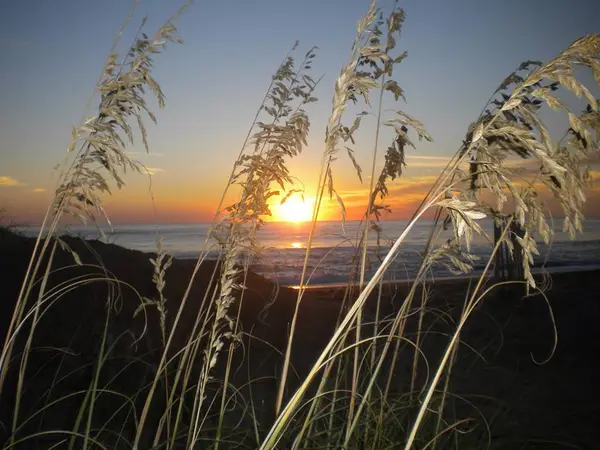
North Carolina fishing waters. Backdrop for the Angling Hubs North Carolina guide directory

Fishing Guides · North Carolina

Fishing Guides in North Carolina

Cast 68 guides across North Carolina. Maps, hours, contact info, photos, and verified operator profiles, all in one place.

Outer Banks, the Smokies, and the longest segment of the Blue Ridge.

Updated

All listings

68 guides in North Carolina
All states

Get listed free

Run a guide in North Carolina? Add it to Angling Hubs. Free, no commission.

Add your listing

On the map

Guide businesses, fishing spots, rivers & creeks and camping in North Carolina

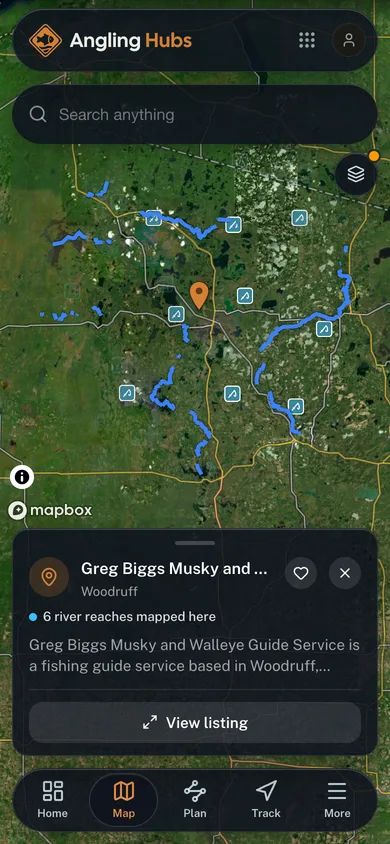
Everything we have mapped in North Carolina, on one map. Tap anything for its details.

Loads the full map of North Carolina. We leave it off by default so the page opens fast on mobile data.

Tap a water to pinpoint it on the map, then open it for the water type, county, and coordinates.

  • Details
  • Details
  • Details
  • Details
  • Details
  • Details
  • Details
  • Details

About North Carolina

Brook trout in an Appalachian headwater and blue marlin in the Gulf Stream, North Carolina holds both, and everything between. The state runs from cold mountain trout streams down through big Piedmont bass reservoirs to sounds, inlets, and open Atlantic water, and each of those zones supports its own guide fleet, its own species, and its own way of fishing. Few states let you change fisheries so completely without crossing a border.

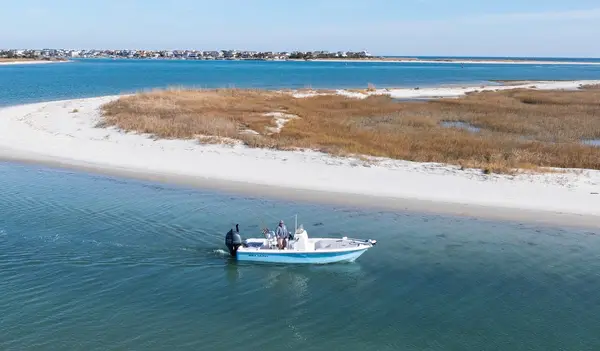
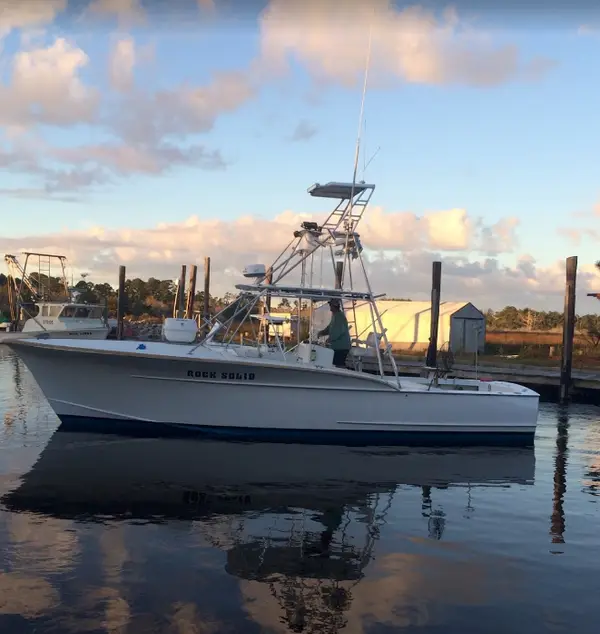
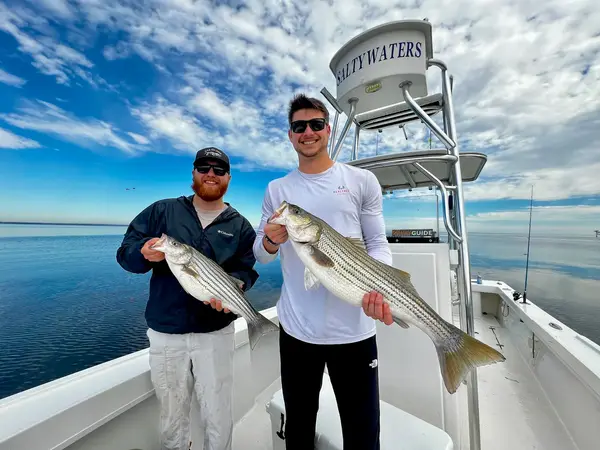
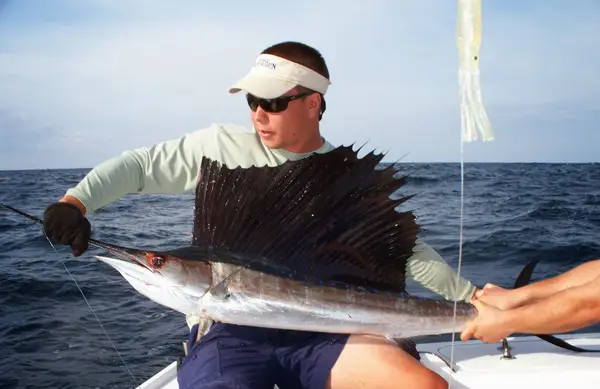
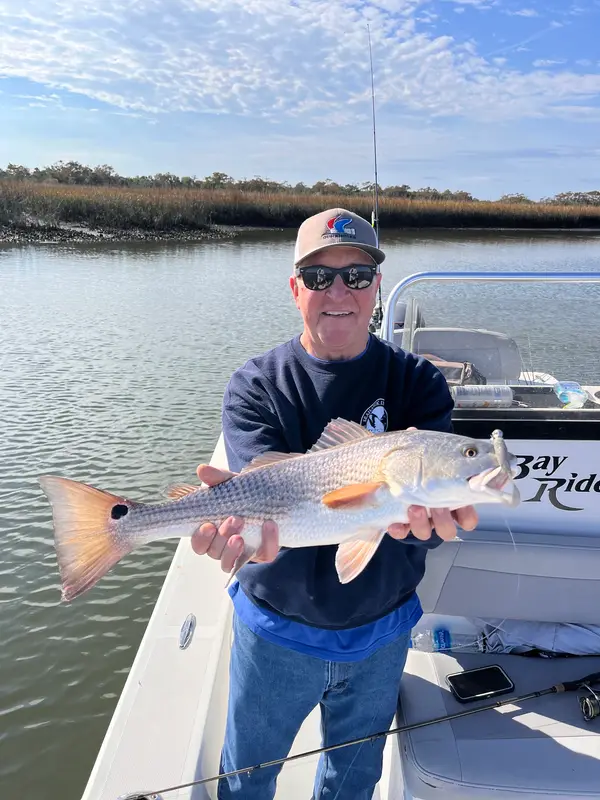
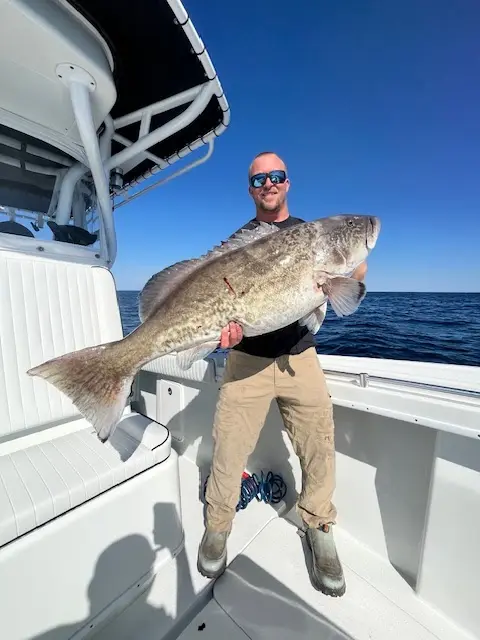
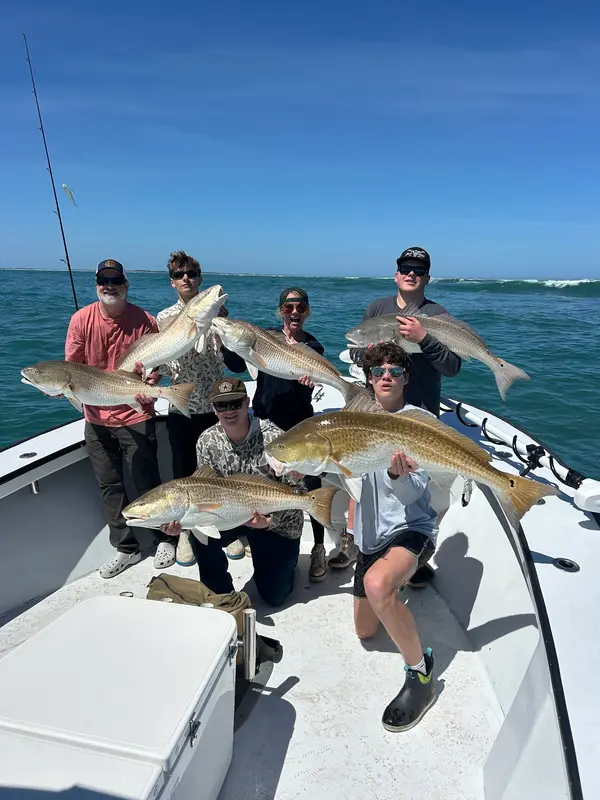
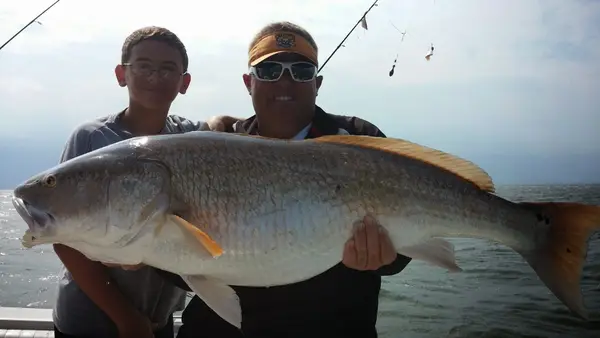
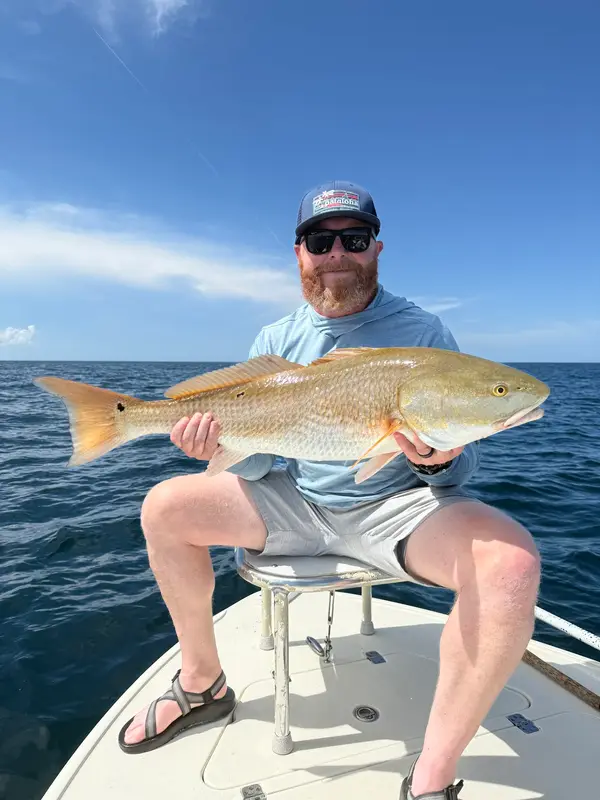
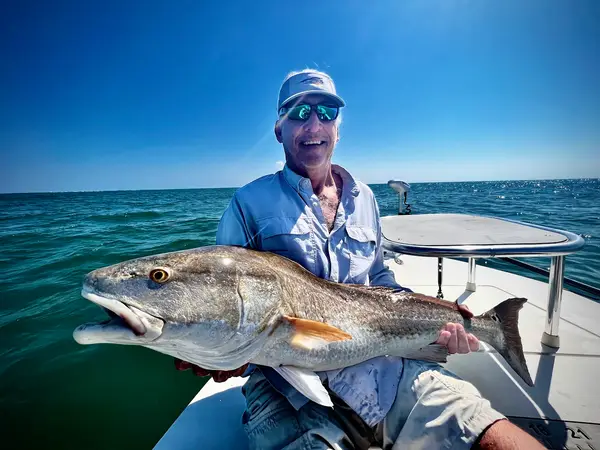
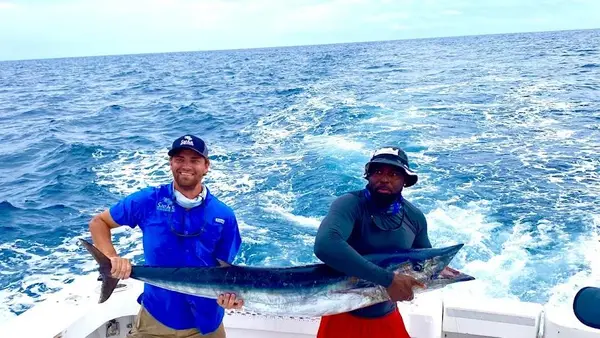
The coast is the headline act. The Outer Banks, Pamlico Sound, and Core Sound feed a saltwater charter scene that works red drum, speckled trout, flounder, and striped bass through a maze of sounds, inlets, and tidal creeks. Push offshore from Hatteras, Morehead City, or Oregon Inlet and the Gulf Stream brings tuna, mahi-mahi, wahoo, and marlin within reach of a day boat. The water here never sits still, and neither does the fishing, something is running nearly every month of the year.

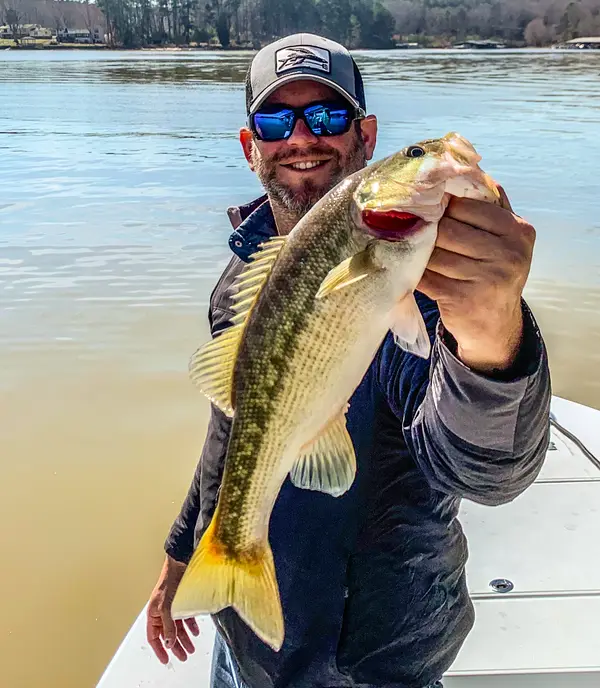
Inland, the fishing holds its own. The western mountains carry cold, clear trout water: guided fly trips for brook, brown, and rainbow trout on rivers like the Nantahala and French Broad. Drop east into the Piedmont and reservoirs like Lake Norman, Jordan Lake, and Lake Gaston take over, where guides chase largemouth bass, striped bass, and crappie across open water and submerged structure. Between the mountains and the sound, an angler could spend years working through it all.

When to fish in North Carolina

Peak Apr–May, Sep–Oct

Full season

Quick facts

Fishing spots mapped
2,727
Rivers mapped
1,386
Guides listed
68
Best season
April through November

Trip guide

Know before you go in North Carolina

Confirm current requirements with the agency that sets them before your trip. Rules and fees change every season.

  • North Carolina Fishing License

    All individuals 16 years of age or older must possess a valid North Carolina fishing license to fish in public waters. This applies to both residents and non-residents. On inland guided trips each angler needs their own license; on the coast, a for-hire captain may hold a blanket for-hire CRFL that covers everyone aboard. Specific licenses are required for freshwater, saltwater, or a combination of both.

  • Coastal Recreational Fishing License (CRFL)

    For saltwater fishing in North Carolina, including estuaries and coastal waters, a Coastal Recreational Fishing License (CRFL) is mandatory. This license is separate from a basic freshwater license and covers most common saltwater species. It can be purchased as an annual, 10-day, or lifetime option.

  • Trout Privilege License

    Fishing for trout in North Carolina's public mountain trout waters requires a North Carolina inland fishing license, trout-water access is now built into the standard inland (and unified/lifetime) licenses rather than sold as a separate 'trout privilege' add-on. A stand-alone Mountain Heritage Trout license is also offered for the designated Mountain Heritage Trout Waters.

  • Size and Creel Limits

    North Carolina enforces specific size and creel (bag) limits for various fish species to ensure sustainable populations. These regulations can vary by species, body of water, and season. Guided trip clients must adhere to these limits, and guides are responsible for informing clients of current rules. Always confirm current regulations with your guide or the state agencies.

01What types of fish can I expect to catch on a guided trip in North Carolina?
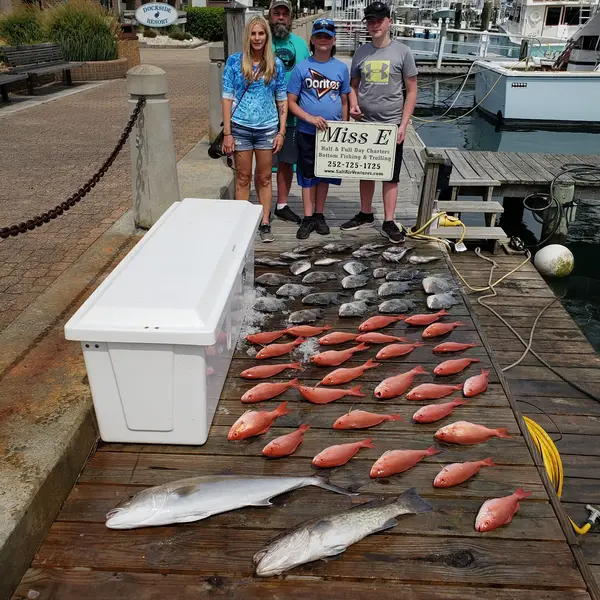
The list runs long. Saltwater trips target red drum, speckled trout, flounder, striped bass, bluefish, tuna, mahi-mahi, and marlin. Freshwater trips focus on largemouth bass, striped bass, crappie, catfish, and trout (brook, brown, and rainbow), in the mountains.
02Do I need to purchase a fishing license for a guided trip?
Usually. On inland (freshwater) guided trips, every angler 16 and older needs their own North Carolina license: a freshwater inland license, a saltwater Coastal Recreational Fishing License, or a combination. On saltwater charters it can differ: many for-hire captains carry a blanket for-hire CRFL that covers their passengers, so ask your guide whether you need your own before you buy.
03What should I bring on a guided fishing trip?
Dress for the weather and bring sunglasses, a hat, sunscreen, and any medications you need. Most anglers pack their own food and drinks. Rods, tackle, bait, and safety gear come from the guide, but ask for their specific list before the trip.
04Are guided fishing trips suitable for beginners or families with children?
Very much so. Plenty of North Carolina guides build their business around first-timers and families: they teach, they help, and they keep the day safe and fun. Tell them your group's experience level when you book so they can plan the right trip.
05What is the best time of year to book a guided fishing trip in North Carolina?
Match the season to the fish. Summer means offshore pelagics; fall brings the big coastal runs of striped bass and red drum; spring lights up the freshwater bite; winter still produces on the coast for certain species. Pick your target first, then the calendar follows.
06What is the difference between an inshore and offshore guided trip?
Inshore trips stay in the calm, shallow water (sounds, estuaries, coastal rivers), after red drum, flounder, and speckled trout. Offshore trips run to deep Atlantic water, often the Gulf Stream, for tuna, mahi-mahi, and marlin. Different boats, different tackle, very different days.