Booking your first offshore fishing trip is straightforward once you understand what operators actually offer and what to look for beyond price. Most first-timers approach it backwards, they search for "cheap charters" and end up on an uncomfortable boat with inexperienced crew, or they book a premium operator without understanding what the premium actually covers. This guide walks you through the real decisions: how to set a realistic budget, which operator questions matter most, and why your expectations on day one directly impact whether you'll ever go back.
The offshore charter market has consolidated over the past decade. You're no longer dealing with a dozen solo captains in every port: instead you're choosing between established businesses with 10-50 boats, smaller family outfits with 2-5, and charter networks that bundle multiple operators under one booking system. This shift means more transparency and consistency, but also more choice paralysis. We'll cut through that.
Understanding Offshore Charter Operations
Offshore charters segment into three operational tiers, each with different economics and crew expectations. The three-person boat out of a small coastal town usually runs with the owner as captain and one mate, no luxury, no backup. They're efficient because they have to be, and they move fast because there's no committee. The mid-size fleet operation (8-20 boats) has a captain, mate, and sometimes a deck hand per boat, with a dockside manager handling logistics. The large fleet (30+ boats) adds a boss mate who supervises multiple boat captains and a full administrative layer, slower decision-making, but more consistency and insurance depth.
None of these is "better", they're different value propositions. A small independent operator will give you direct access to the same captain for multi-day trips, aggressive fishing strategy, and the flexibility to change plans mid-week if conditions shift. A large fleet operator gives you redundancy (if your assigned boat has mechanical problems, you switch to another), consistent amenity standards, and accountability through a corporate structure. Small operators tend to fish harder; big operators tend to fish more comfortably. Know which trade-off matters to you before booking.
Timing, Budget & Type of Trip
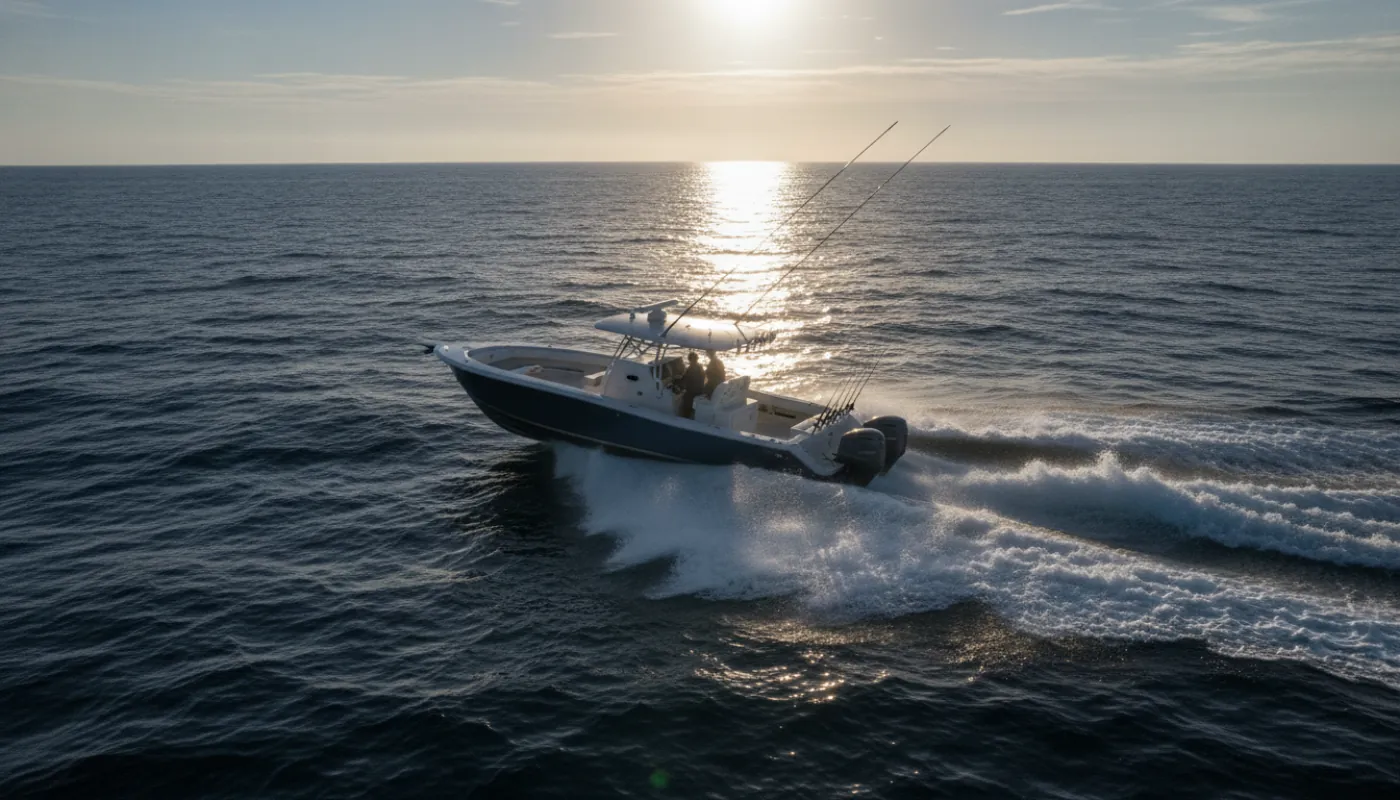
Offshore pricing splits two ways, and confusing them is how people misjudge cost. Private charters rent the whole boat (up to about six anglers): a half-day runs roughly $700-1,500 and a full offshore day about $1,800-2,800 for the boat, so per person that's often $300-500. Head (party) boats charge per person and are far cheaper, commonly $60-150 for a half-day. Long-range and overnight trips are usually priced per person per day ($400-800+ on a shared boat, more for premium or private). Figure out which model you're being quoted before you compare numbers. Multi-day trips are the efficient choice for serious anglers because the boat isn't repositioning each morning, you're fishing from first light on day two rather than leaving the dock. Budget for accommodations on the boat (typically bunk-style for budget operators, private cabin for premium ones, or you fly in/stay ashore), fuel surcharges (common in 2026 when diesel spikes), and tackle replacement (hooks, leaders, whole bunker) once you're offshore.
Peak season means high price and crowded boats. Most offshore regions have a sweet spot three weeks before and after peak: the fish are still there, the water is still fishable, and your charter is $300-500 cheaper per person. Off-season is much cheaper but the bite is inconsistent and sea state can be rougher. For your first trip, book during the published peak window even if it costs more, you want calm water and active fish, not a fight against conditions.
The trip type matters too. A "bottom fishing" charter is stationary, predictable, and easier on first-timers (you're dropping to structure 200-400 feet down and catching grouper and snapper). A "pelagic" or "deep drop" charter chases offshore structure and can fish 600-1,500 feet down for tilefish and other deep-water species, it's more fishing-intensive and more seasickness-prone. A "wreck fishing" charter hits deliberately-sunk shipwrecks and is a middle ground: exciting, visual, but less extreme sea conditions than pure pelagic.
Vetting & Booking a Reputable Operator
Call the operator directly, not the booking website, not their social media, directly. A real question: "I'm a first-timer on an overnight trip. What's your typical day look like, and what should I bring?" Their answer tells you everything. A good operator will describe the schedule, mention seasickness medication proactively, tell you the galley situation (coffee/snacks/meals included?), and ask about your fishing experience. A mediocre operator will say "bring whatever you want" and rush off the phone.
Check the boat's Coast Guard record on the USCG's public Port State Information eXchange (PSIX), a free vessel lookup by name or official number, not because a single violation is a dealbreaker, but because zero maintenance issues on a 20-year-old boat is a red flag, it means either they hide incidents or they don't fish hard. Older boats are fine; negligent maintenance is not. Ask the operator directly about their safety record and listen to how they answer. Defensive, evasive, or "we've never had an incident in 30 years" is a tell. Straightforward acknowledgment of past incidents and how they fixed them is trustworthy.
Read recent reviews (past 6-12 months, not year-old testimonials) on independent platforms, but weight them correctly. One bad review from someone expecting resort-level comfort on a fishing boat isn't evidence of a bad operator. Three recent reviews complaining about broken equipment, late departures, or seasick-inducing rough-water decisions is. Ask the operator for contact information of anglers who've done similar trips, they'll likely give you phone numbers of their most enthusiastic customers, but even that filtered list tells you something. A good operator has dozens of repeat clients and will proudly share them.
Pre-Trip Preparation & Expectations
Two weeks before departure, send the operator an email confirming what you're bringing and ask what they actually need you to contribute. Most will provide rods, reels, and terminal tackle; you bring sunscreen, medication, a headlamp, and sea-sickness prevention (Dramamine, ginger, pressure bands, try them before the trip). A quality operator will send you a detailed packing list. A weak one will say "whatever." Pack half of what you think you need; the boat is cramped.
Confirm the exact meeting time and location (not just "the dock," which can mean 15 different spots). Ask if there's a fuel surcharge, a tip convention (typically 15-20% of the total trip price, split among the crew, though this varies by region), or a release fee if you want photos or tournament results certified. Ask about cancellation policy, weather cancellations are normal, and a good operator will rebooking you on the next suitable day at no cost; cancellations with 7+ days' notice should refund you; cancellations within 7 days may be forfeit.
Get motion-sickness prevention in your system early. If you're prone to seasickness, take medication the night before and the morning of departure, not when you already feel sick. The difference between a miserable trip and a tolerable one is often just planning this correctly. Eat a solid breakfast, avoid alcohol the night before, and stay hydrated. On your first overnight trip, expect to sleep poorly: the boat rocks, the galley is loud, and adrenaline keeps you wake. It's normal and it gets easier.
What to Expect on Your First Offshore Trip
Departure is usually 5-6 a.m. The crew will brief you on safety (life jacket location, emergency procedures, bathroom location), show you where to stow gear, and assign you to a fishing spot along the rail. First-timers often get paired with experienced anglers so you can learn by observation. The boat will head offshore, sometimes 20 miles, sometimes 60, depending on where the fish are. This run takes 30 minutes to three hours depending on how far out you're going. Eat breakfast, drink water, and stay outside in fresh air, sitting in the cabin staring at the sea is the fastest route to nausea.
Fishing typically starts around 7-8 a.m. You'll make a series of stops, drift over structure or bottom, and catch fish for 2-3 hours before the bite slows. Then you move to another location. The pattern repeats. A "good" trip means you catch fish on most stops; a "great" trip means everyone is regularly catching keeper-size fish; a "bad" trip means long stretches with nothing. On your first trip, the odds of any of these are real, but a good operator will have done the homework to put you on something.
Your first night on a multi-day trip, eat dinner (the galley crew or bring takeout), shower if there's a freshwater system (some boats have it, some don't. Ask beforehand), and try to sleep despite the motion. Day two starts the same way. By day three, you'll have found your rhythm, adjusted to the motion, and stopped thinking about the land. Most first-timers' worst moment is around 2 p.m. on day two: the novelty has worn off, you're tired, your back hurts, and you're wondering if coming was a mistake. That moment passes. Push through it. By evening, you'll be glad you did.